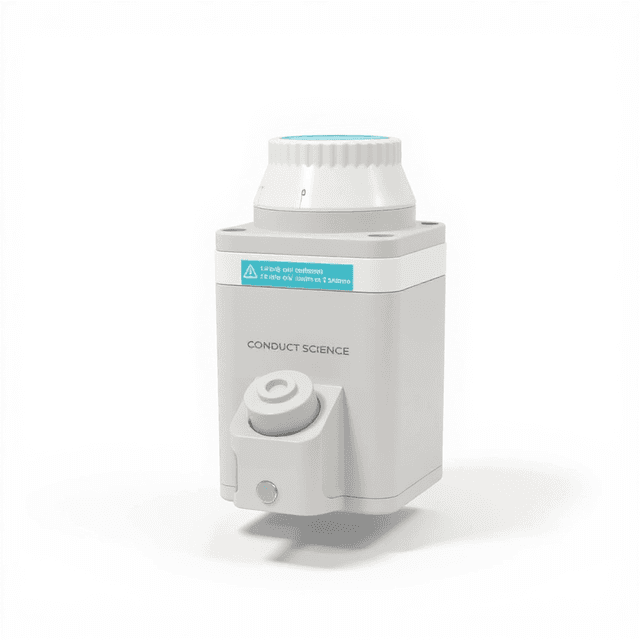
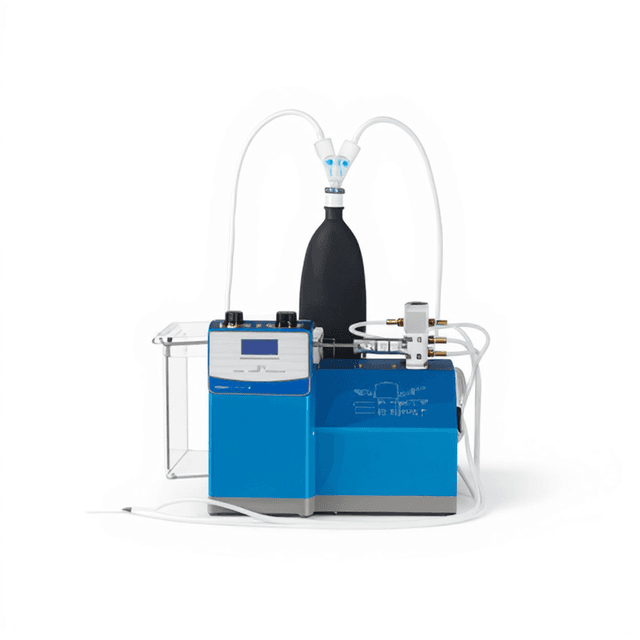
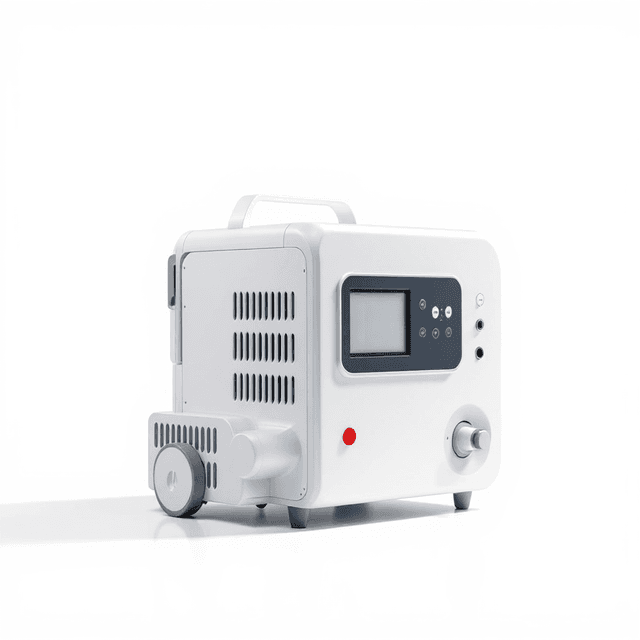
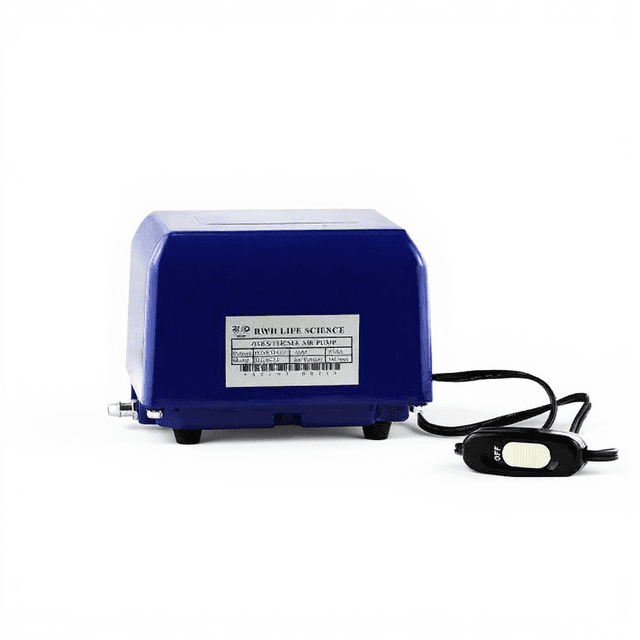
Small Animal Anesthesia Machine (TAIJI)
The TAIJI is a compact, ready-to-use small animal anesthesia machine with dual-channel control. Supports optional five-channel passive configuration for simultaneous multi-animal procedures. Compatible with isoflurane and sevoflurane. Ideal for ro...
| Anesthetic Agent | Isoflurane, Sevoflurane |
| animal_weight_limit | 7kg |
| vaporizer_system | flexible and accurate vaporizer system |
| concentration_stability | stable anesthetic concentration, independent of flow, temperature, or pressure changes |
| channel_design | dual-channel design |
| channel_operation | independent operation of chamber and mask channels |

Conduct Science offers the TAIJI Small Animal Anesthesia Machine — a compact, ready-to-use system designed for laboratories performing rodent surgeries and small animal procedures. Featured with compact design, flexible operation, and a high-accuracy vaporizer, the TAIJI is ideal for small animals up to 7 kg, including rats, mice, hamsters, guinea pigs, rabbits, and cats.
Specifications
| Model | Product Description | Remarks |
|---|---|---|
| TAIJI-IE | Compact Small Animal Anesthesia Machine — Isoflurane, Easy Fill, 0–4 L/min | Contains connection tubing for mask & induction chamber |
| TAIJI-SE | Compact Small Animal Anesthesia Machine — Sevoflurane, Easy Fill, 0–4 L/min | Contains connection tubing for mask & induction chamber |
Technical Parameters
| Technical Parameters | Specifications |
|---|---|
| Flowmeter specifications | 0–4 L/min |
| Concentration Range | Isoflurane: 0–5%; Sevoflurane: 0–8% |
| Concentration Output Accuracy | ±0.1% (0–1%); ±0.15% (>1%) |
| Vaporizer Capacity | ≥120 mL |
| Operating Temperature Range | 10–35 °C |
| Size | 260 × 220 × 300 mm |
Principle
The TAIJI operates with a flexible and accurate vaporizer system that maintains a stable anesthetic concentration, independent of flow, temperature, or pressure changes. Its dual-channel design allows for independent operation of chamber and mask channels, enhancing experimental efficiency.
Features
- Integrated design and compact structure.
- Each vaporizer is independently calibrated, with reliable quality and stable concentration output independent of changes in flow, temperature, and pressure.
- Inclined oxygen flush button design for ergonomic operation.
- Easy Fill dosing method with strong sealing performance.
- Optimized interface connections for smooth operation.
- Dual-channel system: independent switches for chamber and mask channels to improve experimental efficiency.
Five-Channel Passive Configuration
The TAIJI supports an optional five-channel passive anesthesia configuration for simultaneous multi-animal procedures. This upgrade allows researchers to deliver anesthesia to up to five animals at once using individual mask channels with independent flow control.
Required Accessories for Five-Channel Setup
| Component | Model | Description | Qty |
|---|---|---|---|
| Five-Channel Flowmeter | R510-07 | Range: 1 L/min per channel | 1 |
| Five-Channel Facepiece Exhaust Outlet Connector | R-FM-EOC | Collects exhaust from all five mask channels | 1 |
| Silicone Tubing | R-ST-60A | ID: 6.0 mm, OD: 10.0 mm, 1 meter per piece | As needed |
| Corrugated Tube | R-CT-18 | ID: 22.0 mm, connects exhaust connector to filter canister | 1 |
Connection Guide
- Flowmeter to Masks: Use silicone tubing (R-ST-60A, ID 6.0 mm, OD 10.0 mm) to connect the five-channel flowmeter to each anesthesia mask. Select the quantity based on the required tubing length — for example, order 2 pieces per channel if 2 meters of tubing is needed.
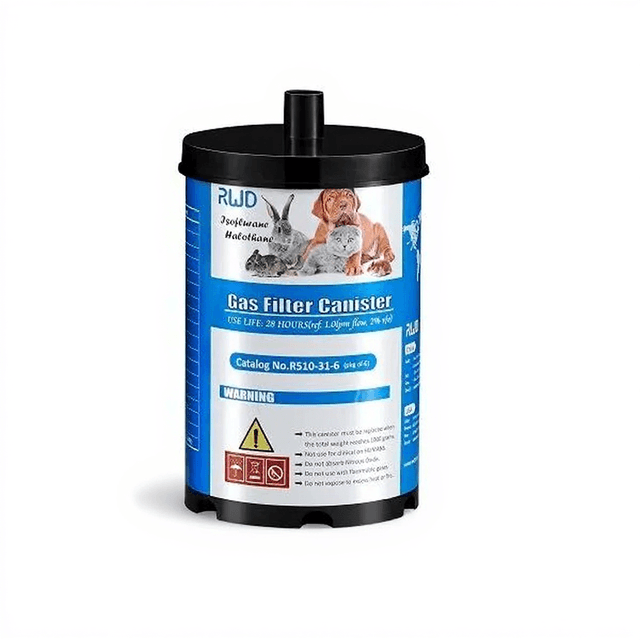
- Exhaust Gas Treatment: Exhaust gas from all five masks is collected via the five-channel facepiece exhaust outlet connector (R-FM-EOC) and routed to the gas filter canister through a corrugated tube (R-CT-18, ID 22.0 mm).
Applications
- Applicable to all kinds of small animal experiments.
- Injection experiments: virus, cells, drugs, etc.
- Live imaging: MRI, CT, X-ray, and other imaging.
- Physiological research: optogenetics, electrophysiology, calcium imaging, microdialysis, etc.
- Model development: MCAO model, spinal cord injury, myocardial ischemia, etc.
- Other: animal euthanasia, eye blood collection, tumor size measurement, etc.
Summary
- Compact Design: Ideal for small animals up to 7 kg, including rats, mice, and guinea pigs.
- High Accuracy: Vaporizer provides stable anesthetic concentration regardless of flow, temperature, or pressure changes.
- Dual Channels: Independent operation for chamber and mask channels enhances experimental efficiency.
- Five-Channel Upgrade: Optional passive five-channel configuration enables simultaneous multi-animal anesthesia delivery.
- Easy Operation: Oxygen flush button and Easy Fill method simplify daily use.
- Widely Used: Installed in over 10,000 research institutions worldwide, including Yale and Harvard.
Manufacturer Source: https://www.rwdstco.com/product-item/taiji-small-anesthesia-machine/
How It Works
The TAIJI anesthesia machine operates through calibrated vaporization of volatile anesthetic agents mixed with carrier gas flow. The vaporizer chamber contains liquid anesthetic (isoflurane or sevoflurane) maintained at controlled temperature and pressure. As carrier gas passes through the vaporizer, it becomes saturated with anesthetic vapor at a concentration determined by the vaporizer setting and flow rate.
The dual-channel design allows simultaneous operation of induction chamber and direct mask delivery pathways. Fresh gas flow enters the system through calibrated flowmeters (0-4 L/min range), passes through the vaporizer assembly, and delivers the anesthetic mixture to either the induction chamber for initial anesthesia or directly to face masks for maintenance anesthesia. Temperature compensation mechanisms maintain stable output concentrations despite ambient temperature variations within the 10-35°C operating range.
Concentration stability is achieved through pressure-compensated vaporizer design that maintains consistent vapor pressure ratios regardless of downstream pressure changes or flow rate fluctuations, ensuring reliable anesthetic delivery throughout surgical procedures.
Features & Benefits
Dosing method
- Easy fill
Anesthetic Agent
- Isoflurane
- Sevoflurane
animal_weight_limit
- 7kg
vaporizer_system
- flexible and accurate vaporizer system
concentration_stability
- stable anesthetic concentration, independent of flow, temperature, or pressure changes
channel_design
- dual-channel design
channel_operation
- independent operation of chamber and mask channels
dosing_method
- Easy Fill
sealing_performance
- strong sealing performance
oxygen_flush_button
- inclined design
model
- R500
Anesthetic Agent
- Isoflurane
- Sevoflurane
Automation Level
- semi-automated
Accuracy
- high accuracy vaporizer
Species
- Cat
- Hamster
- Rabbit
- Mouse
- Rat
- Guinea pig
Brand
- RWD
Research Domain
- Addiction Research
- Aging Research
- Behavioral Pharmacology
- Cancer Research
- Cardiovascular
- Developmental Biology
- Neurodegeneration
- Neuroscience
- Pain Research
- Toxicology
Weight
- 22.05 kg
Dimensions
- L: 34.0 mm
- W: 39.0 mm
- H: 33.0 mm
Comparison Guide
| Feature | This Product | Typical Alternative | Advantage |
|---|---|---|---|
| Flow Rate Range | 0-4 L/min continuously adjustable | Entry-level models often limited to 1-2 L/min maximum | Accommodates wider range of animal sizes and experimental protocols requiring different flow rates. |
| Concentration Accuracy | ±0.1% (0-1%) and ±0.15% (>1%) | Basic systems may offer ±0.5% or unspecified accuracy | Provides precise anesthetic dosing essential for reproducible physiological responses and animal welfare. |
| Dual-Channel Operation | Independent chamber and mask circuits | Single-channel systems require manual switching | Streamlines anesthetic protocols by eliminating connection changes between induction and maintenance phases. |
| Multi-Agent Compatibility | Supports both isoflurane (0-5%) and sevoflurane (0-8%) | Some units limited to single anesthetic agent | Enables protocol optimization based on animal species, procedure duration, and experimental requirements. |
| Temperature Compensation | Stable operation 10-35°C with concentration independence | Basic vaporizers may lack temperature compensation | Maintains consistent anesthetic delivery despite laboratory temperature variations throughout the day. |
| Vaporizer Capacity | ≥120 ml minimum capacity | Smaller units often have 50-100 ml capacity | Reduces refilling frequency during extended procedures and multi-animal experiments. |
The TAIJI anesthesia machine combines precision vaporizer technology with dual-channel flexibility in a compact laboratory-suitable design. Key strengths include calibrated concentration accuracy, multi-agent compatibility, and temperature-compensated operation for reliable anesthetic delivery across diverse experimental protocols.
Practical Tips
Verify vaporizer output concentration using an anesthetic agent analyzer annually or after switching between isoflurane and sevoflurane.
Why: Ensures accurate anesthetic delivery and maintains experimental reproducibility.
Clean vaporizer chamber thoroughly when switching between different anesthetic agents to prevent cross-contamination.
Why: Prevents unpredictable anesthetic concentrations that could compromise animal safety.
Pre-oxygenate animals for 2-3 minutes before introducing anesthetic agent to improve induction quality.
Why: Enhances oxygen saturation and provides smoother anesthetic transition with reduced stress responses.
Always connect to an appropriate scavenging system to capture waste anesthetic gases.
Why: Prevents atmospheric contamination and maintains occupational safety standards in laboratory environments.
If concentration output appears unstable, check for leaks in the vaporizer seals and connection tubing.
Why: Gas leaks can cause concentration drift and compromise both animal safety and experimental reproducibility.
Document flow rate, concentration settings, and ambient temperature for each procedure to enable protocol replication.
Why: Facilitates experimental reproducibility and troubleshooting of unexpected physiological responses.
Allow the system to reach thermal equilibrium for 15-20 minutes after startup before beginning procedures.
Why: Temperature stabilization ensures accurate vaporizer performance and consistent anesthetic concentrations.
Replace connection tubing and seals annually or if signs of anesthetic agent degradation appear.
Why: Prevents material degradation that could introduce contaminants or cause system leaks.
Setup Guide
What’s in the Box
- TAIJI anesthesia machine main unit
- Connection tubing for mask delivery
- Connection tubing for induction chamber
- Face masks (multiple sizes - typical)
- User manual and technical documentation
- Power cable
- Calibration certificate (typical)
Warranty
ConductScience provides standard manufacturer warranty coverage with technical support for calibration verification and operational guidance. Consult product documentation for specific warranty terms and service intervals.
Compliance
What is the accuracy of anesthetic concentration delivery across the full operating range?
The vaporizer provides ±0.1% accuracy for concentrations 0-1% and ±0.15% accuracy for concentrations >1%, maintaining stable output independent of flow rate, temperature, or pressure variations.
Can the system deliver both isoflurane and sevoflurane, and what are the concentration ranges?
Yes, the system supports isoflurane delivery from 0-5% and sevoflurane from 0-8%. The vaporizer requires cleaning and recalibration when switching between different anesthetic agents.
How does the dual-channel design improve experimental workflow?
The dual-channel system allows independent operation of induction chamber and mask circuits, enabling rapid anesthetic induction in the chamber followed by maintenance via face mask without disconnecting or reconfiguring the gas delivery system.
What is the maximum animal weight this system can accommodate?
The system is designed for laboratory animals up to 7 kg body weight, covering the full range from small rodents (mice, rats) to larger species (rabbits, cats) with appropriate flow rate adjustments.
How frequently does the vaporizer require refilling during extended procedures?
With a minimum 120 ml vaporizer capacity, refilling frequency depends on flow rate and concentration settings. At typical settings (2 L/min, 2% concentration), the system provides several hours of operation before requiring refill.
What environmental conditions are required for stable operation?
The system operates reliably within 10-35°C ambient temperature range. Temperature compensation maintains stable anesthetic concentrations despite environmental variations within this operating window.
Is the system compatible with standard laboratory gas scavenging systems?
Yes, the system includes connection points for waste gas scavenging systems required in laboratory environments to prevent atmospheric contamination and maintain occupational safety standards.
How does this compare to syringe-based injection anesthesia methods?
Inhalation anesthesia provides rapid onset and offset, precise depth control through concentration adjustment, and eliminates injection stress. It offers better physiological stability and easier anesthetic plane monitoring compared to injectable protocols.
Is a 4-channel flowmeter available for the TAIJI system?
No. The TAIJI system is available with a 2-channel or 5-channel flowmeter only.
Can I use the 5-channel flowmeter with only 4 outputs active?
Yes. Each output is independently configurable. Unused channels remain closed. Each active output can be set to deliver the same or a different volume of gas.
Have a question about this product?
Accessories
Enhance your setup with compatible accessories
Frequently Bought Together
Upgrade Options