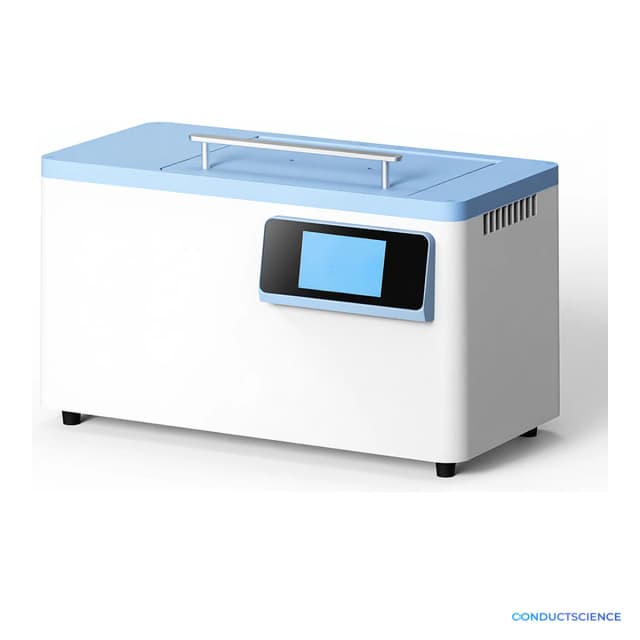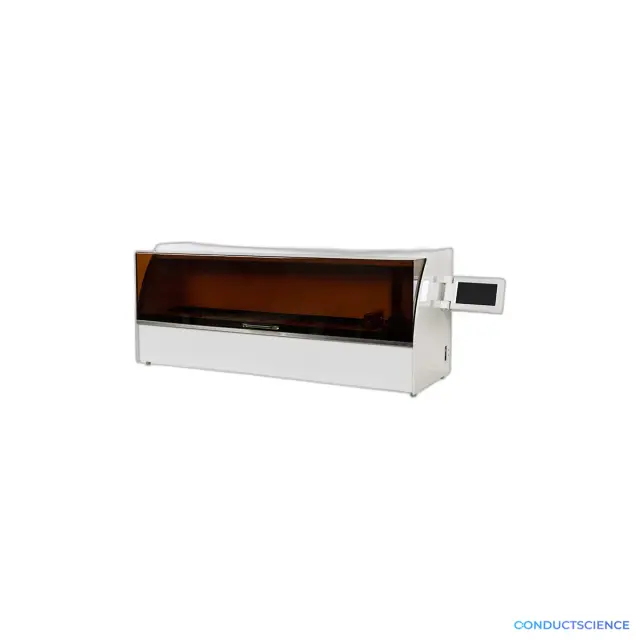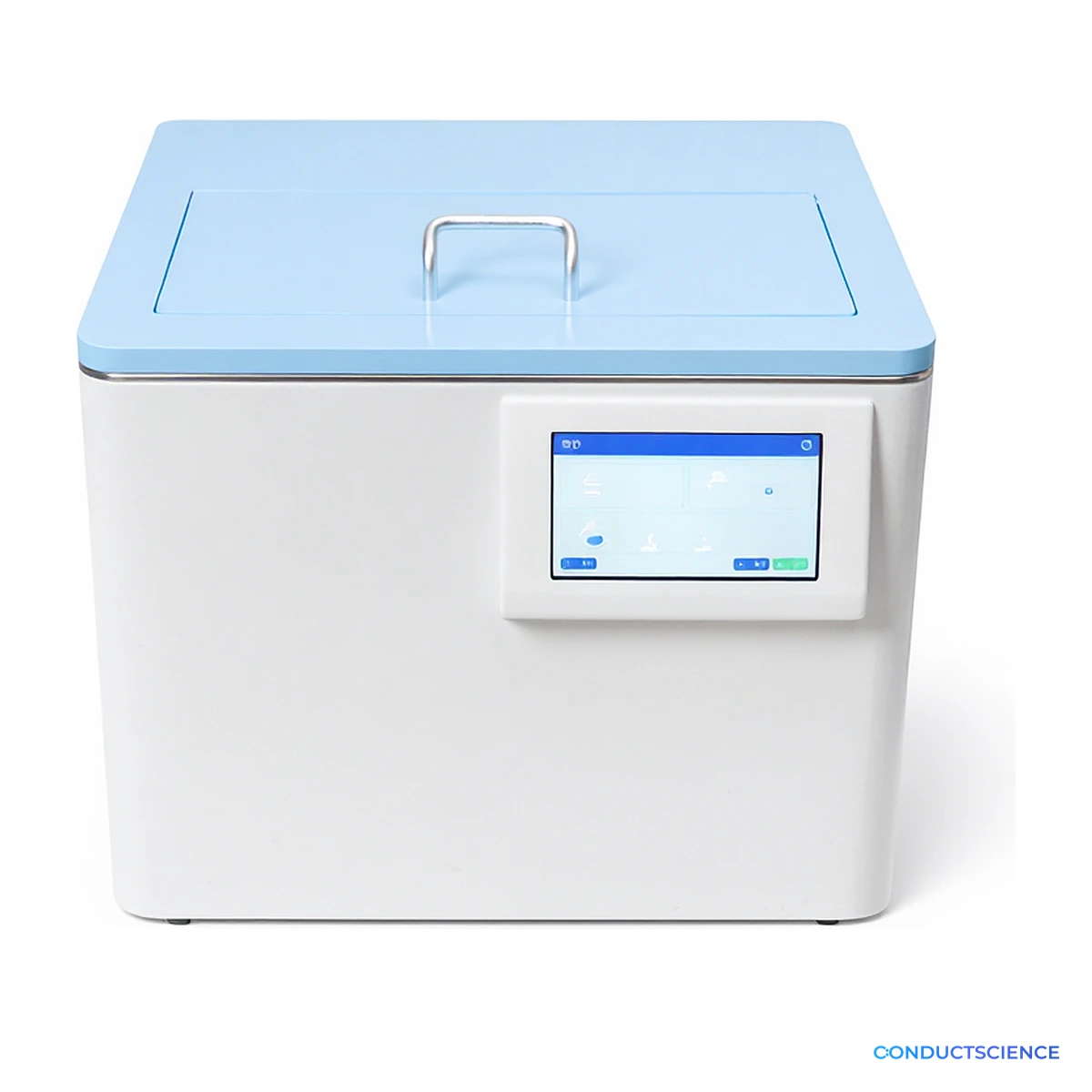
Low-Temperature Ultrasonic Bone Decalcification System
Decalcify bone and teeth at temperatures as low as 4 °C, so enzyme and protein activity survive for stains such as osteoblast alkaline phosphatase (ALP).
Samples stay in their own centrifuge tubes in a 5 L or 10 L temperature-controlled chamber, with three ultrasonic power levels, timed runs of up to 99 days, and automatic shutdown when the program ends.

Louise Corscadden, PhD
Director of Science · ConductScience
Ask Louise about Low-Temperature Ultrasonic Bone Decalcification System fit, setup, configuration, or quote prep.
Already working with us? Sign in to connect this with My Scientist.
Key Specifications
Full details →- Temperature Range
- 4 to 60 °C (5 L), 4 to 40 °C (10 L)
- Ultrasonic Power
- Low, Medium, High
- Timer Range
- 1 min to 99 days 24 h 59 min
- Temperature Uniformity
- Within ±1 °C across the module
- Sample Format
- Centrifuge tubes in an adapter plate
- Power/Voltage
- 220V
Bone and teeth must be decalcified before they can be sectioned, and labs usually trade time against tissue quality. Room-temperature EDTA protects antigens but can take weeks, while faster acid or heated protocols destroy the enzyme activity that stains such as alkaline phosphatase (ALP) depend on. This decalcification system is built to keep both: it holds samples at a controlled low temperature, as low as 4 °C, while ultrasonic energy speeds the exchange of decalcifying solution in the tissue. Osteoblast ALP staining, which often fails on conventionally decalcified tissue because the enzyme has been inactivated, gives clear results on samples decalcified this way.
Each sample goes into a centrifuge tube with its own decalcification solution, and an adapter plate holds the tubes in the chamber. Choose the plate that matches your tubes: the 5 L model takes twelve 5 mL tubes, twenty 10 or 15 mL tubes, or twelve 50 mL tubes, and the 10 L model takes thirty-five 15 mL tubes, fifteen 50 mL tubes, or eight 100 mL tubes. Because every tube carries only the solution its sample needs (EDTA protocols typically call for at least 20 times the sample volume), you use less reagent than with jars on a shaker.
Set the temperature, run time, and ultrasonic power (low, medium, or high, with medium suited to most samples) on the front display. The 5 L model runs from 4 to 60 °C and the 10 L model from 4 to 40 °C, and both hold temperature uniform to within ±1 °C across the module. The screen shows set and actual temperature side by side, along with programmed and elapsed time, and the unit shuts itself off when the program ends.
Reference decalcification times with EDTA
- Mouse femur, tibia, humerus, ulna, and radius: 2 to 3 days, compared with 7 to 10 days on a shaker
- Mouse joints, spine, skull, cochlea, and teeth: 2 to 5 days, compared with 7 to 10 days
- Rat long bones: 14 to 16 days, compared with 30 to 35 days
- Rat ankle and phalanges: 28 to 35 days, compared with 65 to 70 days
- Rabbit long bones: 45 to 60 days, compared with 90 to 120 days
Times depend on specimen size, bone age, and how much soft tissue remains. Trim away skin and muscle, and cut large specimens into smaller pieces first to shorten the run.
The system checks itself before every run, prompts you when the chamber water is low, and gives an audible and visual alarm if a fault occurs. After long runs, the automatic drain function empties the chamber through the supplied drain tube so you can refill it with clean water.
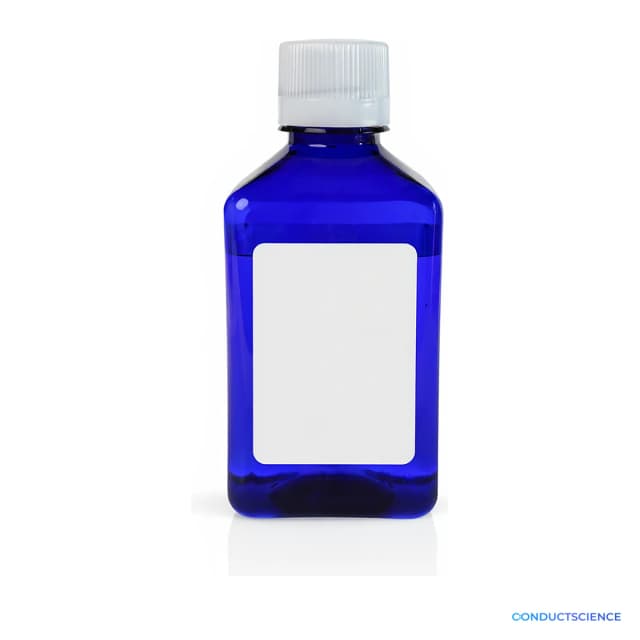
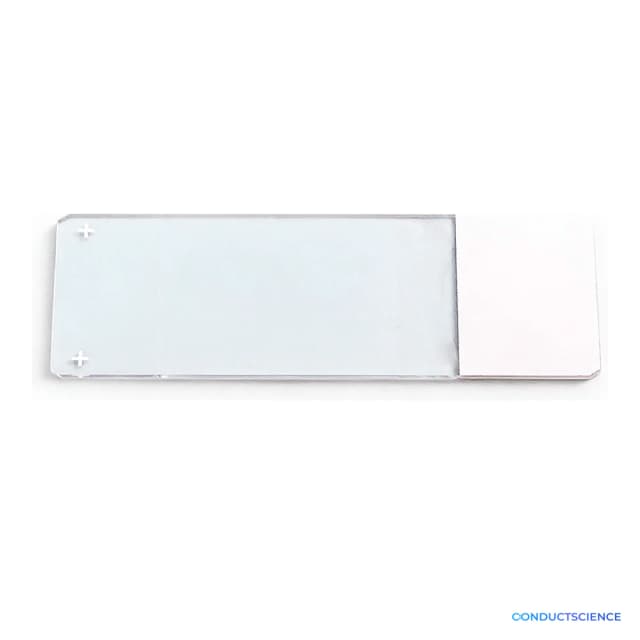
In a bone histology workflow, the decalcifier sits between fixation and tissue processing. Pair it with ConductScience EDTA decalcification solution and adhesion slides, and, for immunohistochemistry on decalcified bone, with the ConductScience heat-induced antigen retrieval system.
The 5 L model weighs 60 kg and measures 520 × 446 × 423 mm; the 10 L model weighs 67 kg and measures 520 × 446 × 472 mm. Leave about 30 cm of open space at the sides and back for ventilation and at least 40 cm between the rear air outlet and the wall. Both models run on 220 V at 500 W, and we confirm the power configuration for your lab with your quote.
How It Works
The chamber is a temperature-controlled bath with compressor cooling. Sample tubes sit in an adapter plate inside it, and the module holds temperature uniform to within ±1 °C, so every tube sees the same conditions. Keeping the solution cold slows the damage decalcification does to enzymes and proteins, while ultrasonic energy, set to low, medium, or high, keeps fresh solution moving into the tissue so calcium comes out faster than with passive soaking or shaking.
You set the target temperature, the run time (1 minute up to 99 days, 24 hours, and 59 minutes), and the ultrasonic level. The system runs a self-check, holds the program until the timer ends, and shuts off. A water-level sensor prompts you to add water if the chamber runs low.
Features & Benefits
Temperature Range
- 4 to 60 °C (5 L)
- 4 to 40 °C (10 L)
Ultrasonic Power
- Low
- Medium
- High
Timer Range
- 1 min to 99 days 24 h 59 min
Temperature Uniformity
- Within ±1 °C across the module
Sample Format
- Centrifuge tubes in an adapter plate
Power/Voltage
- 220V
Power Consumption
- 500 W
Dimensions
- 520 × 446 × 423 mm (5 L)
- 520 × 446 × 472 mm (10 L)
Weight
- 60 kg (5 L)
- 67 kg (10 L)
Operating Environment
- 5 to 30 °C, 70% RH or less
Brand
- ConductScience
Research Domain
- Histopathology
| Model | SKU | Listed price | Status | Shipping box |
|---|---|---|---|---|
| 10 L | CS-BIO-00012 | Quote | Available | Confirmed during quote |
| 10 L | CS-BIO-00011 | Quote | Available | Confirmed during quote |
| 10 L | CS-BIO-00010 | Quote | Available | Confirmed during quote |
| 5 L | CS-BIO-00009 | Quote | Available | Confirmed during quote |
| 5 L | CS-BIO-00008 | Quote | Available | Confirmed during quote |
| 5 L | CS-BIO-00007 | Quote | Available | Confirmed during quote |
Practical Tips
Remove skin and muscle, and cut large specimens into smaller pieces before decalcifying.
Why: Leftover soft tissue and large specimens slow calcium removal.
Use at least 20 times the sample volume of EDTA decalcification solution in each tube.
Why: Enough chelator keeps decalcification moving and matches the conditions behind the reference times.
Pick the tube size that gives each specimen at least 20 times its volume in solution.
Why: A tube that is too small limits the solution volume and slows decalcification.
Add water to the minimum level, load the tubes, then top up to a few millimeters below the tube platform.
Why: The water carries heat to the tubes, and the system prompts you when the level is too low.
Confirm decalcification is complete before processing, for example with a flexibility test or a radiograph.
Why: Reference times are a starting point; bone age and specimen size change how long each sample needs.
Change the chamber water when it turns cloudy using the automatic drain, and wipe the tube holes in the module with a damp cotton swab.
Why: Clean water and clean contact surfaces keep heat transfer to the tubes even.
Setup Guide
What’s in the Box
- Decalcification system, 5 L or 10 L
- Adapter plate for the tube size you select
- Drain tube
- Power cord
- User manual
- Warranty card, maintenance record, and quality certificate
Why decalcify at 4 °C instead of room temperature?
Low temperature protects enzyme and protein activity in the sample. Enzyme stains such as osteoblast alkaline phosphatase (ALP) often fail on conventionally decalcified bone because the enzyme has been inactivated; samples decalcified cold in this system keep enough activity for clear ALP staining.
How much faster is it than EDTA on a shaker?
In the reference tables, using EDTA at 20 times the sample volume or more, mouse long bones finish in 2 to 3 days instead of 7 to 10, rat long bones in 14 to 16 days instead of 30 to 35, and rabbit long bones in 45 to 60 days instead of 90 to 120. Specimen size, bone age, and leftover soft tissue change these times.
What is the difference between the 5 L and 10 L models?
The 10 L model doubles the chamber volume and takes larger adapter plates (up to thirty-five 15 mL tubes, fifteen 50 mL tubes, or eight 100 mL tubes) for bigger specimens or batches. The 5 L model reaches up to 60 °C and the 10 L model up to 40 °C. Both hold temperature uniform to within ±1 °C, run the same programs, and use 220 V at 500 W.
Which tube adapter should I choose?
Choose the tube size that holds each specimen in at least 20 times its volume of solution. The 5 L model takes twelve 5 mL, twenty 10 or 15 mL, or twelve 50 mL tubes; the 10 L model takes thirty-five 15 mL, fifteen 50 mL, or eight 100 mL tubes. Tell us about your specimens when you request a quote and we will help you pick.
Which decalcification solution should I use?
The reference times were measured with EDTA decalcification solution at 20 times the sample volume or more. EDTA is the usual choice when you need to preserve antigens and enzyme activity; ConductScience EDTA decalcification solution is made for this system.
Can it handle teeth and other hard tissue?
Yes. The reference tables cover teeth, skull, cochlea, spine, and joints as well as long bones, in mouse, rat, and rabbit.
What power and space does it need?
Both models run on 220 V and draw 500 W; we confirm the power configuration for your lab with your quote. The 5 L model is 520 × 446 × 423 mm and 60 kg, and the 10 L model is 520 × 446 × 472 mm and 67 kg. Leave about 30 cm of clearance at the sides and back, keep the rear air outlet at least 40 cm from the wall, and run it in a room at 5 to 30 °C with humidity at or below 70%.
Have a question about this product?
Have a question? Just ask.
Send it over and we'll email you a personalized answer — no call, no scheduling.
Prefer to talk it through?
Accessories
Enhance your setup with compatible accessories