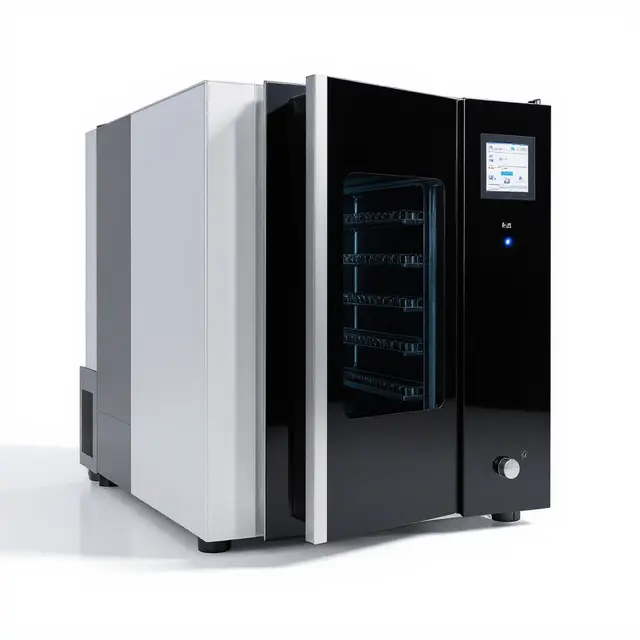
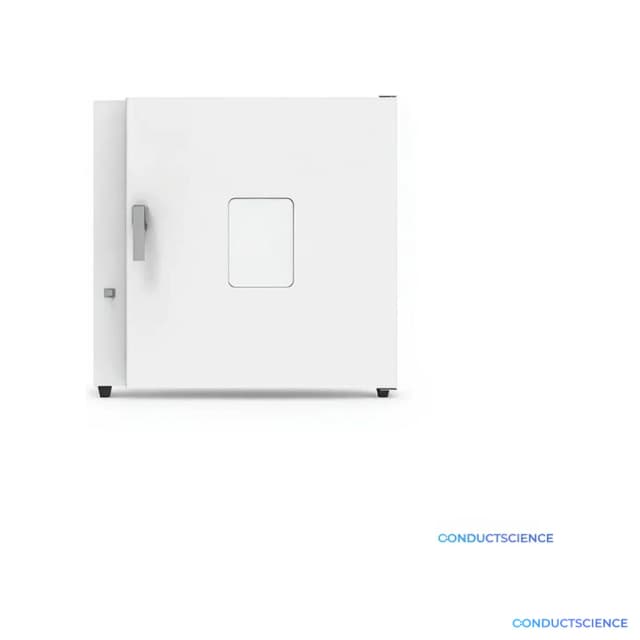
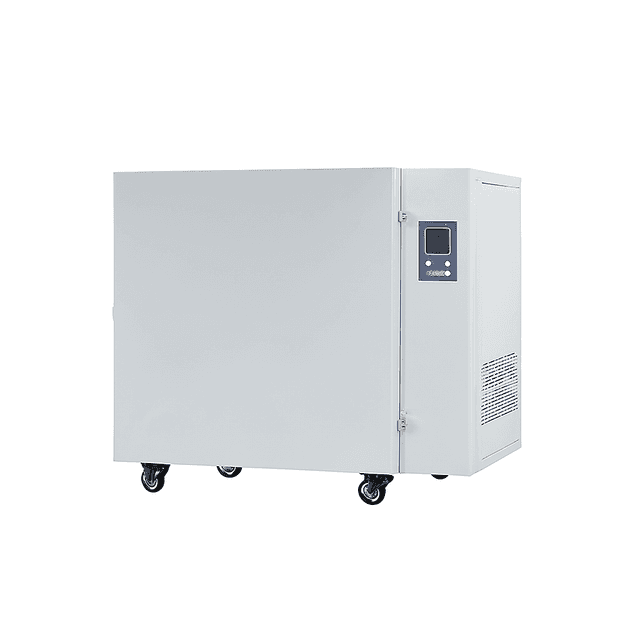
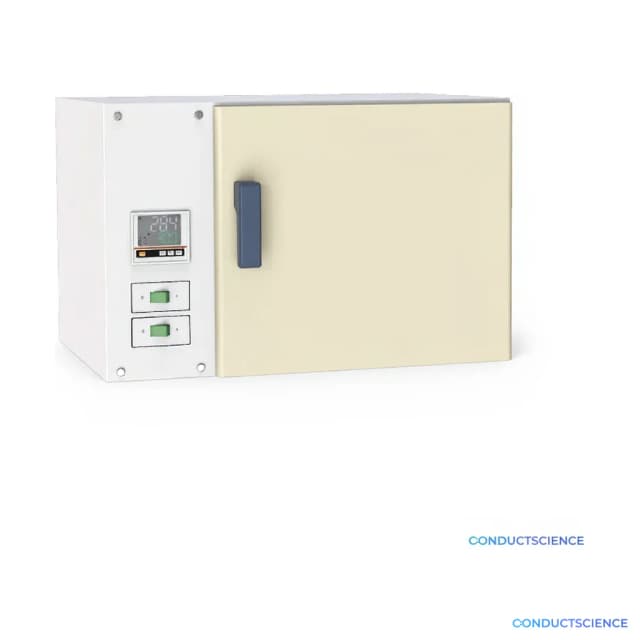
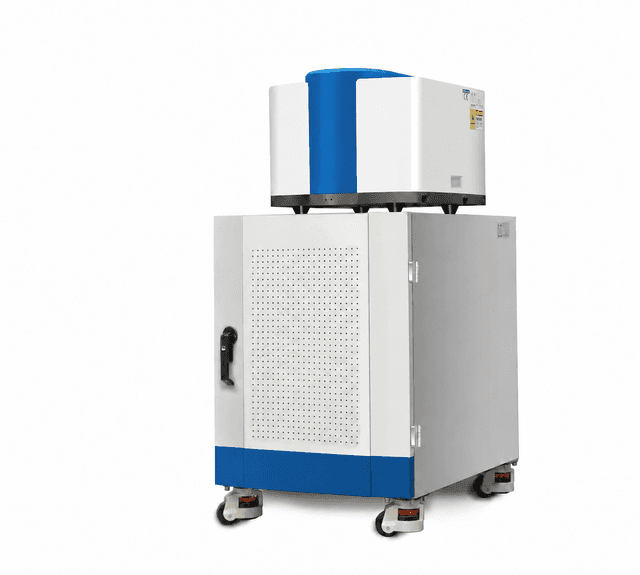
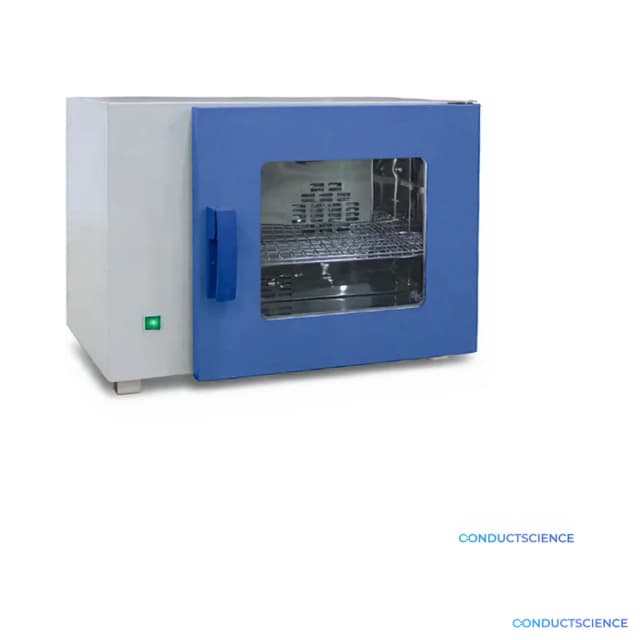
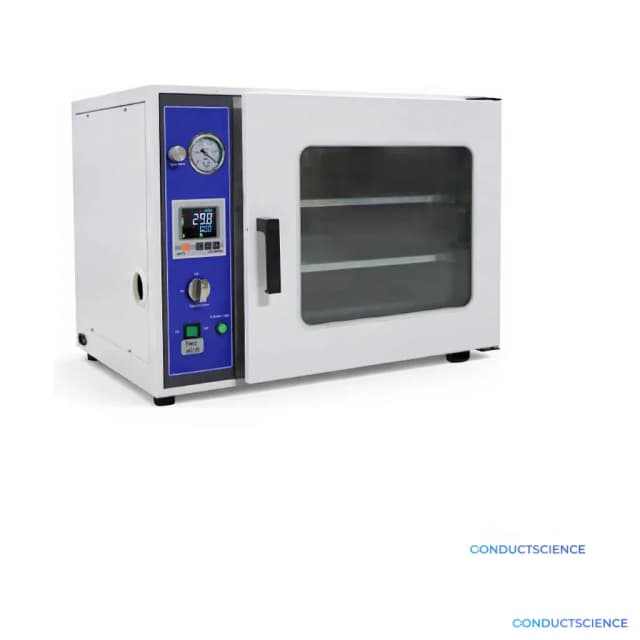
Drying Oven/Incubator(Dual Purpose) 35L 53L 87L 149L 248L
Dual-purpose laboratory oven for both forced-air drying (80–250°C) and incubation (RT+5–60°C), available in five capacity configurations.
Mirror stainless steel interior with adjustable shelves and forced hot air circulation for uniform temperature; microcomputer-based controller with precision regulation and multiple safety alarms.

Louise Corscadden, PhD
Director of Science · ConductScience
Ask Louise about Drying Oven/Incubator(Dual Purpose) 35L 53L 87L 149L 248L fit, setup, configuration, or quote prep.
Already working with us? Sign in to connect this with My Scientist.
Key Specifications
Full details →- Model fit
- 5 selectable configurations
- SKU family
- BIO-0255
- Shipping box
- 32.0 x 34.0 x 32.5 cm
- Ordering
- Online checkout and quote request available
- Category
- Drying Ovens
- Build notes
- Confirm accessories, station layout, and support needs before purchase
The ConductScience dual-purpose drying oven and incubator provides two operating modes in one unit: forced-air drying for sample drying, sterilization, and heat treatment, and incubation for cell culture and microbiological work. Forced hot air circulation combined with a microcomputer temperature controller maintains tight temperature uniformity across the stainless steel chamber. Silicon rubber sealing and double-layer glass door provide reliable insulation and visual monitoring.
Technical Specifications
| Parameter | Details |
|---|---|
| Capacity | 35 L, 50 L, 70 L, 140 L, 240 L |
| Temperature Range (Incubator) | RT+5–60°C |
| Temperature Range (Oven) | 80–250°C |
| Temperature Resolution | 0.1°C |
| Temperature Fluctuation | Incubator ±0.5°C; Oven ±1°C |
| Timing Range | 1–9999 min |
| Shelves | 2 |
| Ambient Temperature | +5–35°C |
| Power Supply | AC 220±22V, 50/60 Hz (standard); 110V 60 Hz optional |
| Power Consumption | 500–2000 W (by model) |
Key Features
- Dual incubator and drying oven modes in a single unit
- Mirror stainless steel interior with rounded corners for easy cleaning
- Adjustable shelf spacing
- Forced hot air circulation for uniform temperature distribution
- Double-layer glass observation window with silicon rubber sealing
- Multiple safety alarms and protections
- Optional RS-485 connectivity for data recording
How It Works
The dual-purpose oven/incubator operates through forced air circulation combined with precise temperature control systems. In incubator mode (RT+5~80°C), the micro-air circulation system maintains gentle airflow to ensure uniform temperature distribution while preventing sample desiccation. The lower temperature range supports biological applications requiring controlled thermal environments without thermal stress.
In oven mode (80~220°C), the same circulation system provides efficient heat transfer for drying applications. The internal stainless steel chamber conducts heat evenly while the micro-circulation prevents hot spots that could cause uneven drying or thermal degradation. Temperature sensors continuously monitor chamber conditions, with feedback control maintaining setpoints within ±0.5°C (incubator mode) or ±1°C (oven mode).
The dual-range capability eliminates the need for separate instruments, achieved through internal switching between heating elements and circulation patterns optimized for each temperature range. Safety systems include over-temperature alarms and temperature probe damage detection to protect samples and prevent equipment damage.
Features & Benefits
Research Domain
- Analytical Chemistry
- Environmental Monitoring
- Food Science
- Materials Science
- Microbiology
- Pharmaceutical QC
Brand
- ConductScience
Shipping weight
- 27.0 lb
Shipping box
- L: 32.0 cm
- W: 34.0 cm
- H: 32.5 cm
| Feature | This Product | Typical Alternative | Advantage |
|---|---|---|---|
| Temperature Range Coverage | RT+5~80°C (incubator) and 80~220°C (oven) in single unit | Single-function units covering either incubation or drying temperature ranges | Reduces equipment investment and laboratory space requirements while providing versatility for diverse applications. |
| Temperature Uniformity | ±3% uniformity at 100°C with micro-air circulation | Passive convection models often show greater temperature variation | Ensures consistent heating across all sample positions for reproducible experimental results. |
| Temperature Precision | 0.1°C resolution with LCD display | Basic models often provide 1°C resolution | Enables precise control for temperature-sensitive applications requiring high accuracy. |
| Programming Capability | Timing range up to 5999 minutes | Entry-level units may offer limited timing options | Supports extended protocols and automated operation for complex experimental procedures. |
| Safety Features | Over-temperature alarm and temperature probe damage detection | Basic models may lack comprehensive alarm systems | Protects valuable samples from thermal damage and provides early warning of equipment issues. |
| Capacity Options | Five models from 35L to 248L | Limited size selections in some product lines | Accommodates diverse laboratory requirements from individual research to high-throughput operations. |
The dual-purpose design provides exceptional versatility by combining incubation and drying capabilities in a single instrument with precise temperature control and comprehensive safety features. The micro-air circulation system and multiple capacity options address diverse laboratory requirements while the extended programming capabilities support complex experimental protocols.
| Model | SKU | Listed price | Status | Shipping box |
|---|---|---|---|---|
| BOV-D248 | BIO-0255 | $2,299.00 | Available | 32.0 x 34.0 x 32.5 cm |
| BOV-D149 | BIO-0255 | $1,599.00 | Available | 32.0 x 34.0 x 32.5 cm |
| BOV-D87 | BIO-0255 | $1,299.00 | Available | 32.0 x 34.0 x 32.5 cm |
| BOV-D53 | BIO-0255 | $1,099.00 | Available | 32.0 x 34.0 x 32.5 cm |
| BOV-D35 | BIO-0255 | $999.00 | Available | 32.0 x 34.0 x 32.5 cm |
Practical Tips
Verify temperature uniformity using calibrated sensors placed at multiple chamber positions, including corners and center locations.
Why: The ±3% uniformity specification applies across the entire chamber volume and should be confirmed for your specific sample arrangements.
Clean the stainless steel interior regularly with appropriate solvents and inspect door seals for proper closure.
Why: Contamination buildup affects temperature uniformity and door seal integrity impacts temperature stability.
Allow adequate spacing between samples and avoid overloading the chamber to maintain proper air circulation.
Why: The micro-air circulation system requires unobstructed airflow to achieve specified temperature uniformity.
Preheat the chamber to target temperature before loading temperature-sensitive samples.
Why: Minimizes temperature excursions that could affect sample integrity during the initial heating phase.
If temperature fluctuations exceed specifications, check for door seal integrity and verify proper ventilation clearances.
Why: External heat sources or poor sealing compromise the internal temperature control system performance.
Record ambient temperature conditions when documenting experimental protocols for reproducibility.
Why: Ambient conditions affect heating performance and may influence temperature stability in incubator mode.
Never override temperature alarms and ensure proper electrical grounding before operation.
Why: Alarm systems protect both samples and equipment from thermal damage while proper grounding prevents electrical hazards.
Perform temperature calibration checks after any maintenance or relocation of the unit.
Why: Physical disturbance can affect sensor alignment and temperature control accuracy requiring recalibration verification.
Setup Guide
What’s in the Box
- Drying oven/incubator main unit
- Power cord (typical)
- Internal shelving (typical)
- User manual and quick start guide (typical)
- Temperature calibration certificate (typical)
Warranty
ConductScience provides a standard one-year manufacturer warranty covering defects in materials and workmanship. Technical support includes application guidance and maintenance recommendations to ensure optimal instrument performance.
Compliance
What is the temperature transition time between incubator and oven modes?
Consult product datasheet for specific heating and cooling rates. The dual-range design allows mode switching but transition times depend on ambient conditions and target temperatures.
Can the unit operate continuously at maximum temperature?
The 220°C maximum temperature can be maintained continuously in oven mode. Refer to specifications for duty cycle limitations and maintenance requirements for extended high-temperature operation.
What shelf configurations are available for different sample types?
Internal stainless steel construction accommodates standard laboratory shelving. Consult product documentation for specific shelf dimensions and loading configurations for each capacity model.
How is temperature calibration verified and maintained?
The ±3% uniformity specification should be verified using calibrated temperature sensors placed throughout the chamber. Regular calibration schedules depend on usage frequency and accuracy requirements.
What ventilation requirements are necessary for safe operation?
Micro-air circulation requires adequate clearance around the unit for proper heat dissipation. Consult installation guidelines for minimum spacing requirements and ventilation recommendations.
Can the timing function be programmed for multiple temperature steps?
The 0-5999 minute timing range supports extended single-step protocols. Consult product manual for advanced programming capabilities and multi-step temperature profiles.
What data logging capabilities are available?
The LCD display provides real-time temperature monitoring. Consult product specifications for data output options and connectivity for external data logging systems.
Have a question about this product?
Have a question? Just ask.
Send it over and we'll email you a personalized answer — no call, no scheduling.
Prefer to talk it through?
Accessories
Enhance your setup with compatible accessories
Upgrade Options