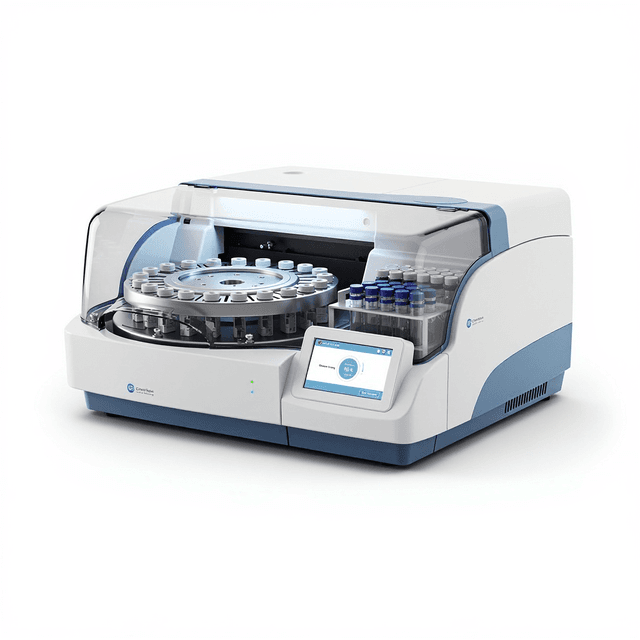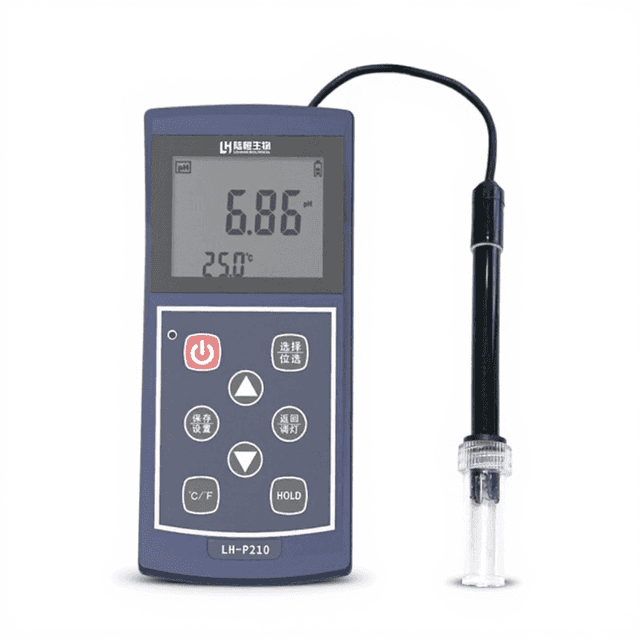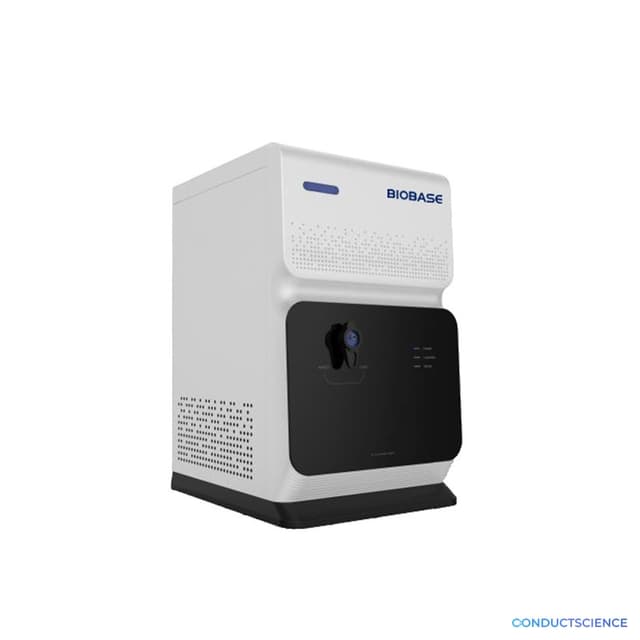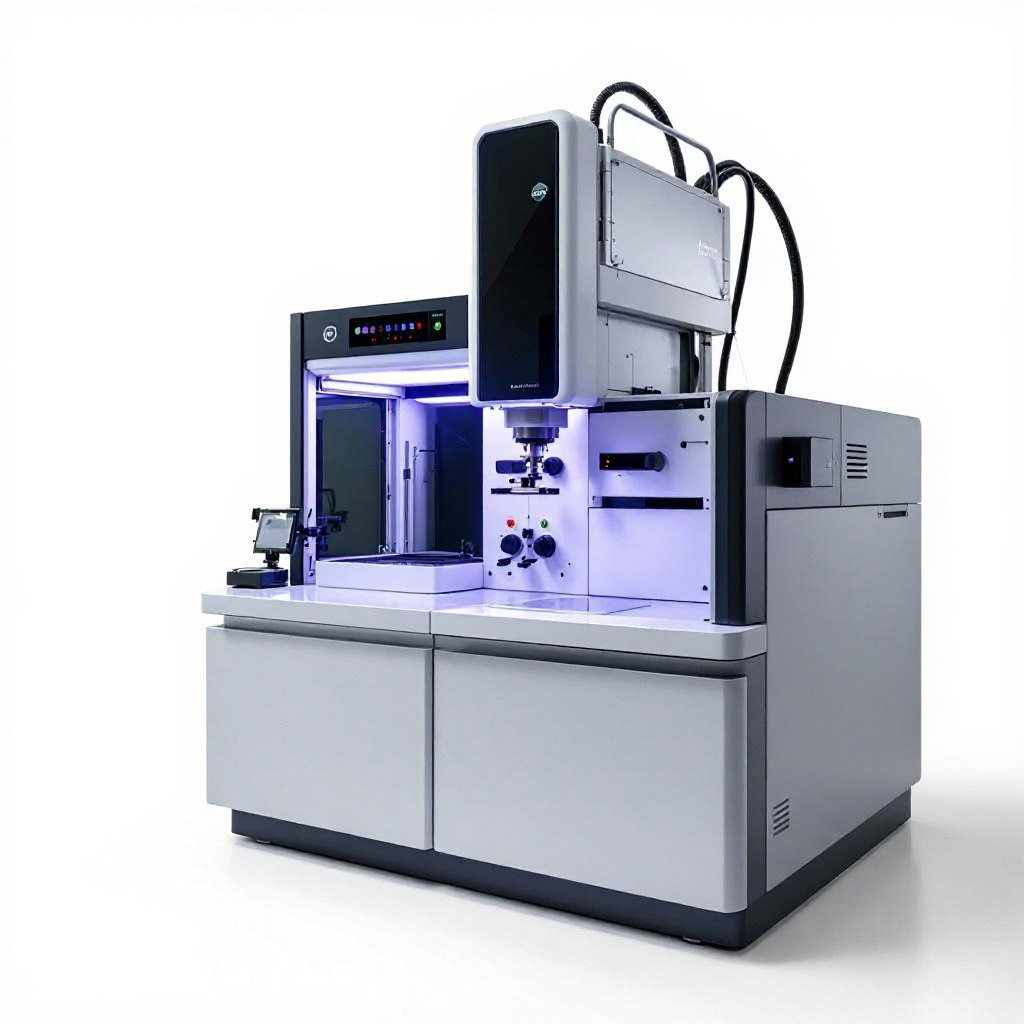
High-throughput Nucleic Acid Detection Workstation
Automated nucleic acid detection platform combining sample processing, thermal cycling, and optical detection for high-throughput molecular analysis workflows.

Louise Corscadden, PhD
Director of Science · ConductScience
Ask Louise about High-throughput Nucleic Acid Detection Workstation fit, setup, configuration, or quote prep.
Already working with us? Sign in to connect this with My Scientist.
Key Specifications
Full details →- Model fit
- Configured during quote
- SKU family
- BIO-0654
- Shipping box
- 42.0 x 43.6 x 38.0 cm
- Ordering
- Online checkout and quote request available
- Category
- Imaging & Analysis
- Build notes
- Confirm accessories, station layout, and support needs before purchase
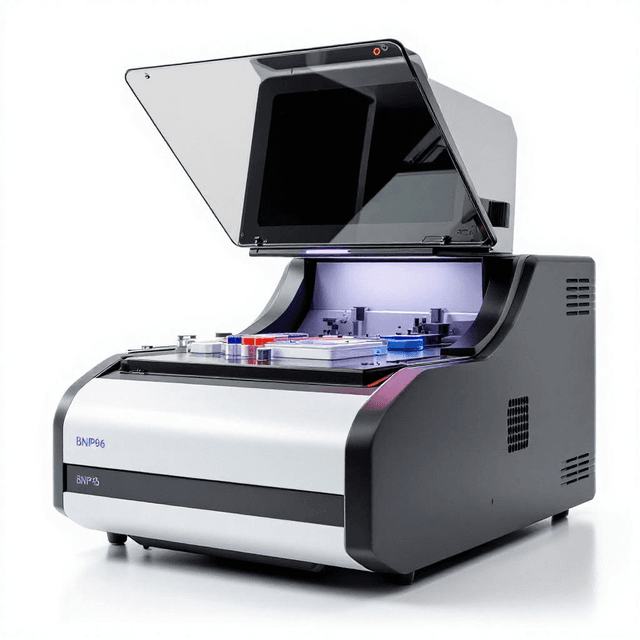
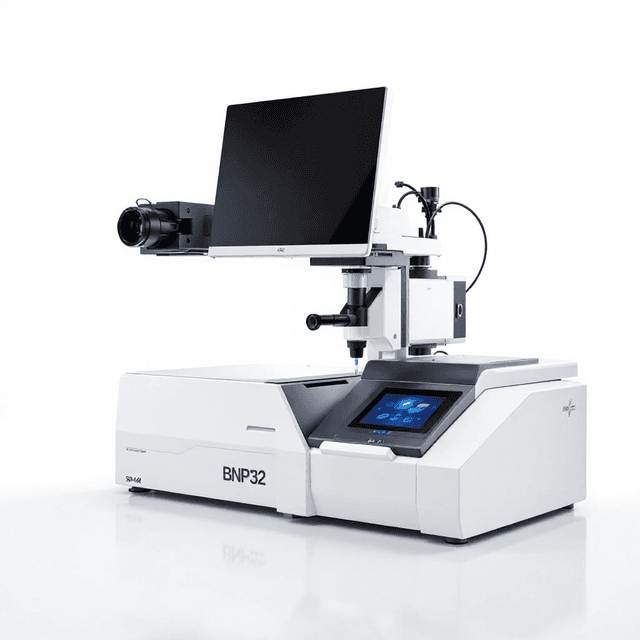
The High-throughput Nucleic Acid Detection Workstation is a specialized analytical platform designed for automated nucleic acid detection and quantification in research and diagnostic applications. This workstation integrates sample processing, thermal cycling, and detection capabilities in a consolidated system optimized for high-sample-volume workflows.
The system supports various nucleic acid detection methodologies including real-time PCR, endpoint PCR, and isothermal amplification techniques. With its automated sample handling and integrated detection optics, the workstation reduces manual intervention while maintaining precise temperature control and optical measurement accuracy required for reliable nucleic acid analysis.
How It Works
The workstation employs thermal cycling technology combined with fluorescence detection optics to enable real-time monitoring of nucleic acid amplification reactions. The system maintains precise temperature control across multiple zones while simultaneously monitoring fluorescence emissions from reporter molecules that indicate target amplification.
Sample processing begins with automated liquid handling for reagent addition and mixing. The thermal block provides rapid heating and cooling cycles with uniform temperature distribution across all sample positions. Integrated optical systems excite fluorophores at specific wavelengths and detect emission signals, allowing real-time quantification of amplified products.
Data acquisition occurs continuously throughout the thermal cycling process, with signal processing algorithms analyzing fluorescence intensity changes to determine target presence and quantification. The system generates amplification curves and melting curve analysis for comprehensive nucleic acid characterization.
Features & Benefits
Automation Level
- fully-automated
Research Domain
- Clinical Diagnostics
- Environmental Monitoring
- Food Science
- Microbiology
- PCR and Genomics
- Pharmaceutical QC
Shipping weight
- 29.98 lb
Shipping box
- L: 42.0 cm
- W: 43.6 cm
- H: 38.0 cm
| Feature | This Product | Typical Alternative | Advantage |
|---|---|---|---|
| Sample Processing Automation | Automated sample handling with integrated processing | Manual pipetting or basic automation systems | Reduces operator time and improves consistency across large sample batches. |
| Detection Integration | Integrated optical detection system | Separate detection instruments or endpoint analysis | Eliminates sample transfer steps and enables real-time monitoring of amplification reactions. |
| Throughput Capacity | High-capacity sample processing | Lower throughput systems or batch processing limitations | Accommodates larger studies and routine testing workflows with improved laboratory efficiency. |
| Workflow Integration | Consolidated sample-to-result platform | Multiple separate instruments requiring sample transfer | Streamlines workflow and reduces potential contamination or sample mix-up risks. |
The workstation offers integrated automation from sample processing through detection and analysis. This consolidated approach reduces manual handling requirements and improves workflow efficiency compared to systems requiring multiple separate instruments.
Practical Tips
Perform optical calibration at the beginning of each day of operation using the provided standards.
Why: Ensures accurate fluorescence detection and consistent quantitative results.
Clean optical windows weekly with lens cleaning solution and lint-free wipes.
Why: Prevents signal interference from dust or residue accumulation on detection optics.
Include positive and negative controls in each run for quality assurance.
Why: Validates system performance and identifies potential contamination or protocol issues.
Check thermal block temperature uniformity if amplification results vary across sample positions.
Why: Temperature variations can cause inconsistent amplification efficiency and affect quantitative accuracy.
Review amplification curves for proper shape and baseline stability before accepting results.
Why: Abnormal curve patterns may indicate protocol optimization needs or system performance issues.
Ensure proper ventilation when working with fluorescent dyes and PCR reagents.
Why: Some reagents may require fume extraction and fluorescent dyes can be hazardous with prolonged exposure.
Pre-warm reagents to room temperature before loading to avoid condensation in the system.
Why: Cold reagents can cause condensation that interferes with optical detection and affects temperature control.
Replace consumable components according to the recommended schedule based on usage cycles.
Why: Worn consumables can affect sample handling precision and optical detection accuracy.
Setup Guide
What’s in the Box
- Main workstation unit (typical)
- Power cable and adapter (typical)
- Control software package (typical)
- USB communication cable (typical)
- User manual and quick start guide (typical)
- Calibration standards and verification materials (typical)
- Sample plates and consumables starter kit (typical)
- Installation and setup documentation (typical)
Warranty
ConductScience provides a one-year manufacturer warranty covering parts and labor, with technical support for installation, operation, and troubleshooting assistance.
Compliance
What sample formats and volumes are compatible with the workstation?
Consult product datasheet for specific plate formats, tube types, and volume ranges supported by the automated handling system.
How many samples can be processed simultaneously?
Sample capacity depends on the specific configuration and plate format used. Check technical specifications for maximum throughput capabilities.
What fluorophores and detection channels are available?
The optical system supports multiple detection channels. Refer to specifications for excitation/emission wavelengths and compatible reporter dyes.
Can the system perform gradient PCR optimization?
Temperature gradient capabilities allow optimization of PCR conditions across multiple temperatures in a single run, subject to system specifications.
What data formats are exported for analysis?
The system typically exports standard file formats compatible with analysis software. Check documentation for specific format options and data export capabilities.
How often does the system require calibration?
Calibration frequency depends on usage patterns and laboratory protocols. Follow manufacturer recommendations for routine calibration schedules.
What maintenance is required for optimal performance?
Regular cleaning of optical components, thermal block maintenance, and periodic performance verification are typically required. Consult maintenance schedule in user documentation.
Can existing PCR protocols be adapted for this system?
Most standard PCR protocols can be adapted with adjustments for automated handling and detection parameters. Protocol optimization may be required for specific assays.
Have a question about this product?
Have a question? Just ask.
Send it over and we'll email you a personalized answer — no call, no scheduling.
Prefer to talk it through?
Accessories
Enhance your setup with compatible accessories
Replacement Parts & Consumables
Frequently Bought Together
Upgrade Options