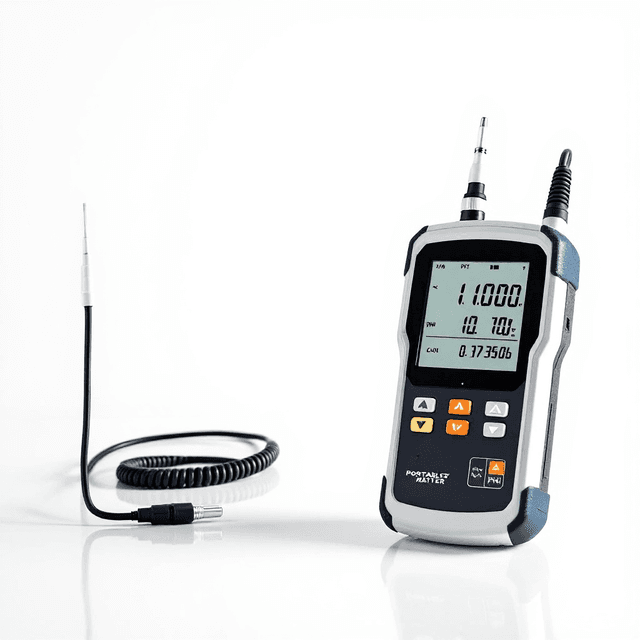
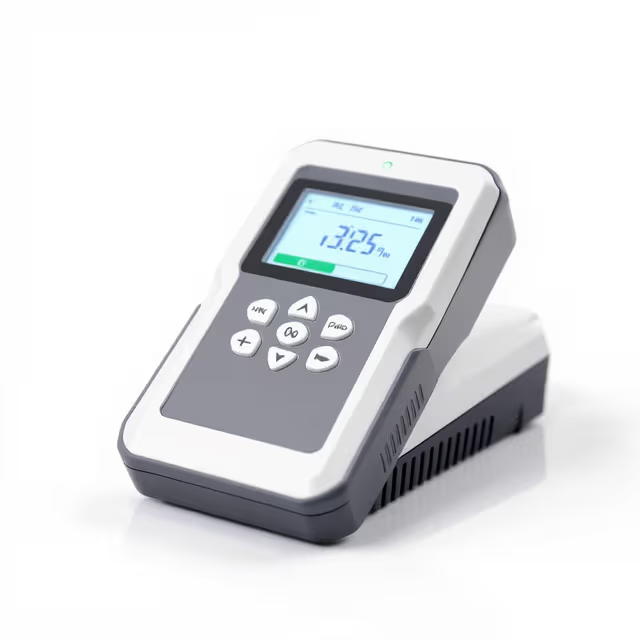
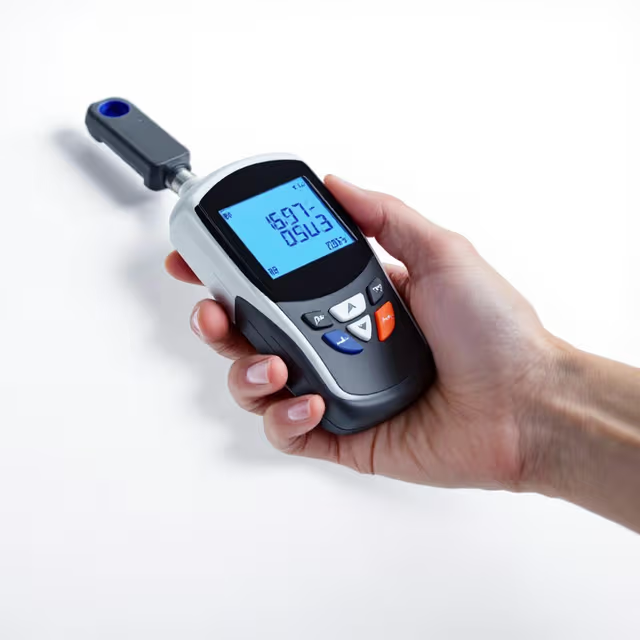
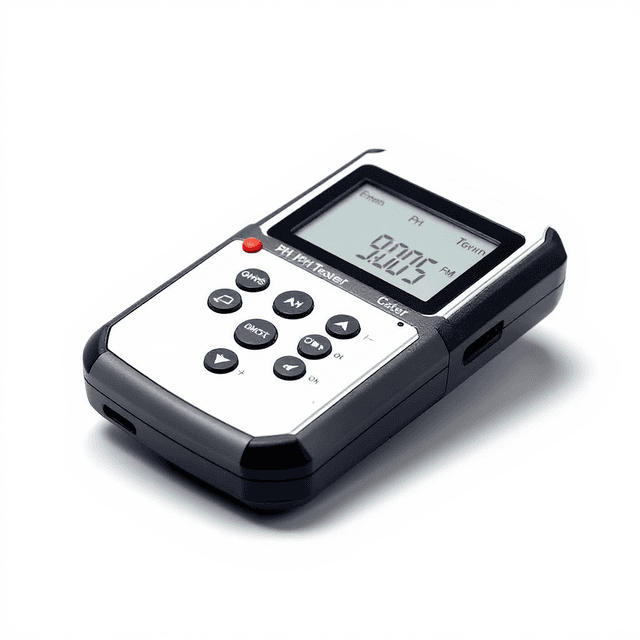
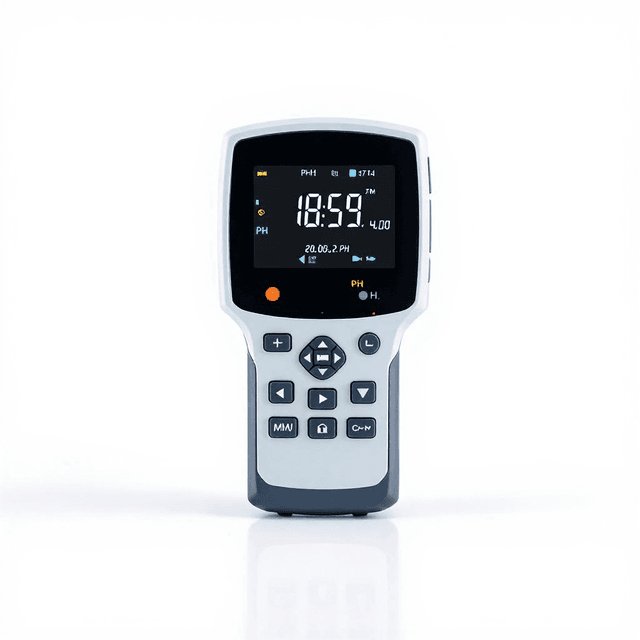
Photometric Water Hardness Analyzer, 0.05-50 mg/L, Digital Display
Photometric water hardness analyzer with 0.05-50 mg/L range, built-in thermal printer, and data storage for over 5,000 records using acidic cadmium lanthanum K method.

Louise Corscadden, PhD
Director of Science · ConductScience
Ask Louise about Photometric Water Hardness Analyzer, 0.05-50 mg/L, Digital Display fit, setup, configuration, or quote prep.
Already working with us? Sign in to connect this with My Scientist.
Key Specifications
Full details →- Model fit
- Configured during quote
- SKU family
- LH-0010
- Shipping box
- 19.0 x 45.0 x 37.0 cm
- Ordering
- Online checkout and quote request available
- Category
- pH Meters
- Build notes
- Confirm accessories, station layout, and support needs before purchase
The Benchtop Water Hardness Meter (BIO-0360) is a photometric analyzer designed for quantitative determination of water hardness using the acidic cadmium lanthanum K photometric method. This benchtop instrument provides precise measurement of water hardness levels from 0.05 to 50 mg/L with ≤8% indication error and ≤±5% repeatability, making it suitable for applications requiring accurate water quality assessment.
The system features a colorimetric measurement approach using tubes or cuvettes, with optical stability of ≤0.001A per 10 minutes and a 5-minute measurement cycle. Built-in data management capabilities include storage for over 5,000 records and customizable curve capacity up to 200 items. The integrated thermal printer and USB interface facilitate documentation and data transfer for laboratory workflows requiring water hardness monitoring and quality control.
How It Works
The water hardness meter operates using the acidic cadmium lanthanum K photometric method, which involves the formation of colored complexes that are proportional to the concentration of hardness-causing ions (primarily calcium and magnesium). The sample is treated with specific reagents in a colorimetric tube or cuvette, creating a colored solution whose absorbance is measured photometrically.
The instrument's optical system measures light absorption at specific wavelengths, with the degree of color development directly correlating to water hardness levels. The photometric detection system maintains optical stability of ≤0.001A per 10 minutes, ensuring consistent measurements throughout the 5-minute analysis cycle. The built-in microprocessor converts absorbance readings to hardness concentrations using pre-programmed calibration curves.
Data processing occurs automatically, with results calculated and displayed while being stored in the instrument's memory system. The 100,000-hour light source lifespan and stable optical components ensure long-term measurement reliability across the 0.05-50 mg/L measurement range.
Features & Benefits
Shipping weight
- 6.0 lb
Shipping box
- L: 19.0 cm
- W: 45.0 cm
- H: 37.0 cm
| Feature | This Product | Typical Alternative | Advantage |
|---|---|---|---|
| Measurement Method | Acidic cadmium lanthanum K photometric method | Many meters use EDTA titration or ion-selective electrodes | Photometric method provides consistent results with reduced operator variability compared to manual titration techniques. |
| Measurement Range | 0.05-50 mg/L with ≤8% indication error | Entry-level models often have narrower ranges or higher error tolerances | Wide dynamic range accommodates both soft and moderately hard water samples in a single instrument. |
| Data Storage Capacity | Over 5,000 measurement records | Basic models typically store 100-1,000 records | Extensive data storage supports long-term monitoring programs and regulatory compliance documentation. |
| Analysis Time | 5-minute measurement cycle | Manual titration methods require 15-20 minutes per sample | Rapid analysis enables higher sample throughput for laboratories processing multiple samples daily. |
| Calibration Flexibility | 200-item curve capacity | Standard instruments offer fewer calibration points | Extensive calibration customization optimizes accuracy across different sample types and concentration ranges. |
| Data Output Options | Built-in thermal printer plus USB interface | Many models offer only digital display or basic connectivity | Multiple output options support both immediate documentation and laboratory information system integration. |
This water hardness meter combines photometric measurement accuracy with comprehensive data management features including extensive storage capacity, multiple output options, and flexible calibration capabilities. The 5-minute analysis cycle and wide measurement range make it suitable for laboratories requiring efficient water quality testing with reliable documentation.
Practical Tips
Prepare fresh calibration standards monthly and verify calibration with certified reference materials to maintain measurement accuracy.
Why: Reagent degradation and drift can affect photometric readings over time.
Use multiple calibration points across the expected sample range rather than relying on single-point calibration.
Why: Multi-point calibration improves accuracy for samples with varying hardness levels.
Clean the measurement chamber weekly with deionized water and lint-free wipes to prevent optical interference.
Why: Residue buildup can cause baseline drift and affect measurement precision.
Store the instrument with the measurement chamber empty and dry between use periods.
Why: Prevents sample carryover and reduces risk of optical component degradation.
Allow samples and reagents to equilibrate to room temperature before analysis to ensure consistent reaction kinetics.
Why: Temperature variations can affect color development rates and final absorbance readings.
Process samples in duplicate when results will be used for critical decisions or regulatory reporting.
Why: Duplicate analysis provides confidence in results and identifies potential sample preparation errors.
If readings appear unstable, check for air bubbles in colorimetric tubes and ensure proper mixing of sample and reagents.
Why: Air bubbles and incomplete mixing are common sources of measurement variability in photometric analysis.
Run quality control standards at the beginning of each analysis session to verify instrument performance.
Why: Regular QC monitoring detects instrument drift before it affects sample results.
Setup Guide
What’s in the Box
- Water hardness meter main unit
- Power adapter and cord
- USB cable for data communication
- Colorimetric tubes/cuvettes (typical)
- User manual and method protocols
- Calibration certificate (typical)
- Thermal printer paper roll (typical)
- Reagent starter kit (typical)
Warranty
ConductScience provides a standard one-year manufacturer warranty covering parts and labor, with technical support for instrument operation and method development. Extended warranty options and calibration services are available for laboratories requiring ongoing compliance verification.
Compliance
What is the detection limit and linear range for water hardness measurements?
The instrument measures water hardness from 0.05-50 mg/L using the acidic cadmium lanthanum K photometric method, with ≤8% indication error and ≤±5% repeatability across this range.
How long does each analysis take and what is the sample throughput capacity?
Each measurement requires a 5-minute analysis cycle. With sample preparation time, laboratories can typically process 8-12 samples per hour depending on workflow efficiency.
What type of data output and storage capabilities does the instrument provide?
The meter stores over 5,000 measurement records internally, with results available through the built-in thermal printer and USB interface for data transfer to laboratory systems.
What calibration flexibility is available for different sample types?
The instrument supports up to 200 calibration curve points, allowing extensive customization for different sample matrices and optimization of accuracy across specific concentration ranges.
What are the environmental operating requirements for the instrument?
The meter operates in ambient temperatures of 5-40°C and relative humidity ≤85% (non-condensing), suitable for most laboratory environments without special climate control.
How does this photometric method compare to titration methods for water hardness?
The photometric method provides faster analysis (5 minutes vs 15-20 minutes for titration) with reduced operator variability and automatic data recording, while maintaining comparable accuracy to traditional EDTA titration.
What maintenance is required for the optical system and light source?
The 100,000-hour light source lifespan requires minimal maintenance, with optical stability of ≤0.001A per 10 minutes ensuring consistent performance. Regular cleaning of the measurement chamber and periodic calibration verification are recommended.
Can the instrument handle different sample volumes or is it fixed?
The instrument uses colorimetric tubes or cuvettes for sample analysis. Consult the product datasheet for specific sample volume requirements and compatible tube specifications.
Have a question about this product?
Have a question? Just ask.
Send it over and we'll email you a personalized answer — no call, no scheduling.
Prefer to talk it through?
Accessories
Enhance your setup with compatible accessories
Frequently Bought Together