ConductVision Enterprise

Aviation & Aerospace

Detect runway hazards, streamline ground operations, and manage terminal crowds with aviation-grade visual intelligence.

Aviation & Aerospace operations

Airport environments demand exceptional operational precision where ground hazards, passenger flow bottlenecks, and security threats must be managed simultaneously across airside and landside operations. Foreign Object Debris on runways, aircraft ground damage events, baggage handling errors, and terminal overcrowding all carry severe safety and financial consequences. ConductVision's technology can provide comprehensive visual analytics across airport operations, from runway and apron monitoring to terminal crowd management and baggage handling verification. Real-time detection of FOD, ground equipment conflicts, and passenger flow anomalies can enhance safety and operational efficiency across the airport ecosystem.

The challenge

Runway FOD causes millions in aircraft engine and tire damage annually, yet detection depends on scheduled vehicle inspections that leave gaps between passes. Ground operations on the apron involve complex vehicle and equipment choreography where collisions and aircraft ground strikes are persistent risks. Terminal operations face unpredictable passenger surges that overwhelm security checkpoints and gate areas.

Our approach

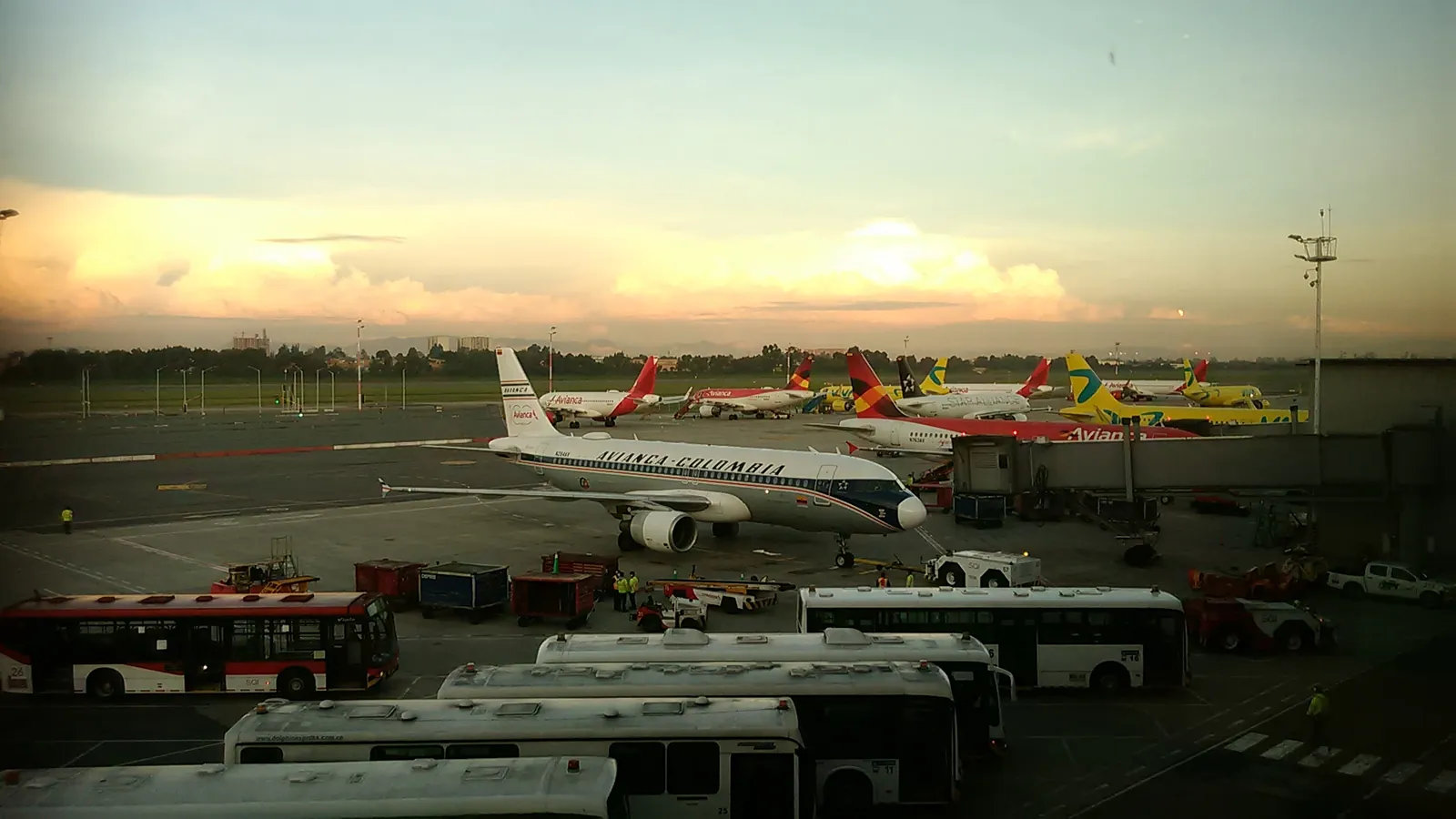
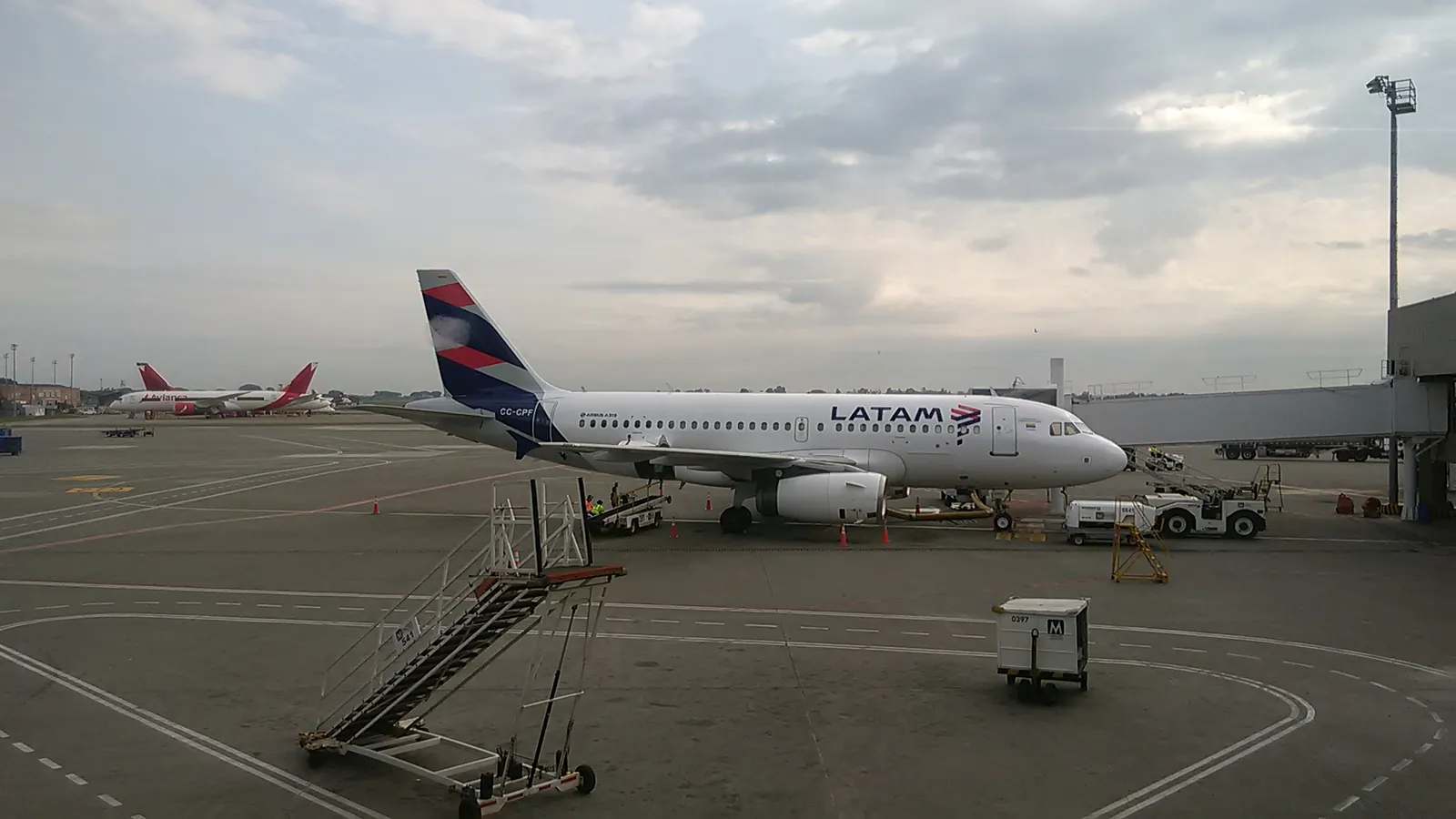
ConductVision can process feeds from runway-edge cameras to detect FOD between inspection passes, providing continuous coverage that supplements vehicle-based sweeps. Apron cameras can monitor ground vehicle traffic, aircraft pushback clearances, and equipment positioning. Terminal cameras can generate real-time passenger density maps and queue predictions for checkpoint and gate area management.

Use cases

Runway Foreign Object Debris Detection

Cameras positioned along runway edges and taxiway intersections can detect foreign objects including hardware, luggage components, wildlife, and pavement fragments between scheduled FOD inspections. Detections can be classified by size and location, with alerts routed to airfield operations for rapid removal.

Aircraft Ground Damage Prevention

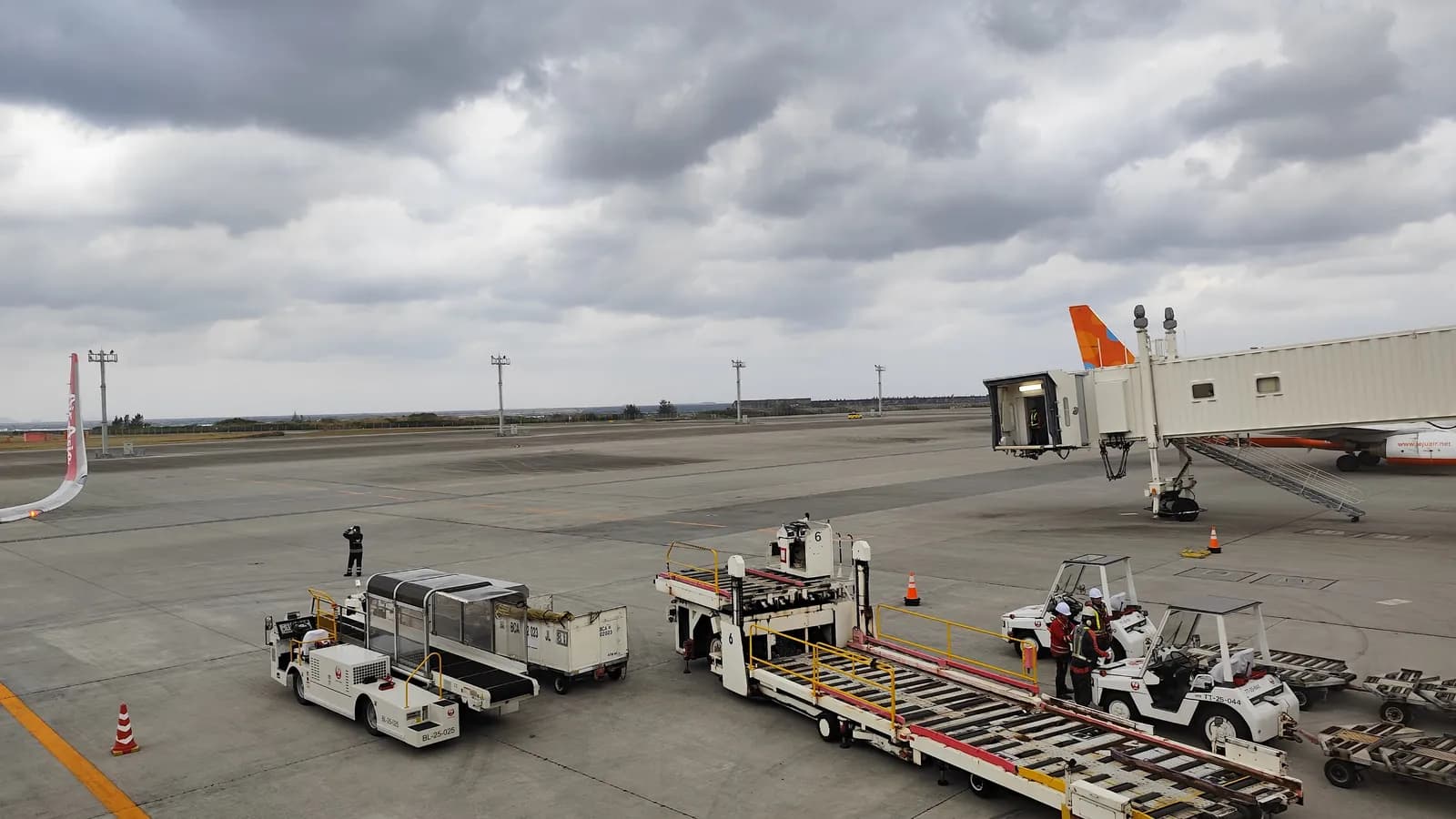
Apron cameras can monitor ground service equipment movement around parked aircraft, detecting proximity violations and potential collision trajectories with fuselage, wings, and engines. Alerts can reach ramp controllers before contact occurs, and incident near-miss data can inform ground handling training programs.

Baggage Handling Visual Verification

Cameras at sort points, make-up carousels, and container loading positions can verify bag routing, detect jams and mishandled items, and confirm container integrity before transport to aircraft. Misrouted bags can be flagged early in the handling chain, reducing misconnects and improving on-time baggage delivery.

Terminal Crowd and Queue Management

Cameras at security checkpoints, immigration counters, gate areas, and retail zones can provide real-time passenger density and queue length data. Predictions can enable dynamic lane opening at security checkpoints and staffing adjustments at immigration counters before queues reach service level thresholds.

Apron Safety and Compliance Monitoring

Cameras can verify that ground crews wear required high-visibility vests and hearing protection, that vehicle speed limits are observed on the apron, and that jet blast exclusion zones are respected during engine start. Compliance data can be reported by airline, handler, and shift for safety performance benchmarking.

Integration ecosystem

Airport Operations Database (AODB)Baggage Handling Systems (BHS)Flight Information Display Systems (FIDS)Ground Handling Management PlatformsAirport Security Systems (PSIM, Access Control)

Scope a aviation & aerospace monitoring pilot

Tell us about your sites and cameras; a ConductVision engineer replies with a scoping plan.