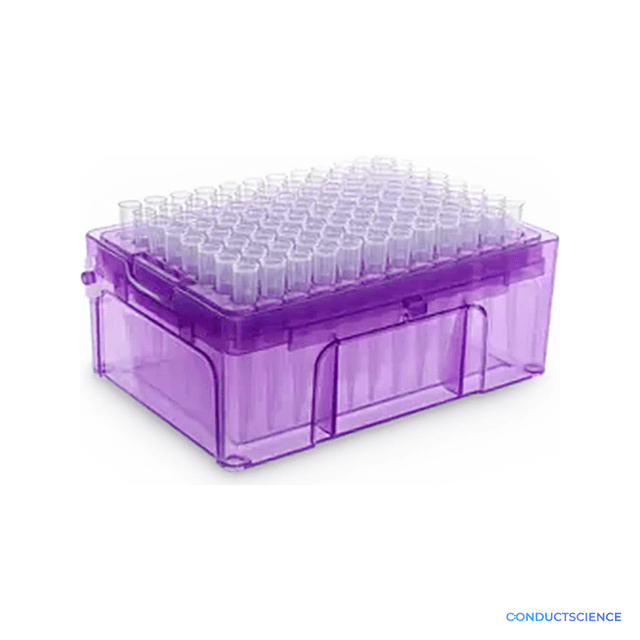
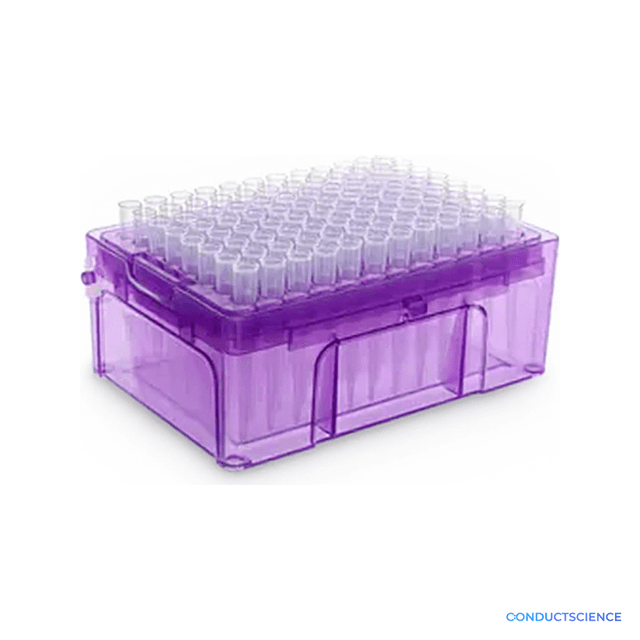
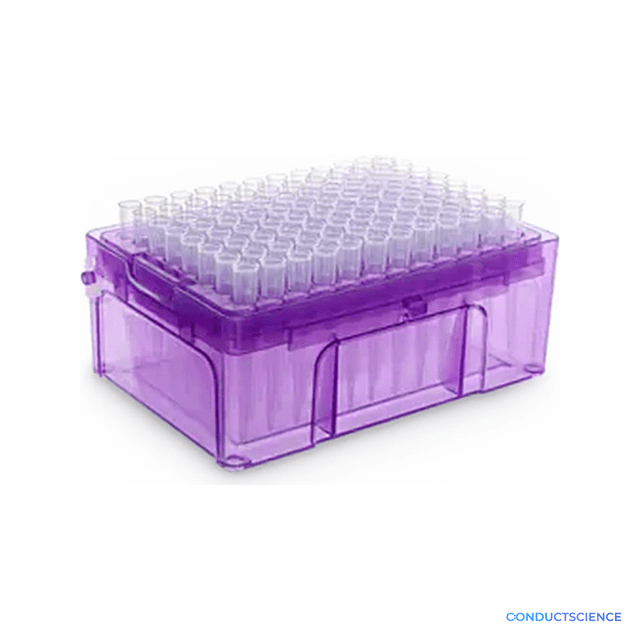
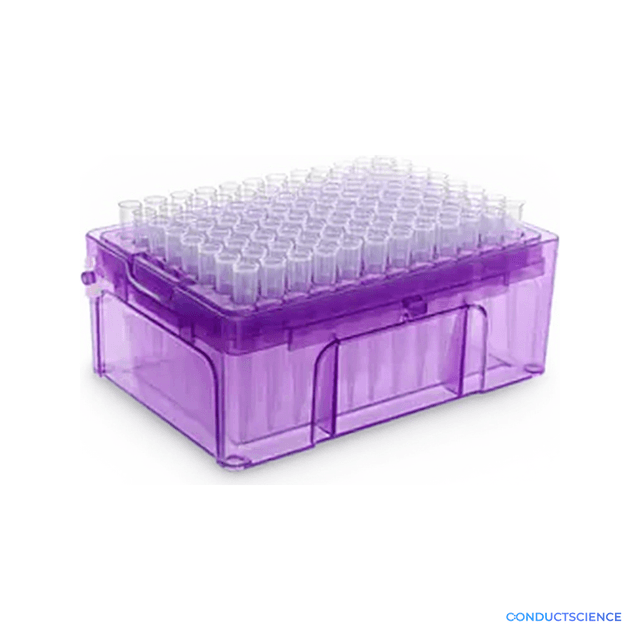
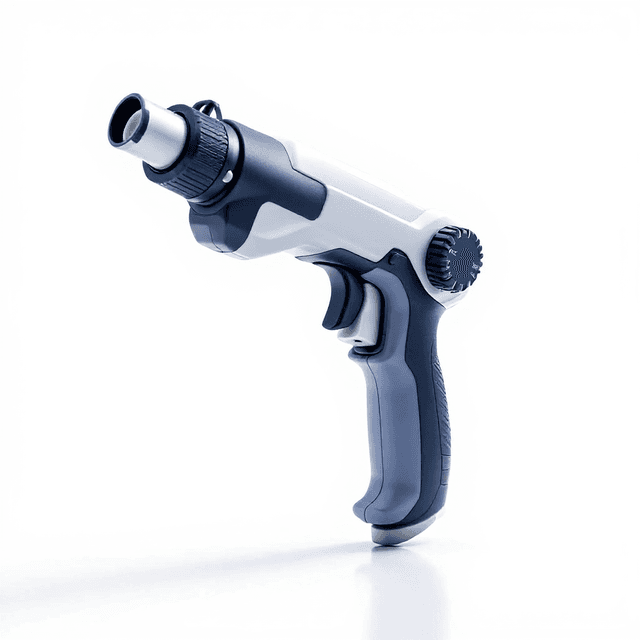
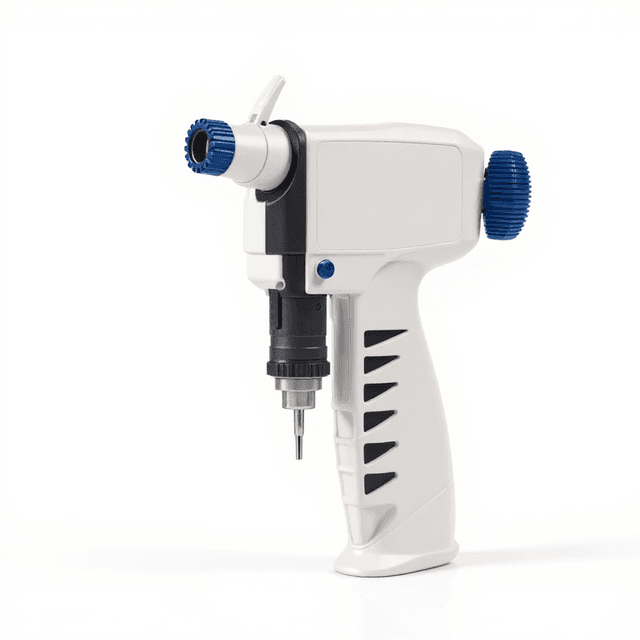
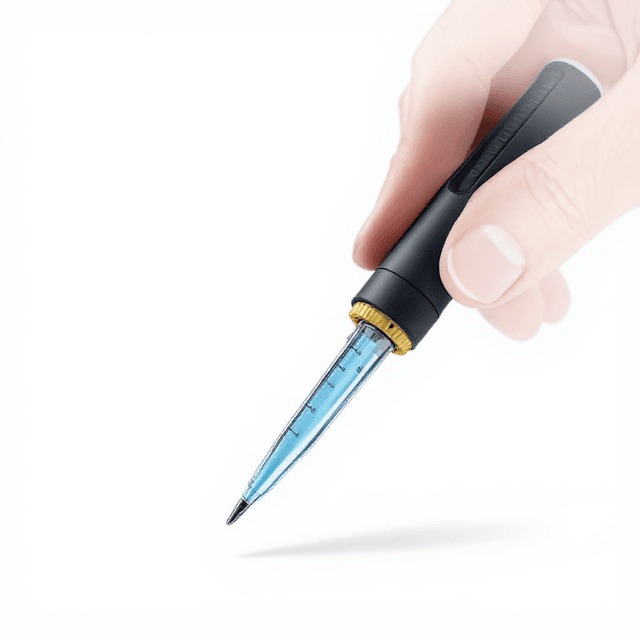
Micro Single Channel Adjustable Pipette
Variable volume micropipette for precise liquid handling from 0.1-10 μL with adjustable settings and specified accuracy tolerances for research applications.

Louise Corscadden, PhD
Director of Science · ConductScience
Ask Louise about Micro Single Channel Adjustable Pipette fit, setup, configuration, or quote prep.
Already working with us? Sign in to connect this with My Scientist.
Key Specifications
Full details →- Model fit
- Configured during quote
- SKU family
- BIO-0617
- Shipping box
- 42.0 x 43.6 x 38.0 cm
- Ordering
- Online checkout and quote request available
- Category
- Liquid Handling
- Build notes
- Confirm accessories, station layout, and support needs before purchase
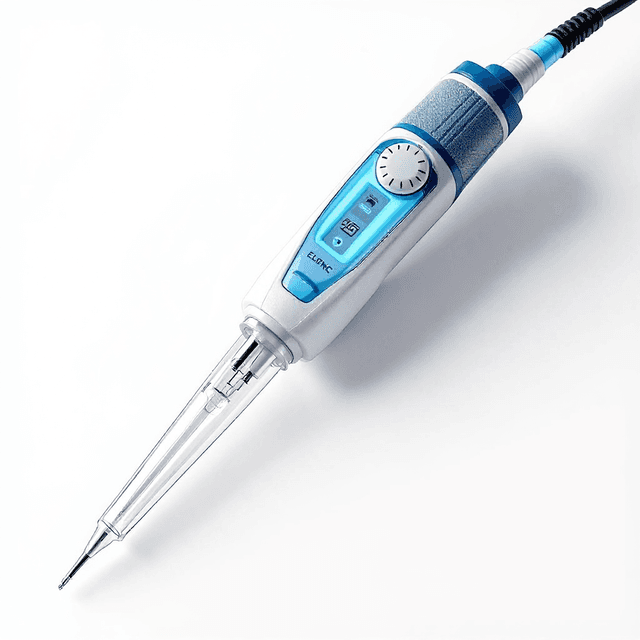
The Micro Single Channel Adjustable Pipette is a precision liquid handling instrument designed for accurate and reproducible dispensing of microvolumes in research and analytical applications. This variable volume pipette accommodates two volume ranges: 0.1-2.5 μL and 0.5-10 μL, providing researchers with flexibility for diverse experimental protocols requiring precise liquid measurements.
The instrument features adjustable volume settings with fine increment control and maintains specified accuracy tolerances across its operational range. With systematic error specifications of ≤6% for the lowest volumes and improving to ≤3% at higher volumes, this pipette supports protocols requiring precise liquid handling in molecular biology, analytical chemistry, and bioanalytical research applications.
How It Works
The micropipette operates on the positive displacement principle, utilizing a piston-driven mechanism to draw and dispense precise liquid volumes. The adjustable volume control allows users to set the desired dispensing volume within the specified range, with the internal mechanism calibrated to deliver that exact volume through controlled piston displacement.
Volume accuracy is maintained through precision-machined internal components and calibrated piston travel distances. The systematic error specifications indicate the maximum deviation from the set volume, while random error values reflect the precision of repeated measurements. The 0.05 μL increment resolution on the lower range and proportional increments on higher volumes enable fine control over dispensed quantities.
Proper liquid handling technique, including consistent aspiration speed and tip immersion depth, ensures reproducible results within the specified accuracy tolerances across the full volume range.
Features & Benefits
Automation Level
- manual
Cat. No.
- Volume
Increment
- Test Volume(μl)
Maximum Permissible
- Maximum Permissible
Systematic Error
- Random Error
%
- μl
10101001
- 0.1-2.5μl
0.05μl
- 0.25
6
- 0.015
3
- 0.1
1.25
- 1.5
0.0188
- 1.8
2.5
- 0.4
0.01
- 1.2
10101002
- 0.5-10μl
Brand
- ConductScience
Research Domain
- Analytical Chemistry
- Cell Biology
- Clinical Diagnostics
- Environmental Monitoring
- Microbiology
- Molecular Biology
- Pharmaceutical QC
Shipping weight
- 4.41 lb
Shipping box
- L: 42.0 cm
- W: 43.6 cm
- H: 38.0 cm
| Feature | This Product | Typical Alternative | Advantage |
|---|---|---|---|
| Volume Range Coverage | 0.1-2.5 μL and 0.5-10 μL ranges | Single fixed volume or limited adjustment range | Covers broader experimental needs with one instrument, reducing equipment requirements. |
| Increment Resolution | 0.05 μL minimum increments | Coarser increment steps in entry-level models | Enables precise volume adjustments for applications requiring exact stoichiometric ratios. |
| Accuracy at Low Volumes | ≤6% systematic error at 0.1-2.5 μL | Higher error rates in sub-microliter range | Maintains acceptable accuracy even at challenging ultra-low volumes. |
| Error Specification | Both systematic and random error values provided | Limited accuracy specifications | Allows researchers to calculate measurement uncertainty for their specific applications. |
This micropipette combines dual volume range capability with fine increment control and specified accuracy tolerances. The systematic and random error specifications across both volume ranges provide quantitative performance expectations for research applications requiring precise microvolume liquid handling.
Practical Tips
Verify accuracy using gravimetric methods with distilled water at controlled temperature.
Why: Temperature affects liquid density and ensures accuracy verification matches actual use conditions.
Replace seals and internal components according to manufacturer schedule or when accuracy drifts.
Why: Worn seals compromise the vacuum integrity essential for accurate volume delivery.
Pre-wet tips 2-3 times with the working solution before critical measurements.
Why: Pre-wetting eliminates volume loss due to liquid retention on dry tip surfaces.
If accuracy decreases, check for air bubbles in the tip and ensure complete tip sealing.
Why: Air bubbles and poor seals disrupt the positive displacement mechanism.
Use consistent aspiration and dispensing speeds to minimize variability between measurements.
Why: Technique consistency reduces random error and improves reproducibility across experiments.
Use appropriate tips and avoid contact with corrosive or volatile solvents without compatibility verification.
Why: Chemical compatibility prevents damage to internal seals and maintains long-term accuracy.
Setup Guide
What’s in the Box
- Micro Single Channel Adjustable Pipette
- User manual and operation instructions (typical)
- Calibration certificate (typical)
- Tip compatibility guide (typical)
Warranty
ConductScience provides standard manufacturer warranty coverage including technical support for proper operation and calibration verification procedures.
Compliance
References
Background reading relevant to this product:
What accuracy can I expect across the full volume range?
Systematic error is ≤6% for 0.1-2.5 μL range and ≤3% for 0.5-10 μL range, with random error specifications provided for precision assessment.
What is the finest volume increment I can set?
The minimum increment is 0.05 μL, allowing precise adjustments for applications requiring exact liquid ratios.
How do I ensure maximum accuracy in my dispensing?
Pre-wet the tip 2-3 times, maintain consistent aspiration speed, immerse tip 2-3 mm into liquid, and use proper plunger technique with first and second stops.
What types of liquids can this pipette handle?
Consult product datasheet for specific liquid compatibility; proper tip selection is critical for accuracy with different solution viscosities and surface tensions.
How often should I calibrate the pipette?
Calibration frequency depends on usage intensity and accuracy requirements; monthly verification is typical for routine use, more frequent for critical applications.
Can I autoclave the pipette for sterilization?
Consult product datasheet for sterilization procedures; many micropipettes require specific protocols to maintain calibration accuracy.
What tip brands are compatible with this pipette?
Use tips specifically designed for this pipette model to ensure proper seal and accuracy; consult compatibility guide for approved tip specifications.
Have a question about this product?
Have a question? Just ask.
Send it over and we'll email you a personalized answer — no call, no scheduling.
Prefer to talk it through?
Accessories
Enhance your setup with compatible accessories
Replacement Parts & Consumables