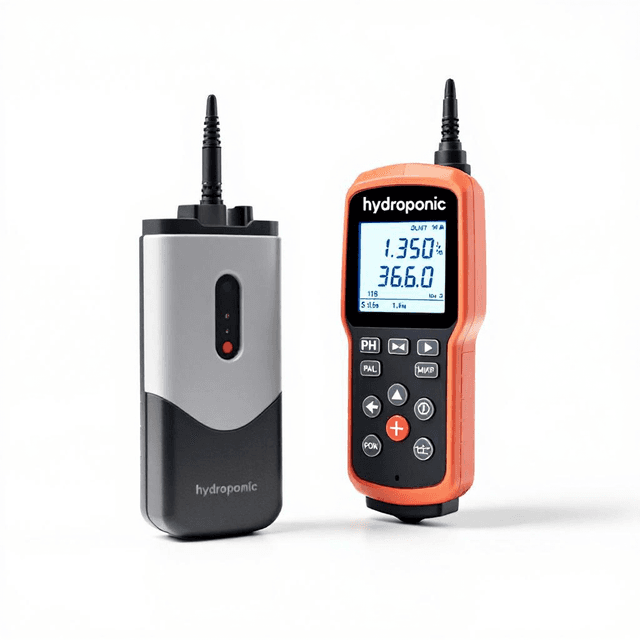
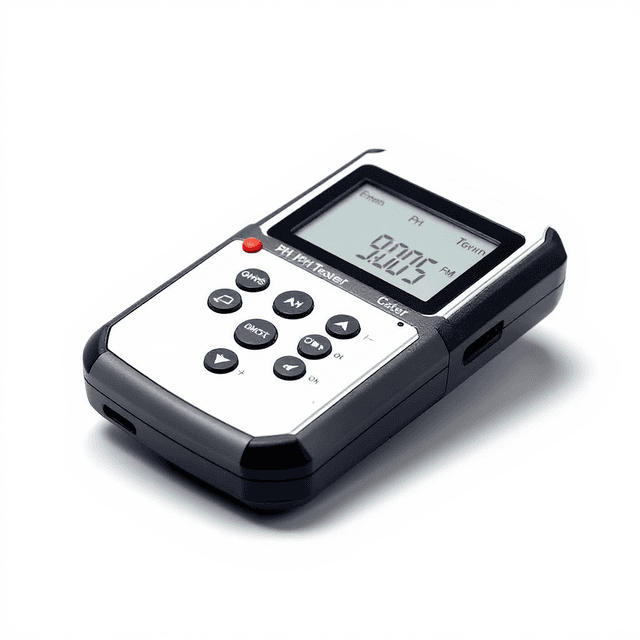
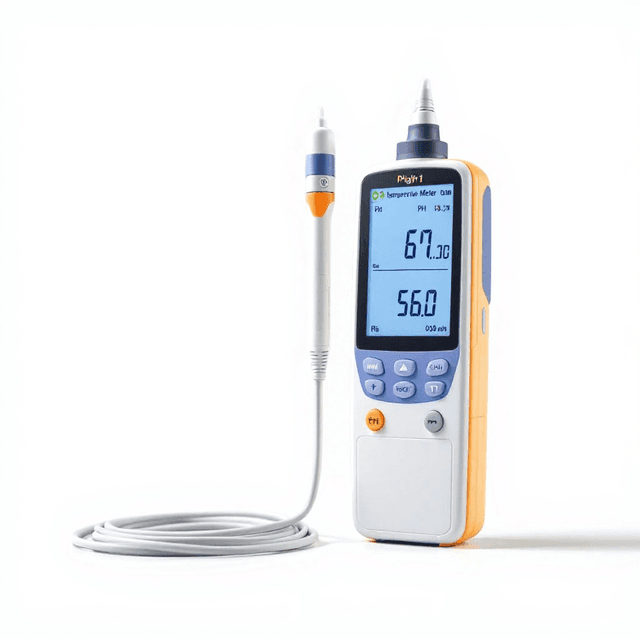
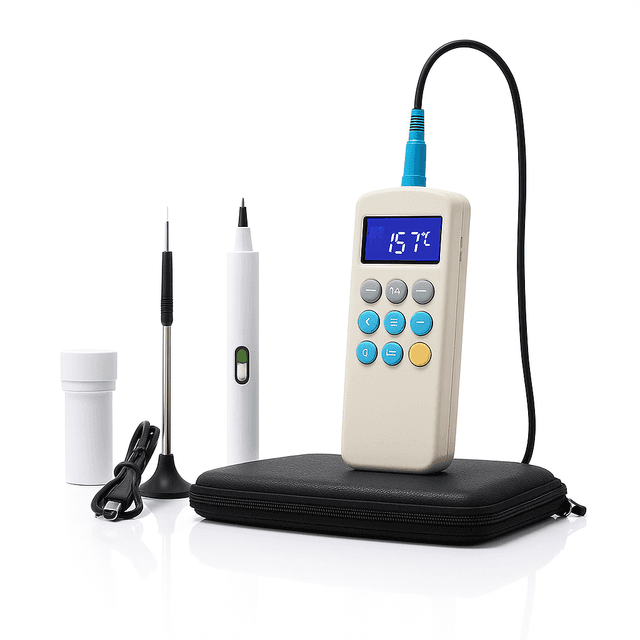
Oxidation Reduction Potential Meter
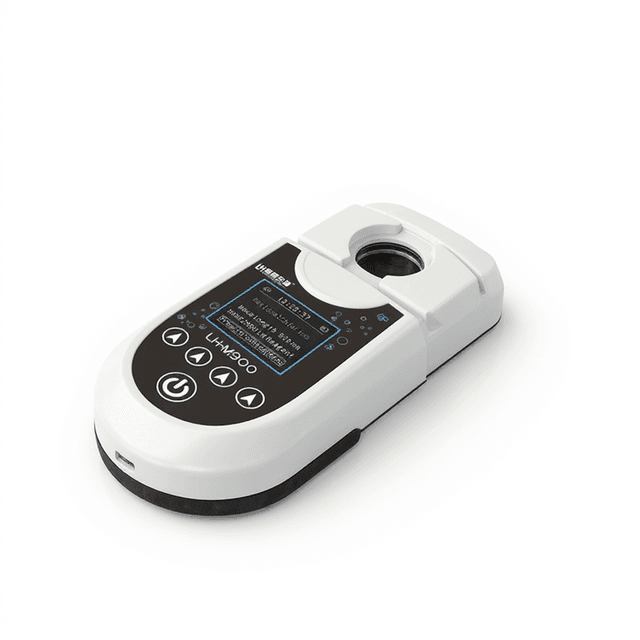
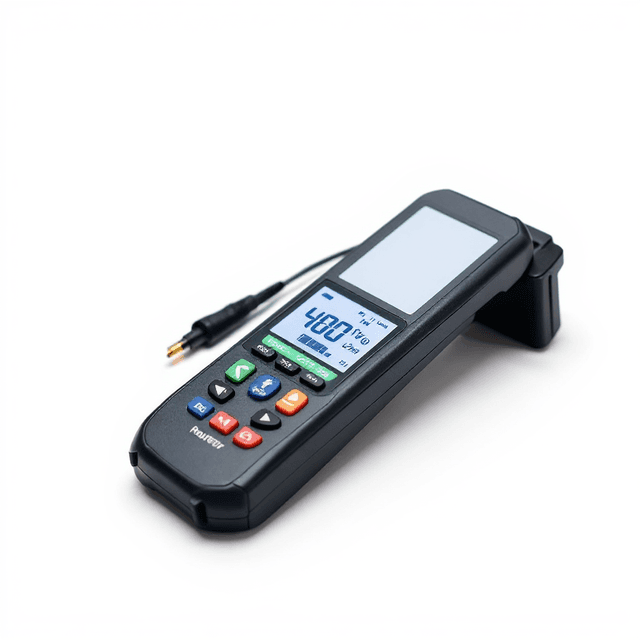
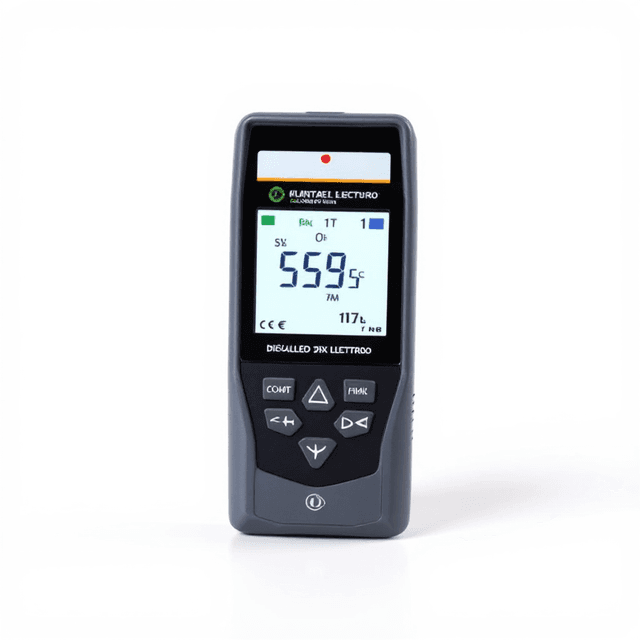
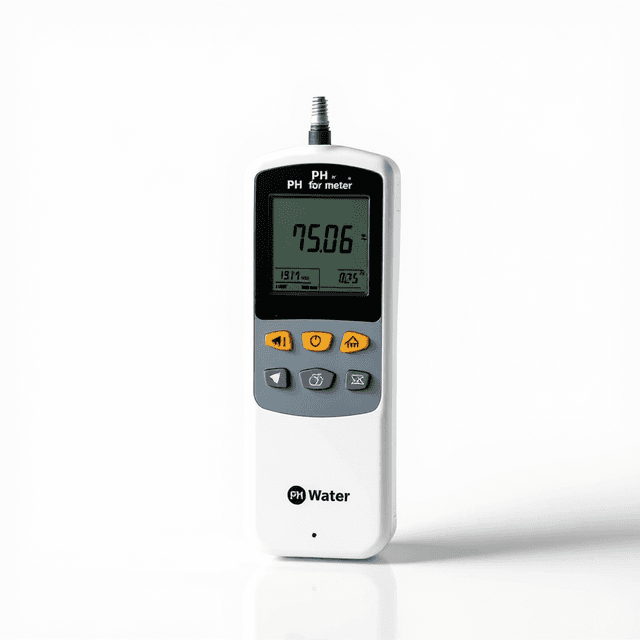
Portable ORP meter measuring redox potential from 0 to ±1999mV with 1mV resolution, featuring waterproof design and data-hold function for environmental and analytical applications.

Louise Corscadden, PhD
Director of Science · ConductScience
Ask Louise about Oxidation Reduction Potential Meter fit, setup, configuration, or quote prep.
Already working with us? Sign in to connect this with My Scientist.
Key Specifications
Full details →- Model fit
- Configured during quote
- SKU family
- CS-LH-ORP-986
- Shipping box
- 7.09 x 2.56 x 1.3 cm
- Ordering
- Online checkout and quote request available
- Category
- Portable Analyzers
- Build notes
- Confirm accessories, station layout, and support needs before purchase
The ConductScience Oxidation Reduction Potential Meter ORP-986 provides precise electrochemical measurements of redox potential in aqueous solutions across a wide measurement range of ±1999mV with 1mV resolution. This portable instrument employs standard platinum electrode technology with a stable reference electrode system to quantify the electron transfer tendency of chemical species in solution, fundamental to understanding oxidative and reductive processes in environmental, pharmaceutical, and analytical applications.
The meter features a waterproof housing suitable for field measurements, integrated data-hold functionality for recording peak values, and a backlit LCD display for operation in varied lighting conditions. Single-point calibration ensures measurement accuracy of ±5mV, while the low-power design provides approximately 700 hours of continuous operation from standard 1.5V batteries, making it suitable for extended field campaigns and routine laboratory monitoring.
How It Works
Oxidation-reduction potential measurement relies on potentiometric detection using a platinum working electrode paired with a stable reference electrode (typically Ag/AgCl). When immersed in solution, the platinum electrode surface equilibrates with redox-active species through electron transfer reactions. The potential difference between the working electrode and reference electrode, measured in millivolts, directly correlates to the solution's capacity to donate or accept electrons relative to the standard hydrogen electrode.
The ORP-986 employs a high-impedance voltmeter to measure this potential difference without drawing significant current, preventing polarization of the electrode system. The platinum electrode acts as an inert electron conductor, allowing reversible redox couples in solution to establish equilibrium at the electrode surface. More positive ORP values indicate oxidizing conditions favoring electron acceptance, while negative values indicate reducing conditions favoring electron donation.
Temperature compensation is critical for accurate measurements since electrode potential varies approximately 2mV per degree Celsius. The instrument's single-point calibration normalizes readings against standard reference solutions to account for electrode aging and surface contamination effects that can shift baseline potential over time.
Features & Benefits
Product name
- oxidation reduction potential meter ORP-986
Measuring range
- 0~±1999mV
Research Domain
- Analytical Chemistry
- Environmental Monitoring
- Food Science
- Microbiology
- Pharmaceutical QC
Model
- ORP-986
Calibration
- 1 point
Operation conditions
- 0~50°C, RH<95%(Without magnetic interference around the meter & conspicuous centrum)
Feature
- ⢠Low voltage warning⢠Small size, portable⢠Waterproof⢠Data-hold⢠Back-lit screen
Automation Level
- manual
Brand
- ConductScience
Accuracy
- ±5mV
Power/Voltage
- 4Ã 1.5V approximately 700 hours of continuous use
Dimensions
- 180Ã65Ã33mm
Weight
- 127g
Shipping weight
- 0.18 lb
Shipping box
- L: 7.09 cm
- W: 2.56 cm
- H: 1.3 cm
| Feature | This Product | Typical Alternative | Advantage |
|---|---|---|---|
| Measurement Range | ±1999mV full scale | Entry-level models often limited to ±1000mV or ±1500mV ranges | Extended range accommodates extreme redox conditions encountered in industrial processes and contaminated environmental samples. |
| Resolution | 1mV precision | Basic meters commonly offer 5mV or 10mV resolution | Higher resolution enables detection of small changes in redox status critical for process optimization and research applications. |
| Accuracy Specification | ±5mV certified accuracy | Portable meters often specify ±10mV or ±20mV accuracy | Improved accuracy provides confidence in quantitative measurements and reduces uncertainty in data interpretation. |
| Battery Life | 700 hours continuous operation | Typical portable meters provide 200-400 hours battery life | Extended operation reduces field maintenance requirements and ensures consistent measurements during long-term monitoring campaigns. |
| Environmental Protection | Waterproof housing design | Many portable units offer splash-resistant but not fully waterproof construction | Full waterproofing protects against equipment damage and measurement errors in harsh field conditions and wet laboratory environments. |
| Calibration System | Single-point calibration with storage | Basic models may lack calibration functions or require manual offset adjustments | Simplified calibration procedure ensures measurement traceability while reducing operator training requirements and protocol complexity. |
The ORP-986 combines extended measurement range, high resolution, and robust construction in a portable package optimized for both field and laboratory applications. The instrument's accuracy specification and battery performance support demanding research protocols while maintaining operational simplicity.
Practical Tips
Perform calibration using fresh standard solutions at ambient temperature and allow electrode to equilibrate for at least 60 seconds before confirming calibration.
Why: Fresh standards prevent measurement drift from buffer degradation and thermal equilibration ensures accurate temperature compensation.
Clean platinum electrode surface weekly with mild abrasive polishing compound followed by thorough deionized water rinse when response becomes sluggish.
Why: Platinum surface contamination from organic compounds and metal deposits reduces electrode sensitivity and causes measurement errors.
Record solution temperature alongside each ORP measurement and maintain consistent sample depth to ensure electrode junction stability.
Why: ORP values are temperature-dependent and proper electrode immersion prevents junction potential variations that affect measurement accuracy.
If readings drift excessively or respond slowly, check electrode junction for air bubbles and refresh internal filling solution if accessible.
Why: Air bubbles in the reference electrode junction disrupt ionic conduction and cause unstable potential readings.
Allow minimum 2-3 minutes stabilization time in each new sample before recording readings, particularly in low ionic strength solutions.
Why: Electrode equilibration time increases in low conductivity media and premature readings will underestimate true ORP values.
Avoid measuring ORP in solutions containing hydrogen sulfide or other sulfur compounds that permanently poison platinum electrodes.
Why: Sulfur compounds form irreversible bonds with platinum surfaces, requiring electrode replacement rather than routine cleaning.
Store calibration standards refrigerated and bring to room temperature before use to prevent thermal shock effects on electrode response.
Why: Temperature gradients can cause temporary electrode instability and affect calibration accuracy until thermal equilibrium is achieved.
Rinse electrode with sample solution before final measurement to remove contamination from previous measurements and equilibrate the junction.
Why: Cross-contamination between samples can cause baseline shifts and the rinse step ensures the electrode surface equilibrates with the target solution chemistry.
Setup Guide
What’s in the Box
- ORP-986 main unit
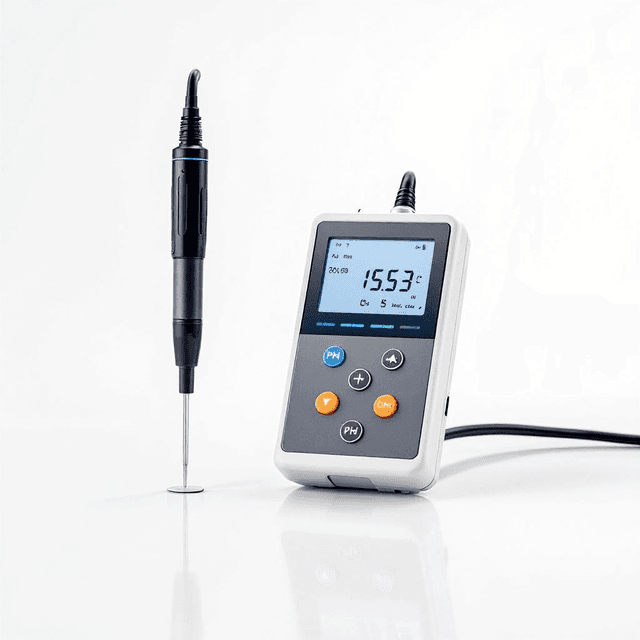
- ORP combination electrode with integrated reference
- Protective electrode cap
- Calibration buffer solution (typical)
- 4 × 1.5V batteries
- User manual
- Carrying case (typical)
Warranty
ConductScience provides a 1-year manufacturer warranty covering defects in materials and workmanship, with technical support available for calibration procedures and electrode maintenance protocols.
Compliance
References
Background reading relevant to this product:
What electrode system does the ORP-986 use and how does it compare to separate electrode configurations?
The ORP-986 uses a combination electrode design integrating a platinum working electrode with an internal Ag/AgCl reference electrode. This configuration provides measurement stability comparable to separate electrode systems while offering improved portability and reduced maintenance compared to traditional dual-electrode setups requiring external reference electrodes.
How frequently should the single-point calibration be performed for research applications?
For research applications requiring high accuracy, calibrate daily or before each measurement session using certified ORP standard solutions (+200mV or +470mV). Environmental field work may extend calibration intervals to weekly, depending on measurement precision requirements and electrode stability observed during use.
What factors can interfere with ORP measurements and how can they be minimized?
Primary interferences include temperature variations (causing ~2mV/°C drift), electrode surface contamination, and solution ionic strength effects. Minimize by recording temperature with each measurement, regular electrode cleaning with appropriate solvents, and maintaining consistent sample ionic strength when comparing measurements across different matrices.
Can the ORP-986 be used for measurements in low-conductivity solutions or organic solvents?
The meter performs optimally in aqueous solutions with moderate to high ionic strength. Low-conductivity solutions may exhibit slow response times and increased measurement uncertainty. Use in organic solvents requires verification of electrode compatibility and may necessitate specialized reference electrode filling solutions.
What is the expected electrode lifetime and how can it be maximized?
Platinum electrode lifetime typically ranges from 6-24 months depending on use frequency and sample matrix. Maximize lifetime by storing electrodes in proper storage solutions, avoiding exposure to sulfide-containing samples that poison platinum surfaces, and performing routine electrode cleaning with appropriate polishing compounds when response becomes sluggish.
How does the measurement accuracy compare to laboratory-grade ORP meters?
The ±5mV accuracy specification is suitable for most field and routine laboratory applications. High-precision research applications may require laboratory instruments with ±1-2mV accuracy, but the ORP-986's performance is adequate for environmental monitoring, process control, and educational applications where extreme precision is not critical.
What data output options are available for integration with data logging systems?
The current model features manual data recording with the hold function and LCD display. Integration with automated data logging requires manual transcription or external data acquisition systems. Consider available upgrades or alternative models if automated data logging is required for research protocols.
Have a question about this product?
Have a question? Just ask.
Send it over and we'll email you a personalized answer — no call, no scheduling.
Prefer to talk it through?
Accessories
Enhance your setup with compatible accessories
Frequently Bought Together