Rabbit Stereotaxic Instrument
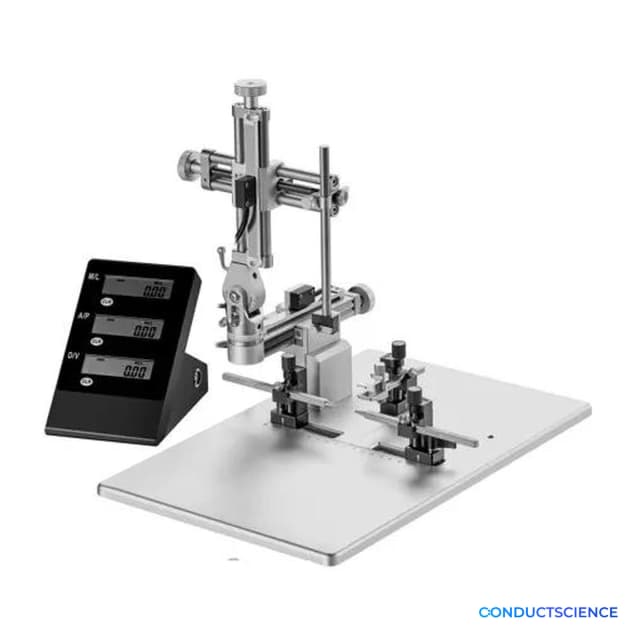
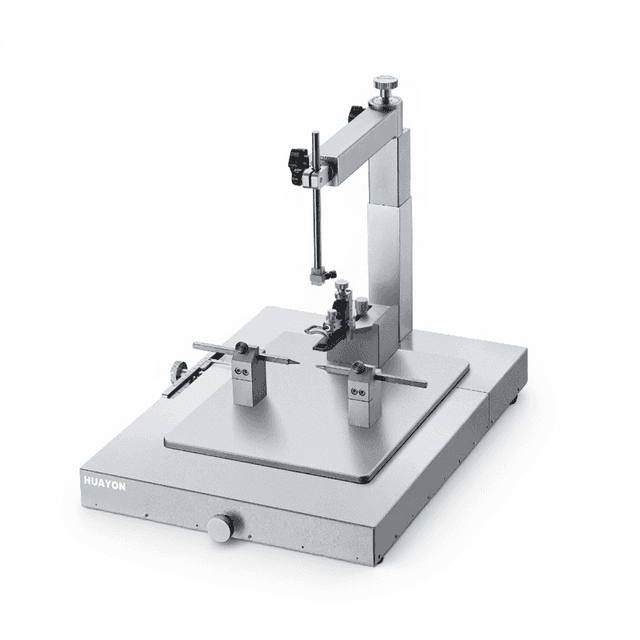
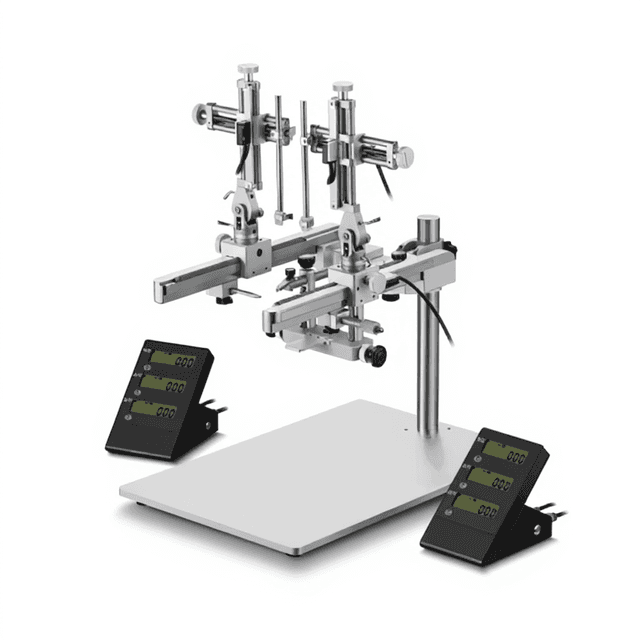
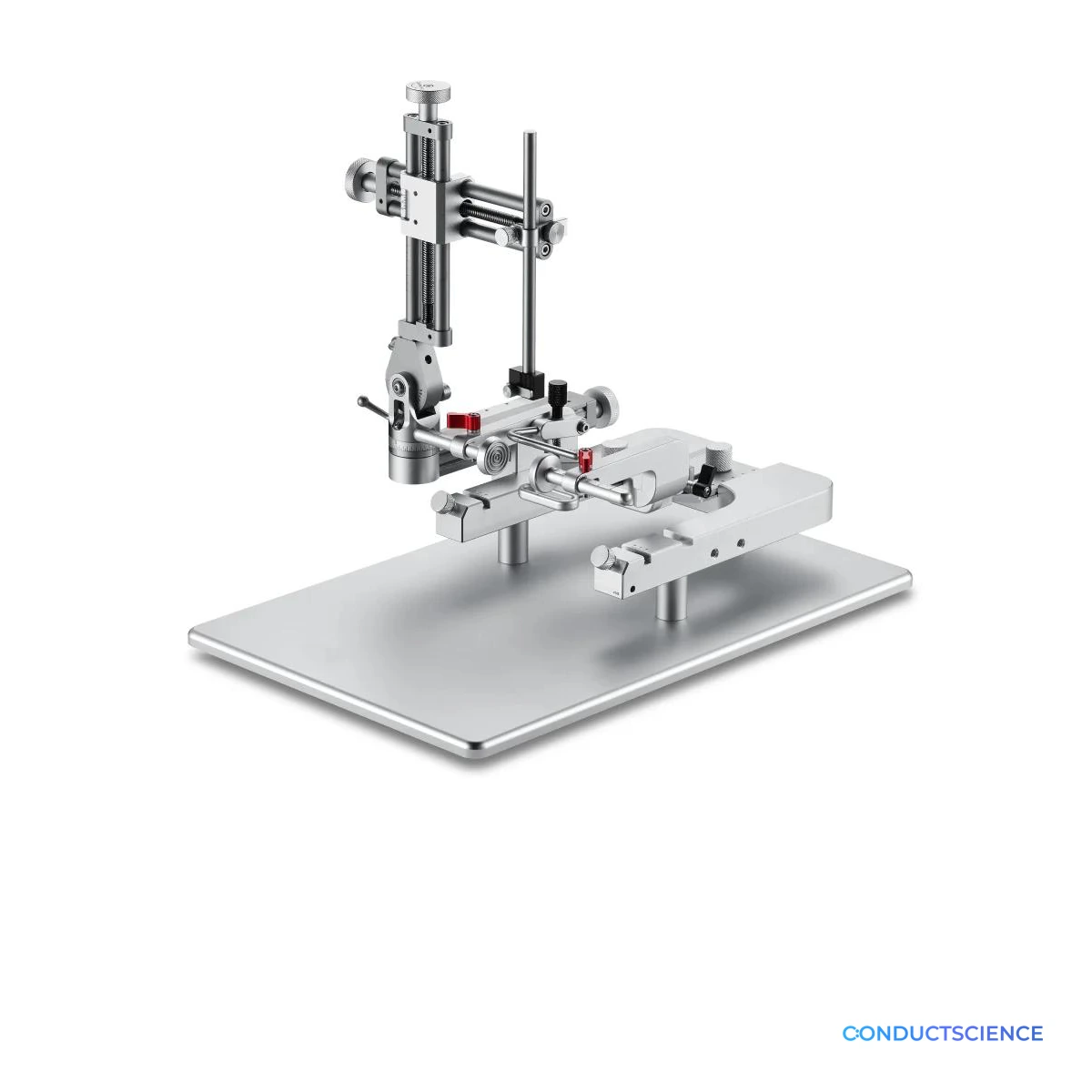
Rabbit stereotaxic instrument for three-dimensional brain positioning in rabbit neuroscience workflows, with rabbit adaptor and paired ear-bar fixation planning, selectable single or dual manipulator layouts, and manual 0.1 mm or digital 0.01 mm coordinate-readout configurations.

Louise Corscadden, PhD
Director of Science · ConductScience
Ask Louise about Rabbit Stereotaxic Instrument fit, setup, configuration, or quote prep.
Already working with us? Sign in to connect this with My Scientist.
Key Specifications
Full details →- Model fit
- 4 selectable configurations
- SKU family
- CS-STX-RABBIT
- Sizing
- Model-specific dimensions confirmed from the selected configuration
- Ordering
- Online checkout and quote request available
- Category
- Stereotaxic Systems
- Build notes
- Confirm accessories, station layout, and support needs before purchase
Overview
The Rabbit Stereotaxic Instrument is a rabbit-focused stereotaxic frame for laboratories that need a stable, species-specific positioning path for coordinate-guided brain research. The source family is built from a U-frame stereotaxic platform with a rabbit adaptor and one-pair ear bars for three-dimensional brain positioning, then gives the lab four configuration choices: single or dual manipulator, each with manual 0.1 mm or digital 0.01 mm readout.
The buying value is species fit and configuration clarity. Rabbit brain-positioning work sits between rodent frames and broad large-animal systems: the animal is larger than a mouse or rat, but the purchasing decision still often depends on adaptor fit, ear-bar fixation, manipulator count, and coordinate readout rather than a fully custom translational frame. This page gives rabbit work its own URL and selector so a scientist can compare rabbit-specific positioning against mixed rodent systems, cat/marmoset adaptor paths, and large-animal stereotaxic locators.
Choose a single-manipulator configuration for focused unilateral targeting, injection, probe placement, electrode positioning, or atlas-referenced access. Choose a dual-manipulator configuration when the workflow benefits from bilateral access, parallel tool staging, or fewer arm changes during setup. Choose the digital configuration when 0.01 mm coordinate readout and LCD-style workflow are useful for operator repeatability; choose manual 0.1 mm when a standard lower-cost positioning path is sufficient.
Scientific Use
Rabbit stereotaxic instruments are used in preclinical neuroscience and translational research when a study needs reproducible skull-referenced positioning in a larger small-animal model. Typical purchasing contexts include intracranial injection planning, cannula or guide placement, electrode or probe positioning, lesion or stimulation workflows, brain-access procedures, and studies where a rabbit adaptor and ear-bar fixation path are more appropriate than adapting a rodent frame.
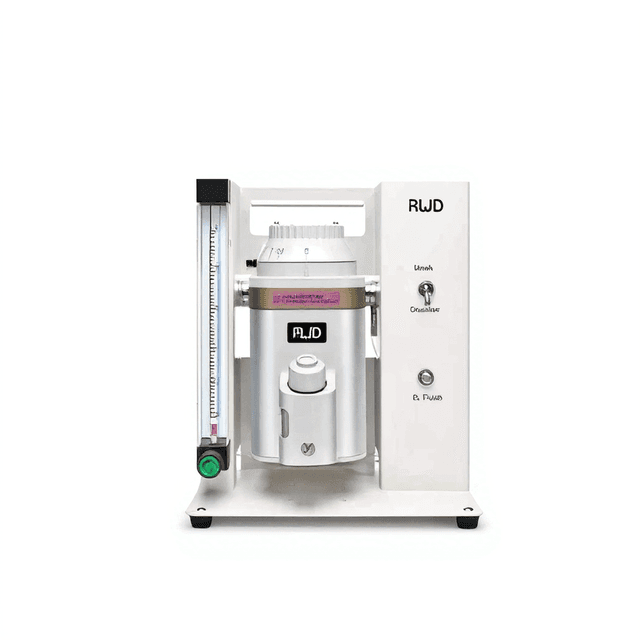
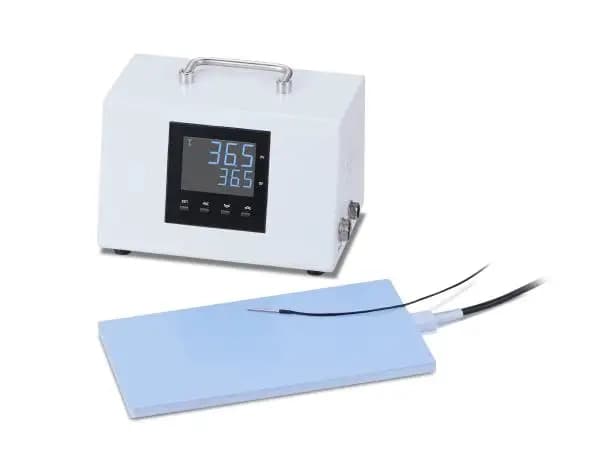
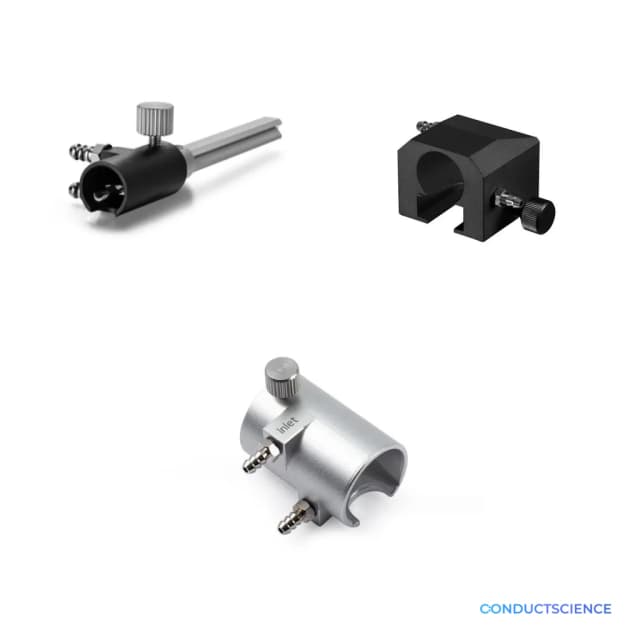
The surrounding station should be planned with stereotaxic anesthesia, warming, monitoring, microdrill or syringe holder needs, atlas or coordinate-planning resources, and any lab-specific adaptor requirements. ConductScience can review the rabbit frame together with large-animal stereotaxic locators, stereotaxic anesthesia products, holders, warming, and support products so the frame selection matches the animal model and workflow.
Buying Fit
Choose this page when the lab specifically needs rabbit stereotaxic positioning and wants a single URL for manual/digital and single/dual manipulator options. Use a broader large-animal locator when the workflow extends to larger translational species, and use the rodent pages when the study is mouse or rat focused.
Features & Benefits
Model fit
- Rabbit stereotaxic positioning and coordinate-guided brain workflows
Positioning path
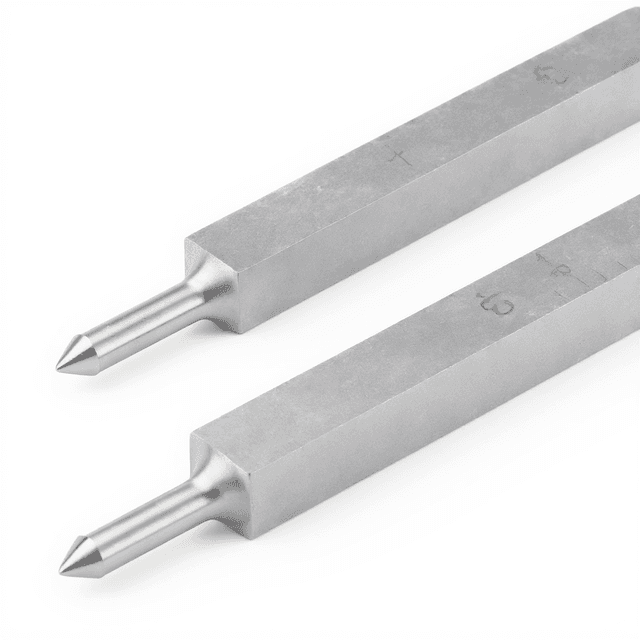
- Rabbit adaptor with one-pair ear bars for three-dimensional brain positioning
Coordinate readout
- Manual 0.1 mm or digital 0.01 mm configurations
Manipulator options
- Single manipulator for focused targeting; dual manipulator for bilateral or parallel-tool workflows
Use fit
- Rabbit intracranial injection, cannula or probe placement, electrode positioning, lesion planning, and atlas-referenced access
Plan with
- Stereotaxic anesthesia, warming, monitoring, microdrill holder, syringe/probe holders, and coordinate-planning resources
| Model | SKU | Listed price | Status | Shipping box |
|---|---|---|---|---|
| Single manipulator, manual 0.1 mm | CS-STX-RABBIT-SM-MAN | $7,398.99 | Available | Confirmed during quote |
| Dual manipulator, manual 0.1 mm | CS-STX-RABBIT-DM-MAN | $8,798.99 | Available | Confirmed during quote |
| Single manipulator, digital 0.01 mm | CS-STX-RABBIT-SM-DIG | $9,998.99 | Available | Confirmed during quote |
| Dual manipulator, digital 0.01 mm | CS-STX-RABBIT-DM-DIG | $11,498.99 | Available | Confirmed during quote |
Practical Tips
Use this page when the study needs rabbit stereotaxic positioning and compare broader large-animal locators only when the same station must extend beyond rabbit work.
Why: Rabbit workflows need adaptor and fixation decisions that are easy to lose on a generic rodent or large-animal product page.
Choose single manipulator for focused unilateral targeting and dual manipulator when the workflow benefits from bilateral access or parallel tool staging.
Why: Manipulator count affects how much repositioning and arm swapping the operator needs during setup and targeting.
Choose manual 0.1 mm for standard positioning or digital 0.01 mm when finer coordinate readout is a buying requirement.
Why: The source family explicitly separates manual and digital configurations by coordinate resolution.
Setup Guide
What’s in the Box
- Rabbit stereotaxic frame configuration selected from the variant menu
- Rabbit adaptor path for U-frame stereotaxic positioning
- One-pair ear-bar fixation workflow for three-dimensional brain positioning
- Selectable single- or dual-manipulator configuration
- Selectable manual 0.1 mm or digital 0.01 mm coordinate-readout configuration
- Accessory and anesthesia-interface planning reviewed with the selected rabbit workflow
Warranty
Support, replacement, and fulfillment terms are confirmed with the final quote and institutional purchasing requirements.
Compliance
Which rabbit stereotaxic configurations are available?
Four selectable configurations are available: single manipulator manual 0.1 mm, dual manipulator manual 0.1 mm, single manipulator digital 0.01 mm, and dual manipulator digital 0.01 mm.
What makes this a rabbit stereotaxic page?
The source family is based on a U-frame stereotaxic platform with a rabbit adaptor path and one-pair ear bars for three-dimensional brain positioning, so the listing is built around rabbit fit rather than a generic rodent frame.
When should I choose dual manipulators?
Choose dual manipulators when the workflow benefits from bilateral access, parallel tool staging, or fewer arm changes during setup. Choose single manipulator for focused unilateral targeting or a simpler station.
When should I choose digital readout?
Choose digital 0.01 mm readout when finer coordinate display is useful for targeting and operator repeatability. Manual 0.1 mm configurations are the lower-cost path for standard rabbit stereotaxic positioning.
What should be planned with the rabbit frame?
Common additions include stereotaxic anesthesia, warming, monitoring, syringe or probe holders, microdrill support, atlas or coordinate-planning resources, and any adaptor review needed for the selected rabbit workflow.
Have a question about this product?
Have a question? Just ask.
Send it over and we'll email you a personalized answer — no call, no scheduling.
Prefer to talk it through?
Accessories
Enhance your setup with compatible accessories
Frequently Bought Together