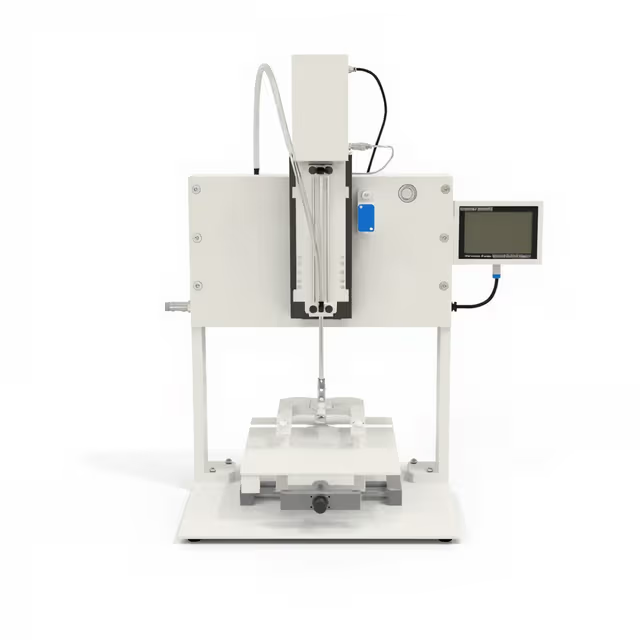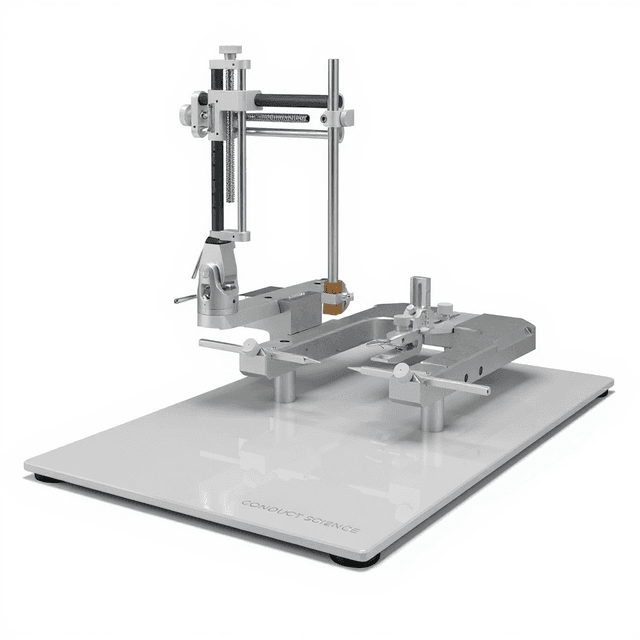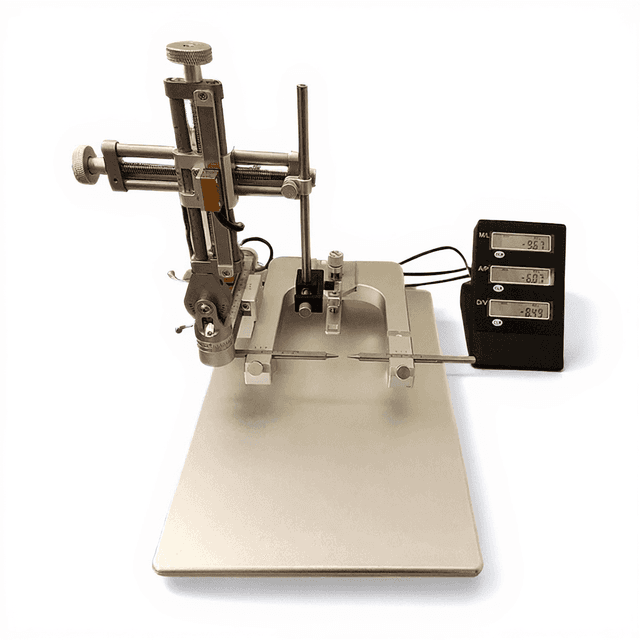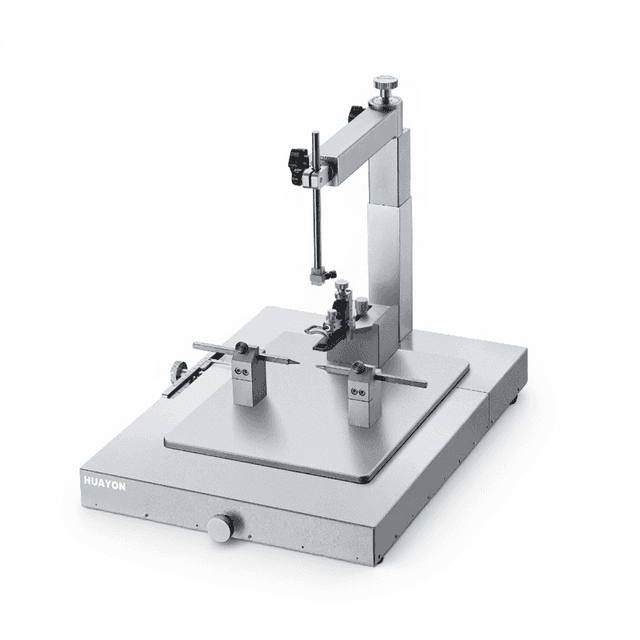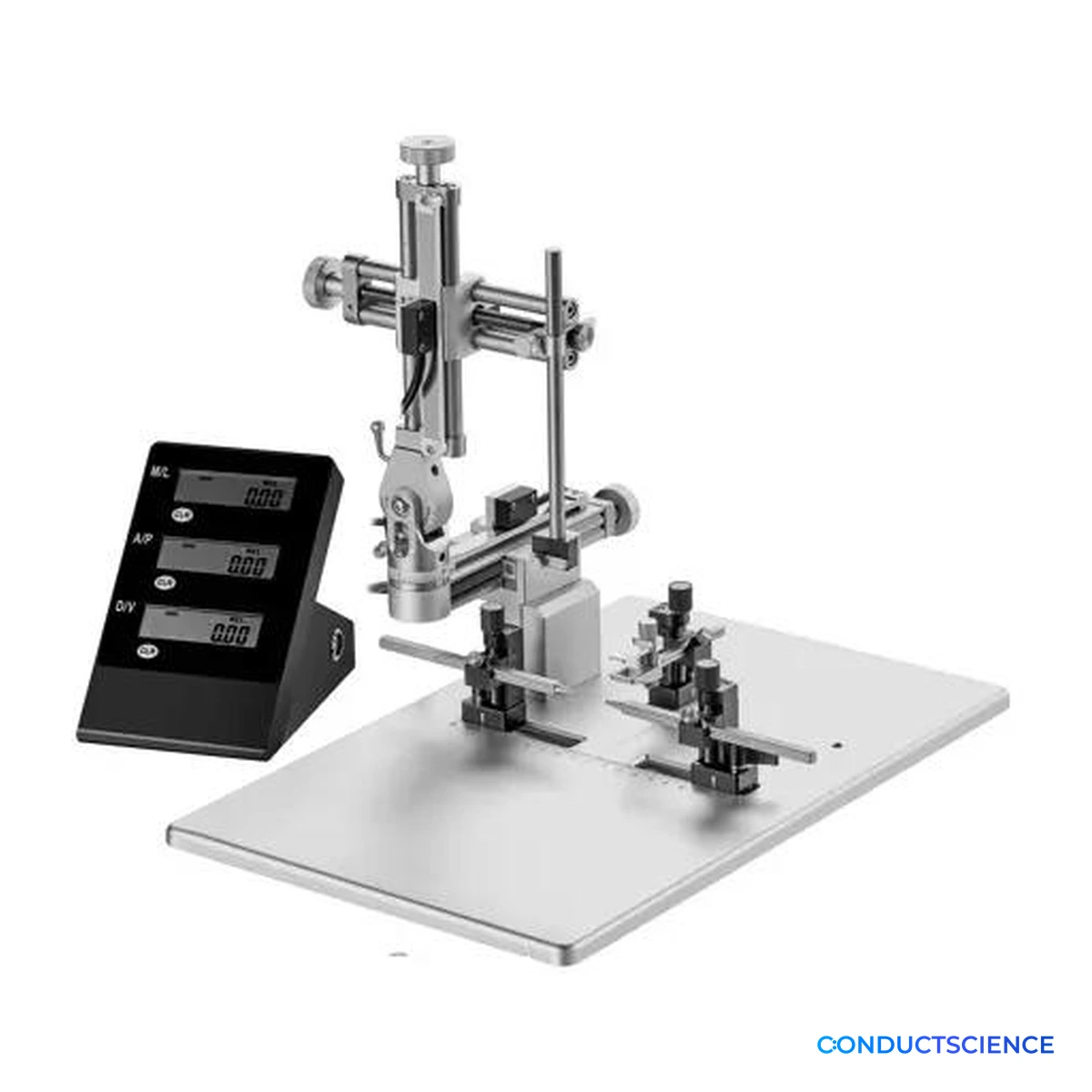
Open-Base Rat and Mouse Stereotaxic Instrument
Open-base rat and mouse stereotaxic instrument with selectable single- or dual-manipulator and manual 0.1 mm or digital 0.01 mm configurations, adjustable mouth-bar and ear-bar posts, rat and mouse nose clips, rat 18 degree ear bars, mouse 60 degree ear bars, and short 18 degree mouse ear bars for microscopy-friendly rodent positioning workflows.

Louise Corscadden, PhD
Director of Science · ConductScience
Ask Louise about Open-Base Rat and Mouse Stereotaxic Instrument fit, setup, configuration, or quote prep.
Already working with us? Sign in to connect this with My Scientist.
Key Specifications
Full details →- Model fit
- 4 selectable configurations
- SKU family
- CS-STX-OB-RM
- Sizing
- Model-specific dimensions confirmed from the selected configuration
- Ordering
- Online checkout and quote request available
- Category
- Stereotaxic Systems
- Build notes
- Confirm accessories, station layout, and support needs before purchase
Overview
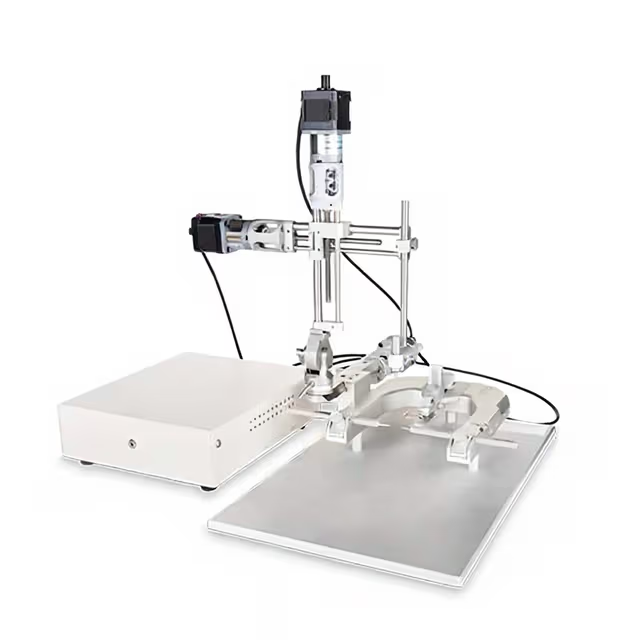
The Open-Base Rat and Mouse Stereotaxic Instrument is a rodent stereotaxic system for labs that need rat and mouse positioning with a more open working field than a conventional U-frame setup. The source configuration is built around an open base, adjustable nose-clip and ear-bar positioning, 32 mm mouth-bar post travel, and 40 mm ear-bar post travel on each side.
The buying value is operating access. A no-U-frame layout creates more room around the animal and frame for microscopes, drills, injection holders, manipulators, and other stereotaxic-adjacent equipment. That makes the page a good fit for labs planning coordinate-guided rodent surgery, microscopy-adjacent setups, microinjection, cannula placement, viral vector delivery, electrode or probe placement, and general stereotaxic positioning workflows.
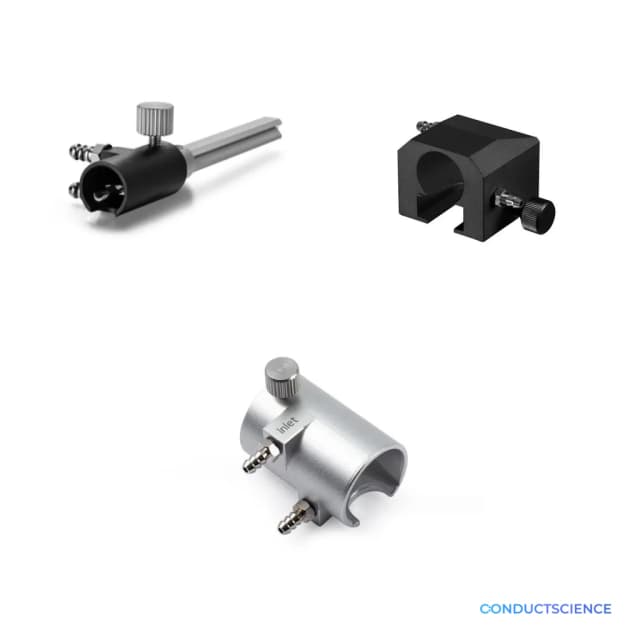
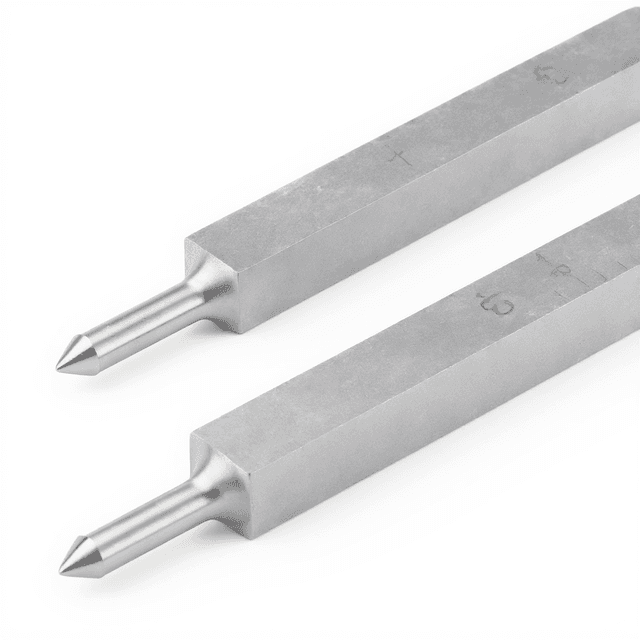
The product is configured as one selectable family instead of four separate PDPs. Choose single manipulator or dual manipulator, then choose manual 0.1 mm or digital 0.01 mm coordinate resolution. The standard source configuration includes rat and mouse nose clips, rat 18 degree ear bars, mouse 60 degree ear bars, and one pair of short 18 degree ear bars for mouse workflows.
Scientific Use
Stereotaxic positioning is used when researchers need reproducible skull-based coordinate access for small-animal neuroscience work. The open-base format is especially useful when the experiment needs extra side access, a larger working envelope, or compatibility planning around two-photon microscopy, drill access, injection hardware, or other third-party equipment placed near the frame.
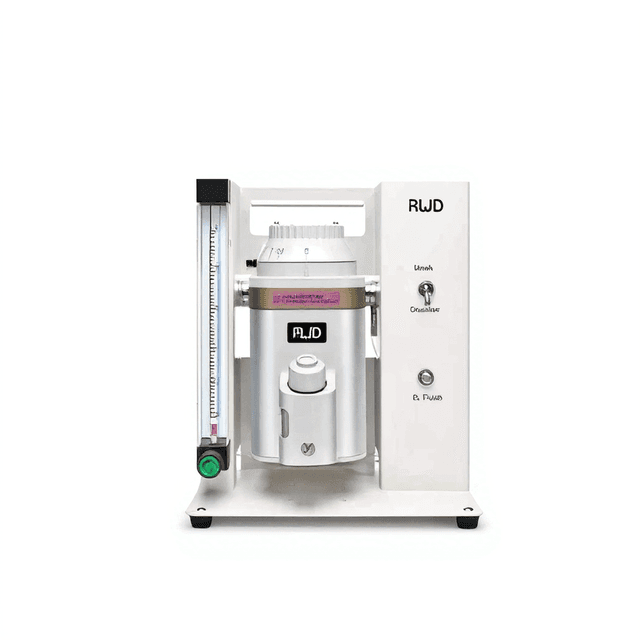
Use this product family when the purchasing decision depends on access geometry and manipulator choice, not only whether the frame is manual or digital. Pair the selected configuration with stereotaxic anesthesia, nose cone masks, syringe or probe holders, microdrill holders, warming, monitoring, and the lab-selected atlas/planning workflow.
Buying Fit
Choose this listing when a standard rodent stereotaxic frame feels too constrained for the procedure layout. The single-manipulator options fit focused unilateral positioning workflows, while the dual-manipulator options support bilateral work, parallel tool setup, or workflows where two arms reduce repositioning time.
Features & Benefits
Model fit
- Mouse and rat stereotaxic positioning workflows
Frame design
- Open-base/no-U-frame layout for wider operating access
Coordinate resolution
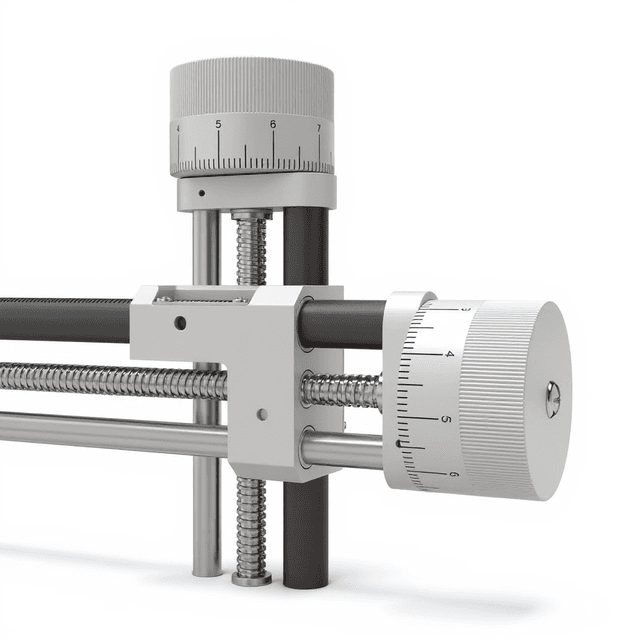
- Manual 0.1 mm or digital 0.01 mm configurations
Adjustment travel
- 32 mm mouth-bar post travel; 40 mm travel for each ear-bar post
Rodent positioning set
- Rat and mouse nose clips, rat 18 degree ear bars, mouse 60 degree ear bars, and short 18 degree mouse ear bars
Plan separately
- Stereotaxic anesthesia, holders, microdrill, injection pump, warming, monitoring, and atlas/trajectory planning tools
| Model | SKU | Listed price | Status | Shipping box |
|---|---|---|---|---|
| Single manipulator, manual 0.1 mm | CS-STX-OB-RM-SM-MAN | $5,598.99 | Available | Confirmed during quote |
| Dual manipulator, manual 0.1 mm | CS-STX-OB-RM-DM-MAN | $6,798.99 | Available | Confirmed during quote |
| Single manipulator, digital 0.01 mm | CS-STX-OB-RM-SM-DIG | $7,498.99 | Available | Confirmed during quote |
| Dual manipulator, digital 0.01 mm | CS-STX-OB-RM-DM-DIG | $9,498.99 | Available | Confirmed during quote |
Practical Tips
Choose single manipulator for focused targeting work and dual manipulator when the workflow benefits from bilateral access or parallel tool staging.
Why: Manipulator count changes how much repositioning the operator needs during injections, drilling, or probe placement.
Use manual 0.1 mm configurations for standard stereotaxic positioning and digital 0.01 mm configurations when fine coordinate readout is a purchasing requirement.
Why: The source family separates manual and digital configurations by coordinate resolution, which is one of the main buying decisions.
Map microscope, drill, injection holder, anesthesia interface, and warming equipment around the open-base frame before finalizing accessories.
Why: The open-base value is extra operating space; the station should be planned around the equipment that needs that access.
Setup Guide
What’s in the Box
- Open-base stereotaxic frame for rat and mouse workflows
- Selectable single- or dual-manipulator configuration
- Selectable manual 0.1 mm or digital 0.01 mm coordinate configuration
- Rat and mouse nose clips
- Rat 18 degree ear bars
- Mouse 60 degree ear bars
- One pair of short 18 degree ear bars for mouse workflows
- Adjustable mouth-bar post with 32 mm travel
- Adjustable ear-bar posts with 40 mm travel each
Warranty
Support, replacement, and fulfillment terms are confirmed with the final quote and institutional purchasing requirements.
Compliance
What makes this different from a standard U-frame stereotaxic system?
The open-base/no-U-frame layout gives the operator more working space around the animal and frame, which helps when microscopes, drills, injection hardware, or other equipment need side access.
Which configurations are available?
The page offers four selectable configurations: single manipulator manual 0.1 mm, dual manipulator manual 0.1 mm, single manipulator digital 0.01 mm, and dual manipulator digital 0.01 mm.
Does it support both mice and rats?
Yes. The source configuration is specified for rat and mouse stereotaxic workflows and includes rat and mouse nose clips plus rat 18 degree, mouse 60 degree, and short 18 degree mouse ear bars.
When should I choose a dual-manipulator configuration?
Choose dual manipulator when the workflow benefits from bilateral positioning, parallel tool staging, or fewer arm changes during drilling, injection, or probe-placement steps.
What accessories complete the setup?
Common additions include stereotaxic nose cone masks, stereotaxic-compatible anesthesia, syringe or probe holders, microdrill holders, warming, monitoring, and atlas or trajectory-planning tools.
Have a question about this product?
Have a question? Just ask.
Send it over and we'll email you a personalized answer — no call, no scheduling.
Prefer to talk it through?
Accessories
Enhance your setup with compatible accessories
Frequently Bought Together