Category

Behavioral neuroscience

Methods and tools for studying behavior and brain function across animal and human research models, including experimental design, analysis, and interpretation.

Articles in category
96
Categories
42
Dark Side Time Percentage: A Standardized Measure of Anxiety in the Light/Dark Box Test
Behavioral neuroscience4 min read

Dark Side Time Percentage: A Standardized Measure of Anxiety in the Light/Dark Box Test

Learn More about our Services and how can we help you with your research! Click here Introduction Time Percentage Interpretation CS L/D Box Dataset Prioritize Practices Conclusion The Need for Standardized Anxiety Metrics In the landscape of behavioral neuroscience, the Light/Dark Box Test remains a cornerstone assay for assessing anxiety-like behaviors in rodents. Traditionally, researchers […]

Read article
Top 5 Alternatives to Zebrabox for Microplate Behavioral Tracking (2025 Edition)
Behavioral neuroscience3 min read

Top 5 Alternatives to Zebrabox for Microplate Behavioral Tracking (2025 Edition)

Conduct Science | High-Throughput Behavioral Research Redefined The New Frontier in Behavioral Screening In today’s fast-paced research world, finding the best alternatives to Zebrabox for microplate behavioral tracking is critical. Whether you’re screening zebrafish larvae, Drosophila, juvenile rodents, or new drug compounds, you need flexible, AI-driven systems built for true high-throughput analysis. For years, Zebrabox […]

Top 5 Alternatives to SMART 3.0 for Behavioral Tracking (2025 Edition)
Behavioral neuroscience3 min read

Top 5 Alternatives to SMART 3.0 for Behavioral Tracking (2025 Edition)

Top 5 Alternatives to SMART 3.0 for Behavioral Tracking (2025 Edition) Conduct Science | Next-Generation Behavioral Research, Simplified The Evolution of Behavioral Tracking Behavioral neuroscience is advancing rapidly. Researchers today demand higher resolution, markerless tracking, multi-species support, and batch processing capabilities that older systems struggle to deliver. SMART 3.0 (developed by Panlab/Harvard Apparatus) has been […]

Top 5 Alternatives to EthoVision XT for Multi-Species Tracking (2025 Edition)
Behavioral neuroscience3 min read

Top 5 Alternatives to EthoVision XT for Multi-Species Tracking (2025 Edition)

Conduct Science | Multi-Species Behavioral Research, Made Simple One Platform for All Your Animal Models? Alternatives to EthoVision XT for multi-species tracking, Whether you’re studying zebrafish shoaling, Drosophila activity, rodent social interaction, or even avian flight behavior, your tracking system needs to be just as versatile as your research questions. EthoVision XT, developed by Noldus, […]

Top 5 Alternatives to ANY-maze for Behavioral Tracking (2025 Edition)
Behavioral neuroscience2 min read

Top 5 Alternatives to ANY-maze for Behavioral Tracking (2025 Edition)

Behavioral Research Needs Are Evolving ANY-maze has been a staple of behavioral tracking for years—helping labs automate simple video tracking for rodents across various mazes. However, as scientific demands evolve, researchers increasingly seek higher frame rates, markerless tracking, multi-animal tracking, and AI-driven precision to uncover deeper behavioral insights. Today’s behavioral neuroscience labs need more than […]

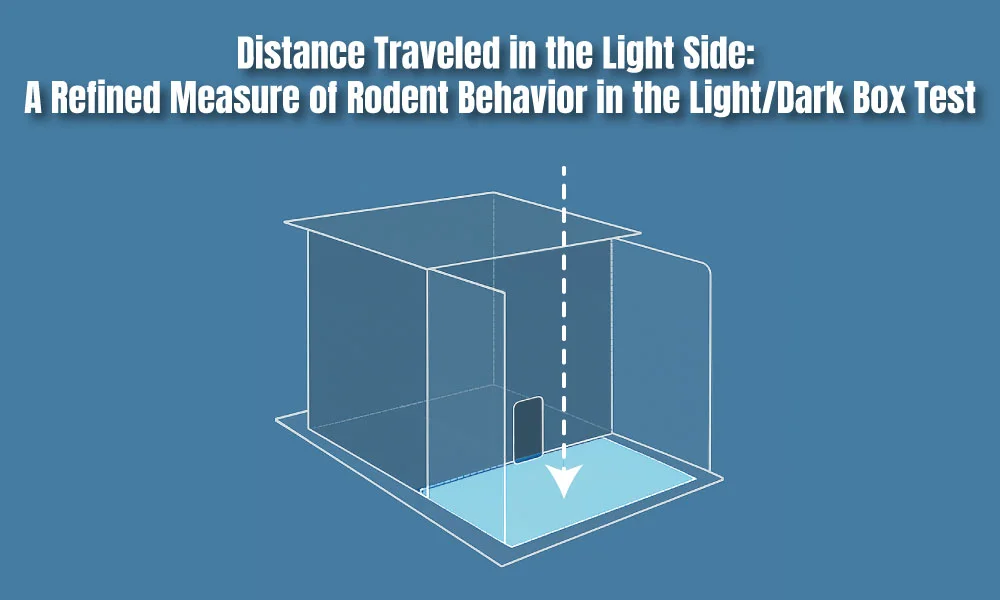
Distance Traveled in the Light Side: A Refined Measure of Rodent Behavior in the Light/Dark Box Test
Behavioral neuroscience4 min read

Distance Traveled in the Light Side: A Refined Measure of Rodent Behavior in the Light/Dark Box Test

Learn More about our Services and how can we help you with your research! Click here Introduction Scientific Rationale Hardware & Software Experimental Application Prioritize Integration Conclusion Dissecting Exploratory Behavior through Spatial Locomotion Metrics The Light/Dark Box Test remains one of the most robust, ethologically relevant paradigms for evaluating anxiety-like behaviors in rodent models. Its […]
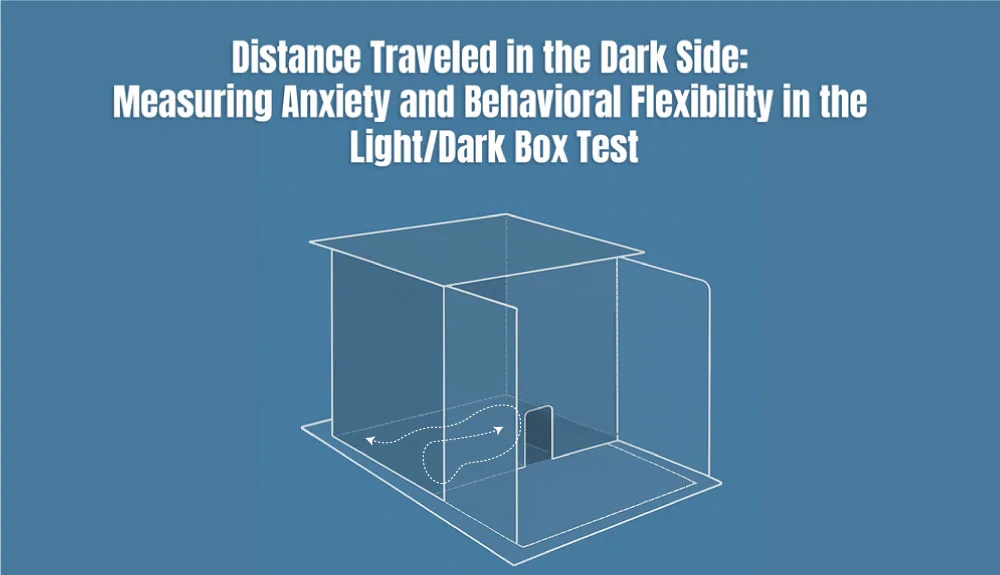
Distance Traveled in the Dark Side: Measuring Anxiety and Behavioral Flexibility in the Light/Dark Box Test
Behavioral neuroscience4 min read

Distance Traveled in the Dark Side: Measuring Anxiety and Behavioral Flexibility in the Light/Dark Box Test

Learn More about our Services and how can we help you with your research! Click here Introduction Focus Features Case Study When is informative? Recommendations Conclusion Moving Beyond Time-Based Measures of Anxiety In behavioral neuroscience, the Light/Dark Box Test is one of the most widely used assays for assessing anxiety-like behaviors in rodents. Traditionally, researchers […]

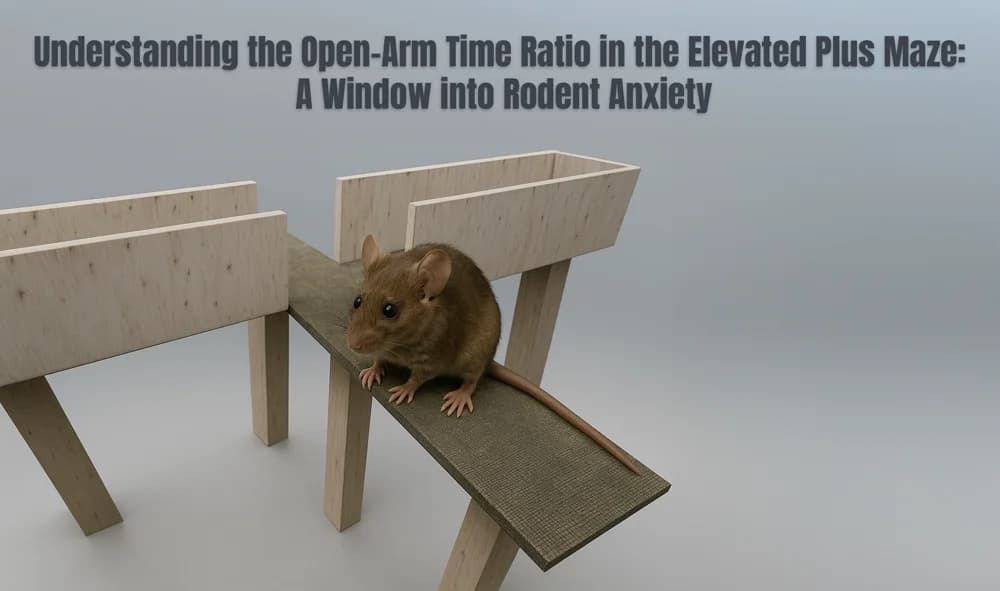
Understanding the Open-Arm Time Ratio in the Elevated Plus Maze: A Window into Rodent Anxiety
Behavioral neuroscience6 min read

Understanding the Open-Arm Time Ratio in the Elevated Plus Maze: A Window into Rodent Anxiety

Learn More about our Services and how can we help you with your research! Click here Introduction What is? Theoretical Basis Why? Practices Keys Limitations Impact Conclusion Introduction The Elevated Plus Maze (EPM) is a cornerstone behavioral assay for assessing anxiety-like behavior in rodent models. Among its various quantitative outputs, one of the most widely […]

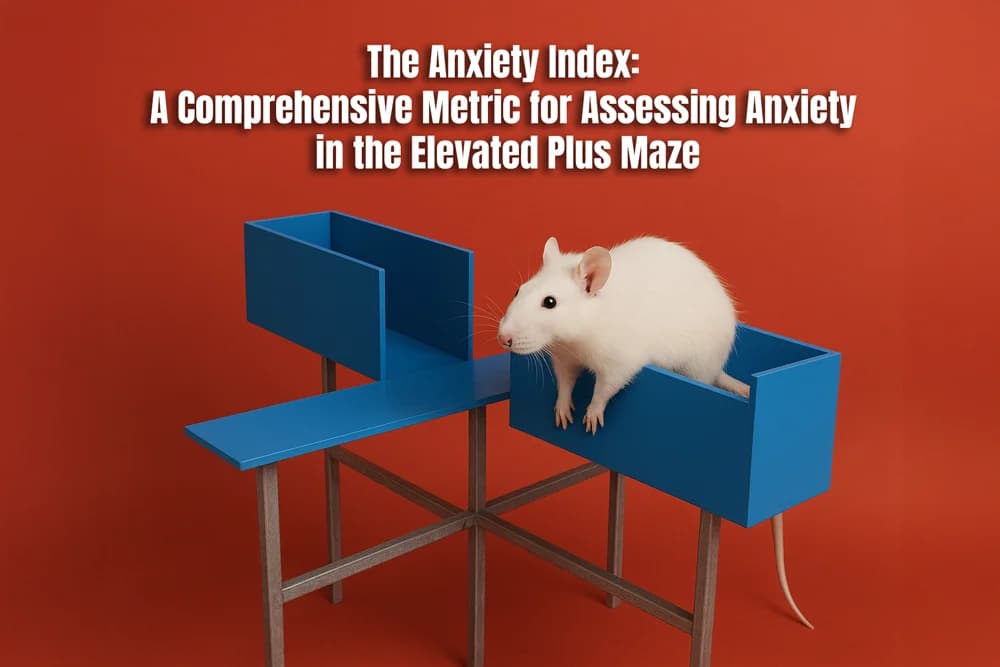
The Anxiety Index: A Comprehensive Metric for Assessing Anxiety in the Elevated Plus Maze
Behavioral neuroscience8 min read

The Anxiety Index: A Comprehensive Metric for Assessing Anxiety in the Elevated Plus Maze

Learn More about our Services and how can we help you with your research! Click here Introduction What is? Components Combination Why? Considerations Applications Limitations Conclusion Introduction In the world of behavioral neuroscience, the Elevated Plus Maze (EPM) has earned its place as one of the most widely used paradigms for studying anxiety in rodents. […]

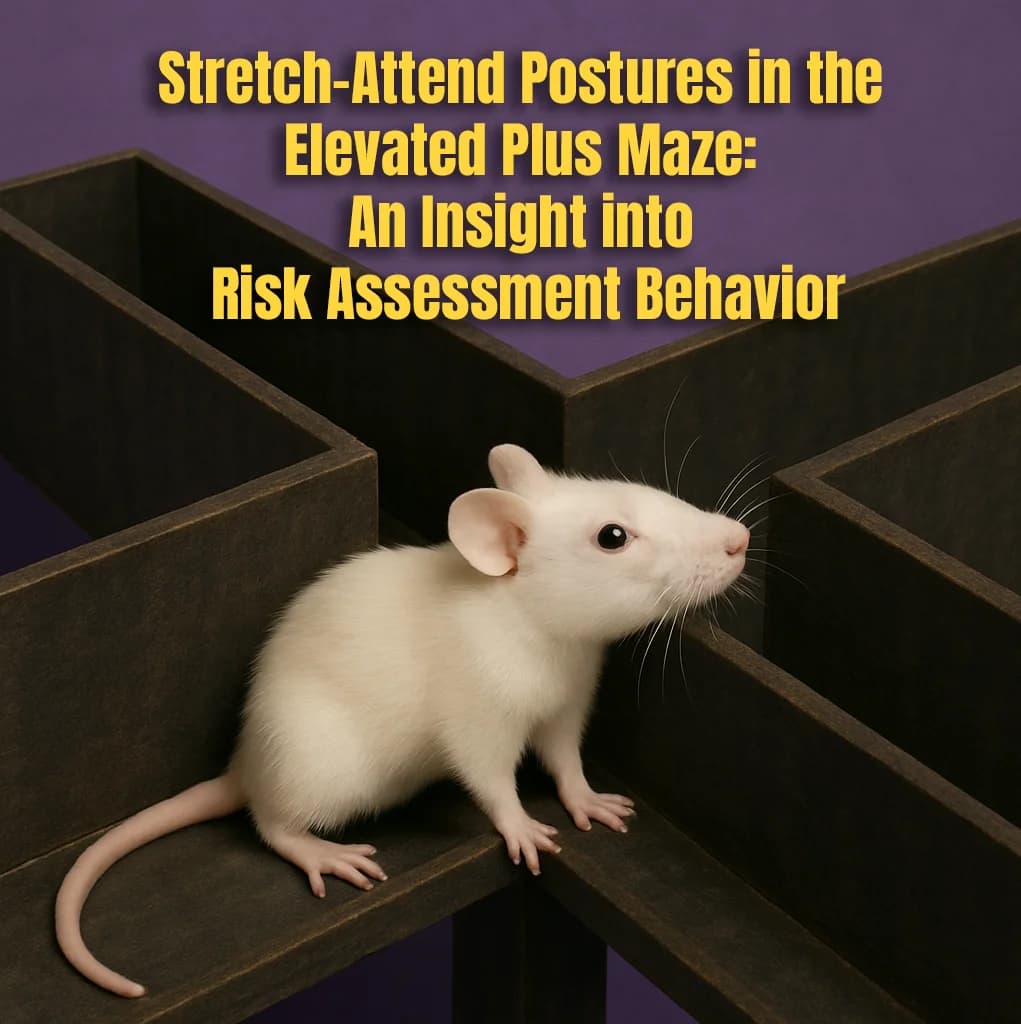
Stretch-Attend Postures in the Elevated Plus Maze: An Insight into Risk Assessment Behavior
Behavioral neuroscience5 min read

Stretch-Attend Postures in the Elevated Plus Maze: An Insight into Risk Assessment Behavior

Learn More about our Services and how can we help you with your research! Click here Introduction What are? Stretch-Attend Considerations Importance Limitations Conclusion Introduction In behavioral neuroscience, the Elevated Plus Maze (EPM) is a pivotal tool for assessing anxiety-like behaviors in rodents. Among the various behavioral indicators observed in the maze, Stretch-Attend Postures (SAP) […]

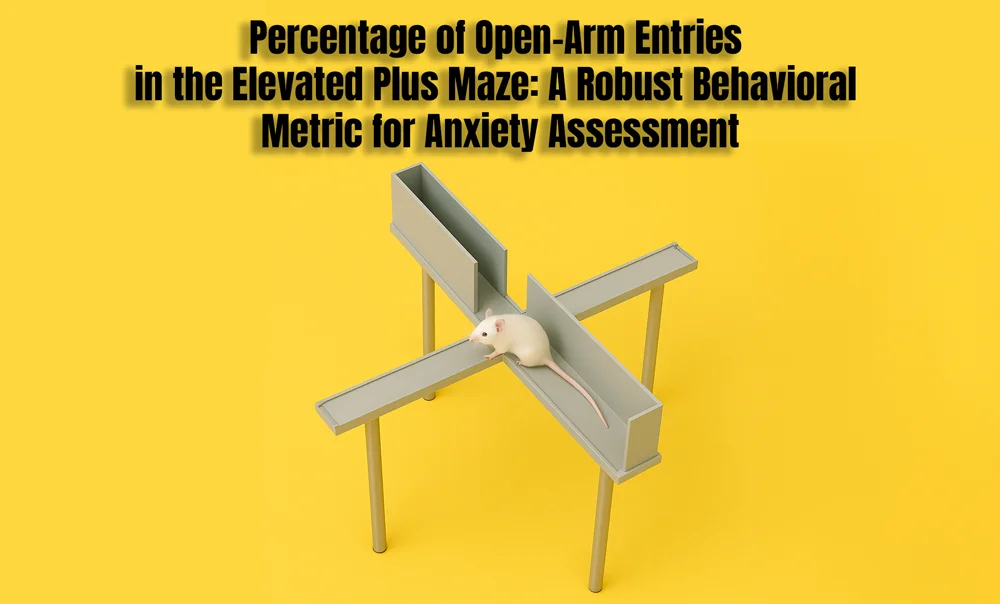
Percentage of Open-Arm Entries in the Elevated Plus Maze: A Robust Behavioral Metric for Anxiety Assessment
Behavioral neuroscience5 min read

Percentage of Open-Arm Entries in the Elevated Plus Maze: A Robust Behavioral Metric for Anxiety Assessment

Learn More about our Services and how can we help you with your research! Click here Introduction What is? Maze Measurement Methodological Applications Limitations Conclusion Introduction In the field of behavioral neuroscience, the Elevated Plus Maze (EPM) remains a cornerstone assay for investigating anxiety-like behaviors in rodents. Among the array of behavioral metrics used to […]

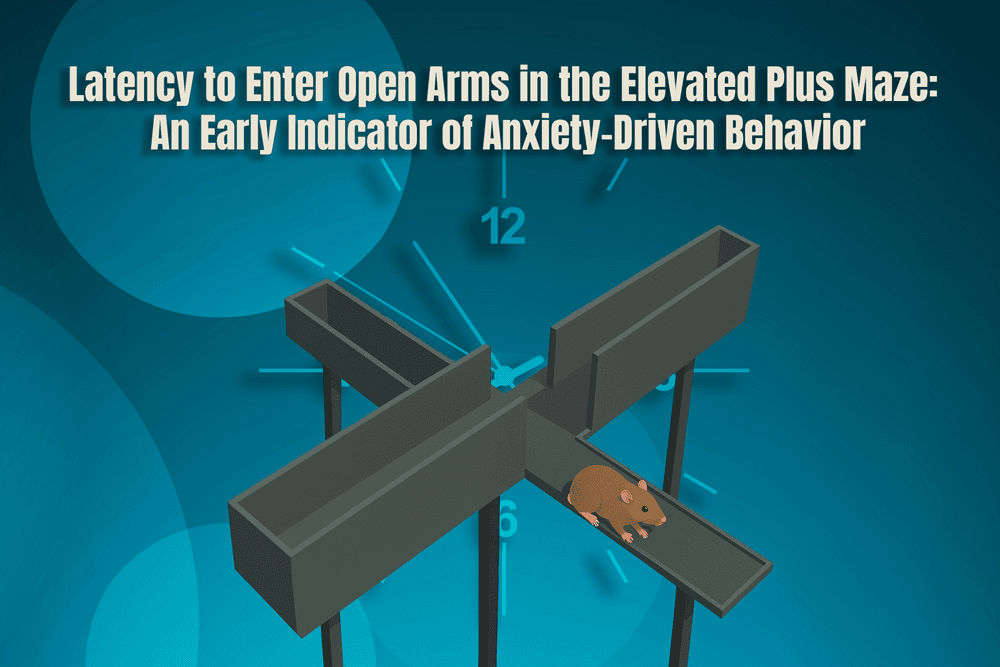
Latency to Enter Open Arms in the Elevated Plus Maze: An Early Indicator of Anxiety-Driven Behavior
Behavioral neuroscience5 min read

Latency to Enter Open Arms in the Elevated Plus Maze: An Early Indicator of Anxiety-Driven Behavior

Learn More about our Services and how can we help you with your research! Click here Introduction What is? Why? Best Practices Interpretation Applications Limitations Conclusion Introduction In behavioral neuroscience, latency-based metrics serve as sensitive indicators of emotional states, particularly within anxiety research. Among these, “Latency to Enter Open Arms” in the Elevated Plus Maze […]

Looking for Behavioral neuroscience equipment?

Browse the ConductScience catalog — all apparatus, software, and services in one place.

Browse the catalog