Category

Laboratory Techniques & Protocols

Browse every Laboratory Techniques & Protocols article from the ConductScience research team — experiments, protocols, and reviews from the lab.

Articles in category
99
Categories
42
Histochemistry: Visualizing Cellular Chemistry
Laboratory Techniques & Protocols8 min read

Histochemistry: Visualizing Cellular Chemistry

Histochemistry is comprised of two words Histo & Chemistry, which means the chemistry of tissues. In the year 1800, histochemistry became a part of science and now it is one of the most widely used techniques to help scientists localize and visualize cellular components, tissues, and other living structures.[3] This technique uses different stains and […]

Read article
Nuclear Magnetic Resonance Spectroscopy
Laboratory Techniques & Protocols12 min read

Nuclear Magnetic Resonance Spectroscopy

Reference to this article: ConductScience, Nuclear Magnetic Resonance Spectroscopy (2019). doi.org/10.55157/CS20191121 Two molecules may have the same number and type of atoms, but their properties would change depending on how they are arranged (i.e., the bonds linking them and their orientation). As an example, Ethanol and Dimethyl ether, both have one oxygen, two carbon, and […]

Quinolinic acid rat HD model
Laboratory Techniques & Protocols9 min read

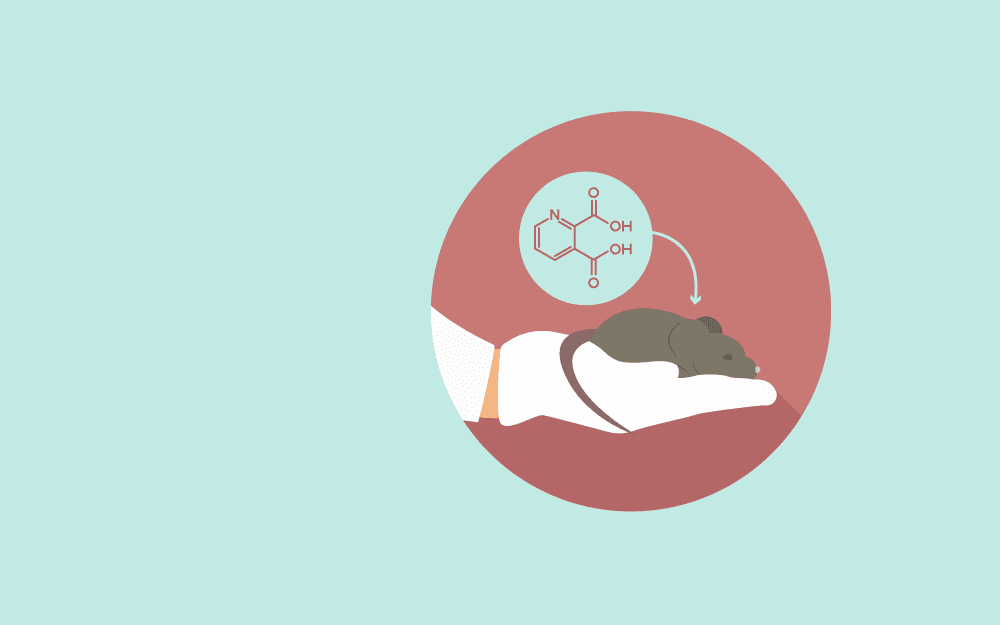
Quinolinic acid rat HD model

Introduction Huntington’s disease (HD) is an inherited autosomal dominant neuropathological disease caused by a mutation in the huntingtin gene (htt). Preclinical animal models are necessary for the study of HD and the development of therapeutic interventions for the disease. Ideally, an animal model should demonstrate all the behavioral and neuropathological characteristics observed in HD patients. […]

3-Nitropreopionic acid Huntington’s disease model
Laboratory Techniques & Protocols11 min read

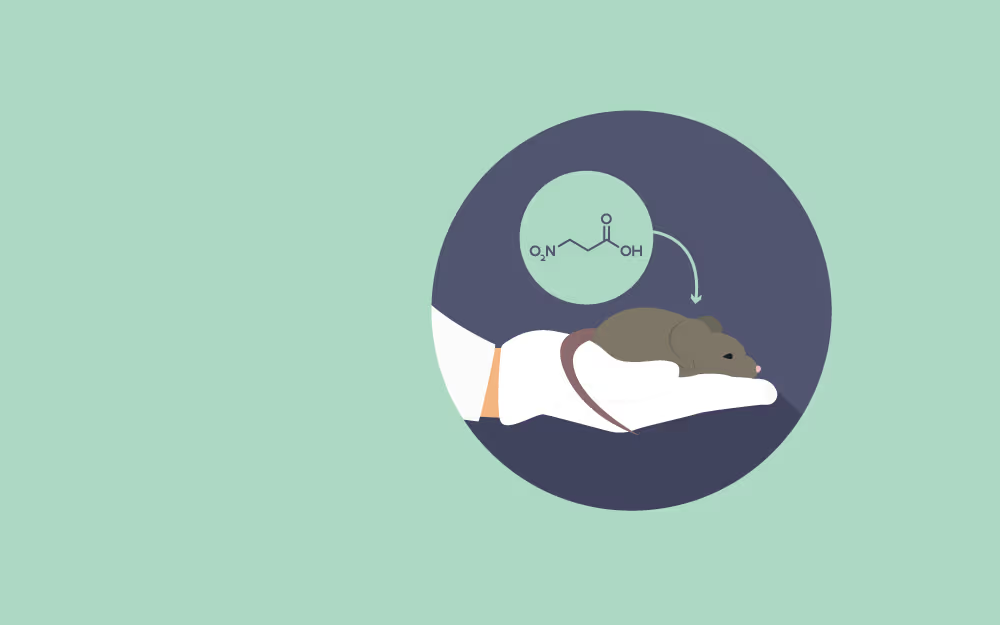
3-Nitropreopionic acid Huntington’s disease model

Introduction 3-Nitropropionic acid (3-NP) is a selective striatal neurotoxin used in rodents to mimic pathological features of Huntington’s disease. 3-Nitropropionic acid interrupts the mitochondrial electron transport chain. This mycotoxin is an inhibitor of succinate dehydrogenase, an enzyme responsible for the oxidation of succinate to fumarate. This process reduces ATP production and causes oxidative stress. Generally, […]

Weight Drop Injury Model
Laboratory Techniques & Protocols9 min read

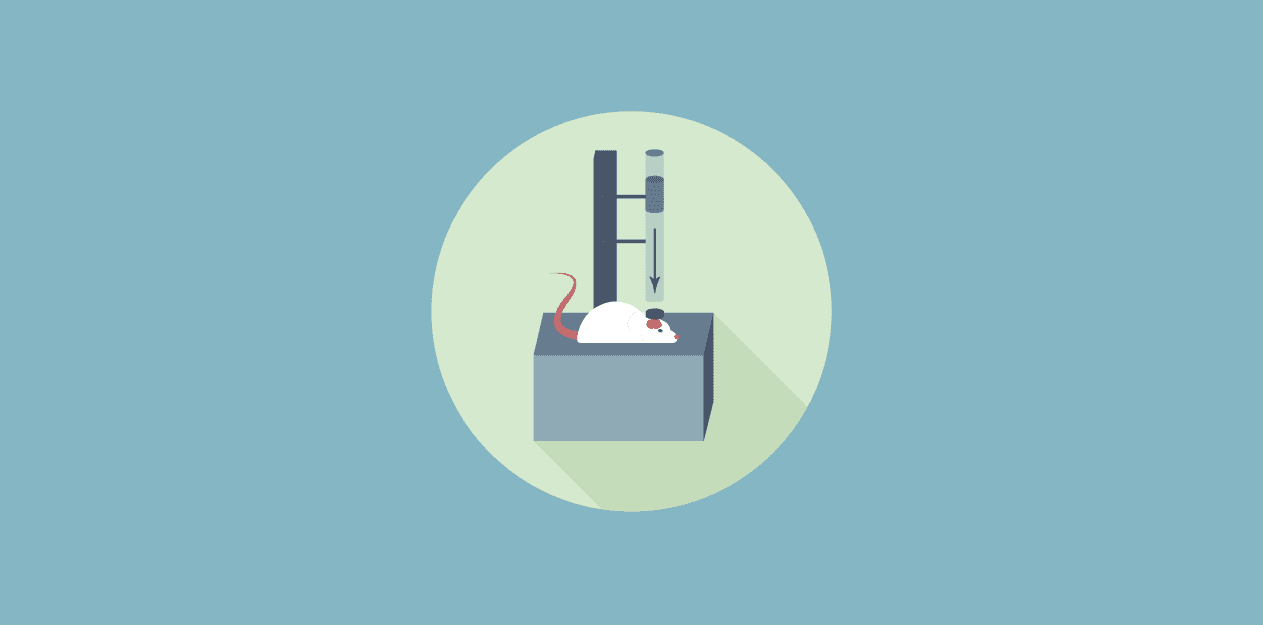
Weight Drop Injury Model

Introduction Traumatic brain injury (TBI) is one of the most common brain injuries caused by an external impact or pressure, such as rapid acceleration or deceleration, crushing, and projectile penetration. Following TBI, cognitive, physical, and psychosocial functions are impaired depending on the severity of the injury. To investigate TBI, several animal models of experimental traumatic […]

6-OHDA rat models
Laboratory Techniques & Protocols13 min read

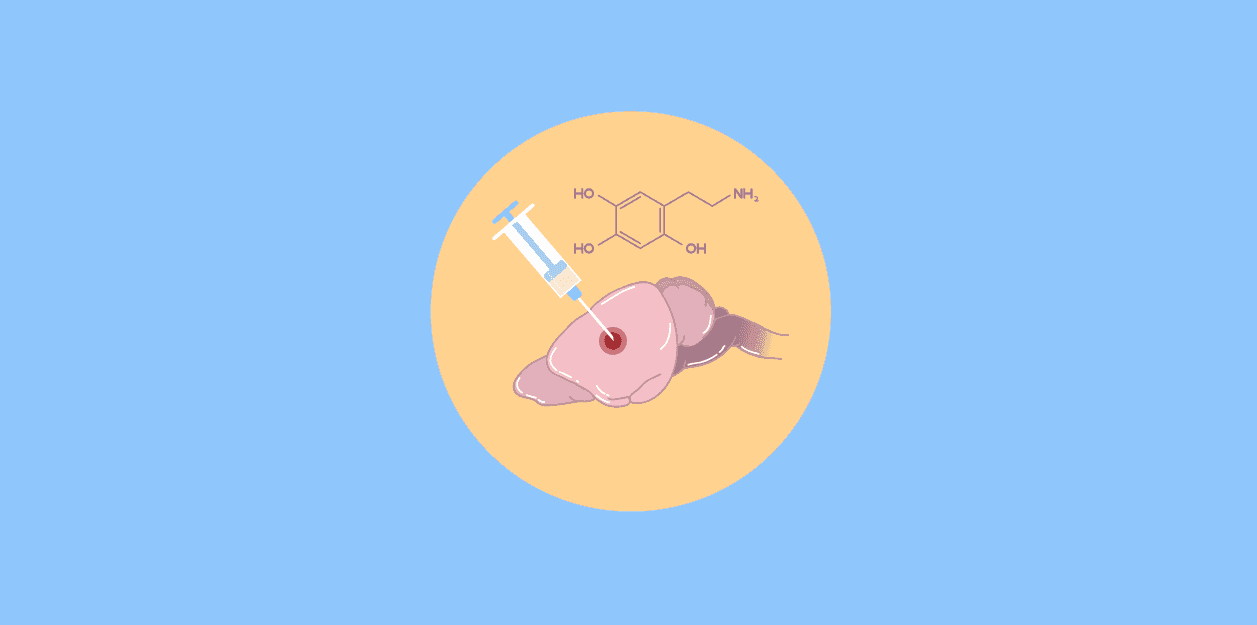
6-OHDA rat models

Parkinson’s disease (PD) is the most common neurological disorder that is characterized by debilitating motor abnormalities, including muscle rigidity, resting tumor, stiffer voluntary movements, and postural instability. Primary neuropathological condition of PD includes progressive degeneration of the dopaminergic neurons in the nigrostriatal area. Experimental models of PD are specifically designed to gain detailed insights into […]

Animal Models of Traumatic Brain Injury
Laboratory Techniques & Protocols11 min read

Animal Models of Traumatic Brain Injury

Introduction The use of animal models for studying traumatic brain injury (TBI) has several advantages, including low breeding costs, easy maintenance, and innovative techniques to create genetically modified strains. Rodent models provide powerful tools to screen and characterize putative therapeutic targets in TBI. These models efficiently recapitulate several clinical features of TBI such as closed […]

Rodent Craniotomy Protocol
Laboratory Techniques & Protocols6 min read

Rodent Craniotomy Protocol

Introduction A craniotomy is a surgical procedure used to temporarily open a part of the skull to expose the brain for experimental manipulations. Research developments over the past two decades have made craniotomy safer, simpler, and more successful. In craniotomy, a bone flap is removed from the skull to reach the internal brain. Craniotomies are […]

Controlled Cortical Impact for Traumatic Brain Injury
Laboratory Techniques & Protocols9 min read

Controlled Cortical Impact for Traumatic Brain Injury

Introduction Traumatic brain injury (TBI) is referred to as alteration or dysfunctionality in brain function, or brain pathology resulting from external trauma or force. TBI is a serious health condition because of its complexity and wide-reaching effects, including lesions, necrosis, and axon degeneration. Research on traumatic brain injury has been challenging because no two injuries […]

Fluid Percussion Injury
Laboratory Techniques & Protocols11 min read

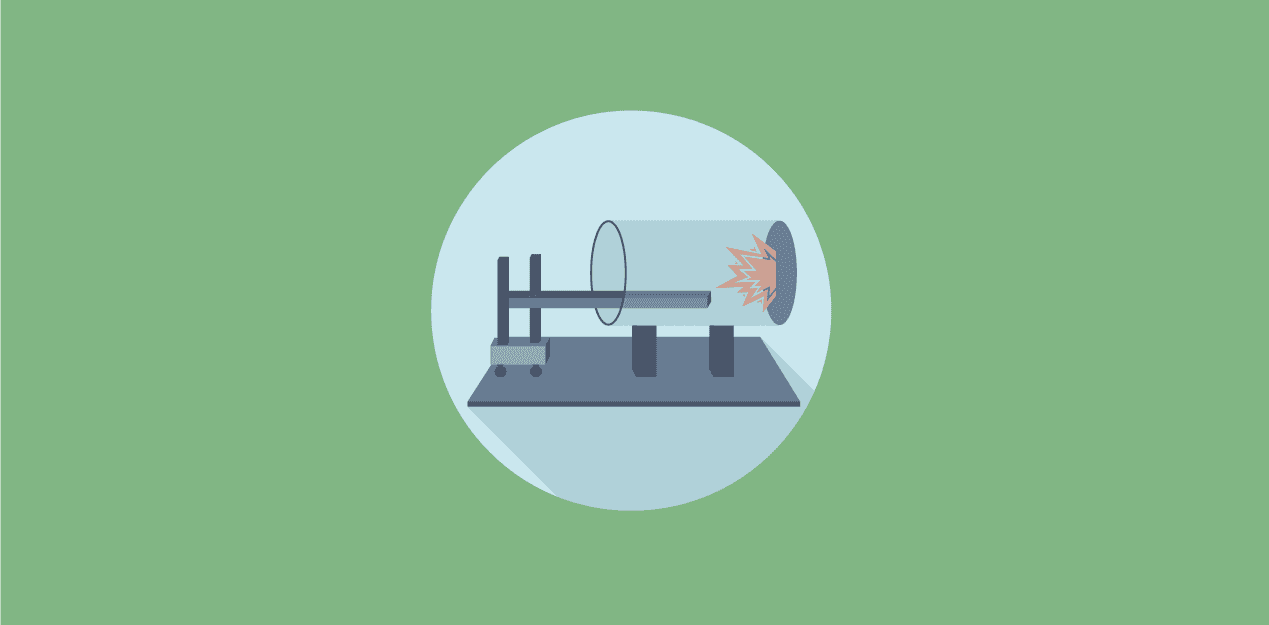
Fluid Percussion Injury

Need impactors for your experiments? Click here Introduction The fluid percussion injury (FPI) model is a widely used study model for traumatic brain injury. FPI model produces an injury through a craniectomy by applying a momentary fluid pressure pulse on to the exposed dura. This pulse is created by a pendulum striking to the piston […]

Huntington’s Disease Rodent Models
Laboratory Techniques & Protocols8 min read

Huntington’s Disease Rodent Models

Introduction ]Huntington’s disease (HD) is an inherited genetic neurological disorder characterized by cognitive dysfunction, abnormal body movements, progressive cell death, and neurodegeneration of the striatum and cerebral cortex. HD is a dominantly inherited disorder caused by a genetic mutation in the IT15 gene. This mutation is an abnormally expanded and unstable CAG repeat within the […]

Parkinson’s Disease Rat Models
Laboratory Techniques & Protocols10 min read

Parkinson’s Disease Rat Models

Introduction Parkinson’s disease (PD) is a common neurodegenerative disease characterized by the loss of 50% to 70% of the dopaminergic neurons in the substantia nigra pars compacta (SNc), loss of dopamine (DA) in the striatum, and the development of intracytoplasmic inclusions called Lewy bodies (LB), composed of α-synuclein and ubiquitin. α-synuclein has an important role […]

Looking for equipment for Laboratory Techniques & Protocols?

Browse the ConductScience catalog — hardware, software, and reagents used in the protocols above.

Browse laboratory equipment