ConductVision Enterprise

Waste & Recycling

Sort materials with visual precision, detect contamination early, and optimize fleet and facility operations across the waste stream.

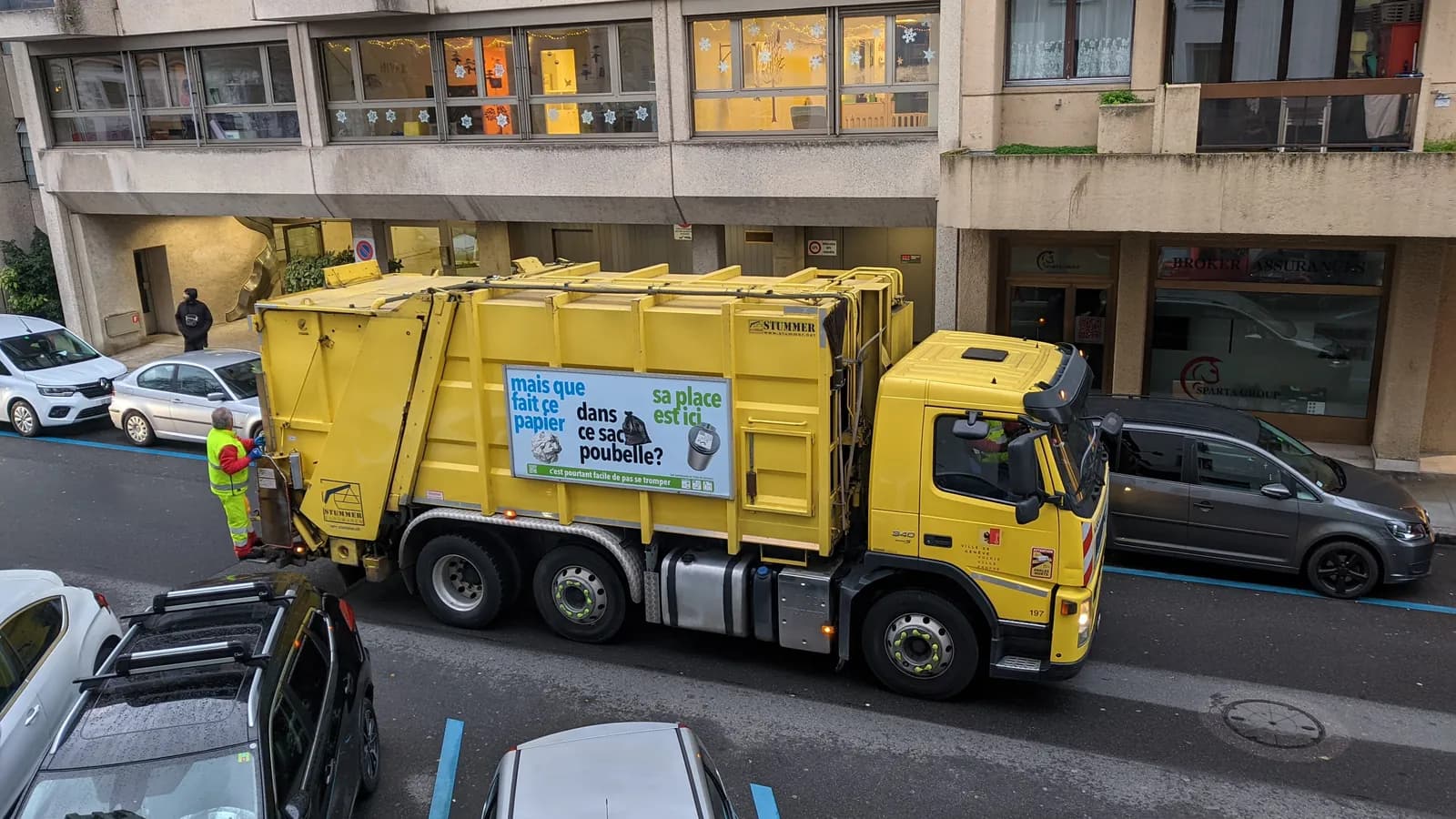
Waste & Recycling operations
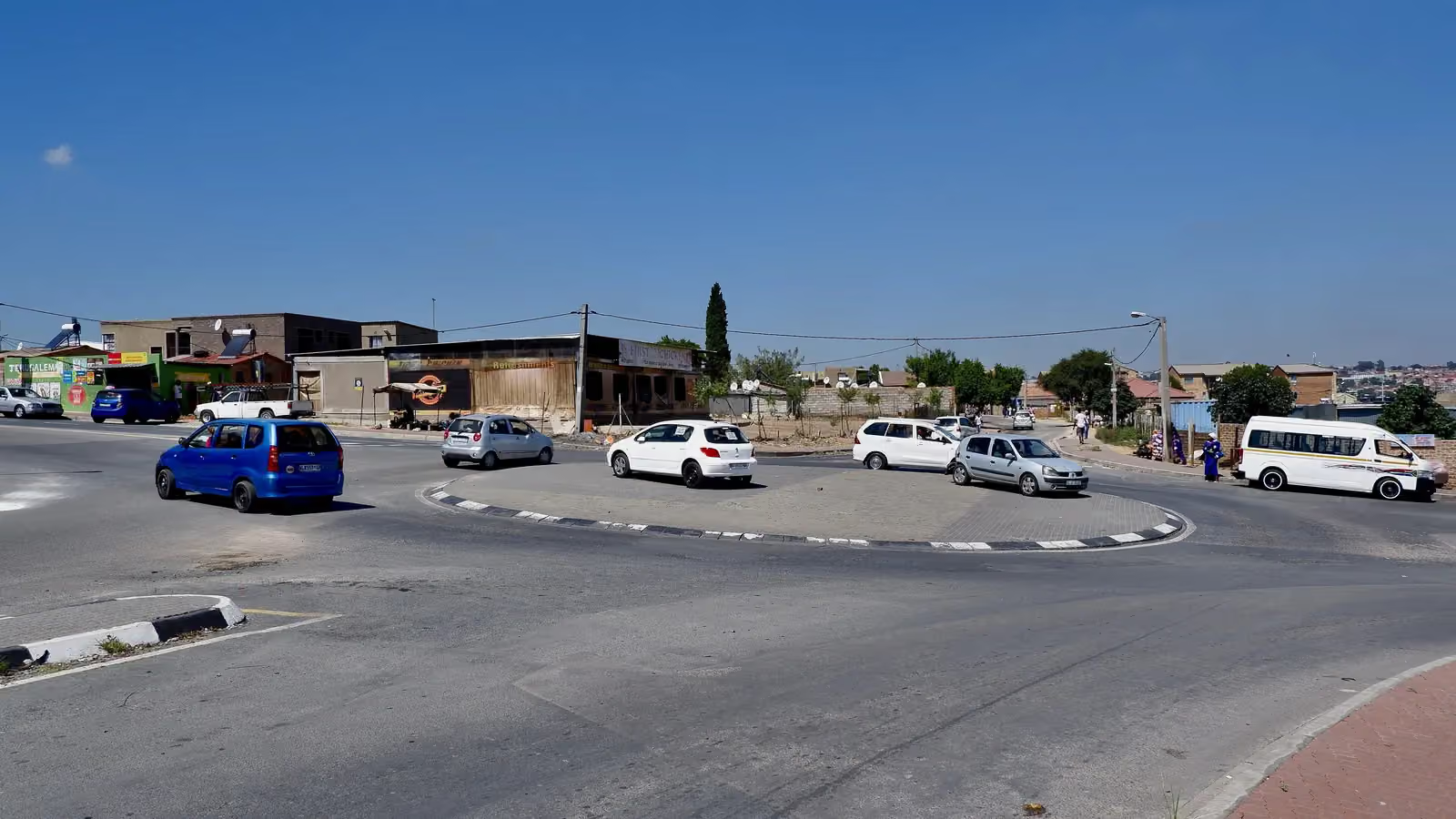
Photo: CaptJayRuffins, CC BY-SA 4.0

Waste management and recycling operations face mounting pressure to improve material recovery rates, reduce contamination in recycled streams, and demonstrate environmental compliance across collection, processing, and disposal facilities. Manual sorting is labor-intensive and inconsistent, contamination in recycling streams degrades material value, and landfill monitoring depends on periodic surveys. ConductVision's technology can provide visual intelligence across the waste management value chain, from collection vehicle routing verification to material recognition on sorting lines to landfill cell monitoring. Automated contamination detection and material classification can improve recovery rates and reduce processing costs.

The challenge

Recycling facilities process mixed material streams at high throughput where manual sorters cannot maintain consistent accuracy across shifts. Contamination from food waste, hazardous materials, and non-recyclable items degrades the value of recovered materials and can shut down processing lines. Landfill operators need continuous monitoring of cell filling patterns, leachate conditions, and cover integrity that periodic inspections cannot adequately provide.

Our approach

ConductVision can deploy visual classification models on sorting line cameras to identify material types, detect contaminants, and trigger robotic or pneumatic sorting mechanisms. Facility cameras can monitor vehicle weighing processes, tipping floor conditions, and equipment operation. Drone and fixed cameras can provide landfill cell monitoring with volumetric tracking and cover integrity assessment.

Use cases

Material Stream Classification

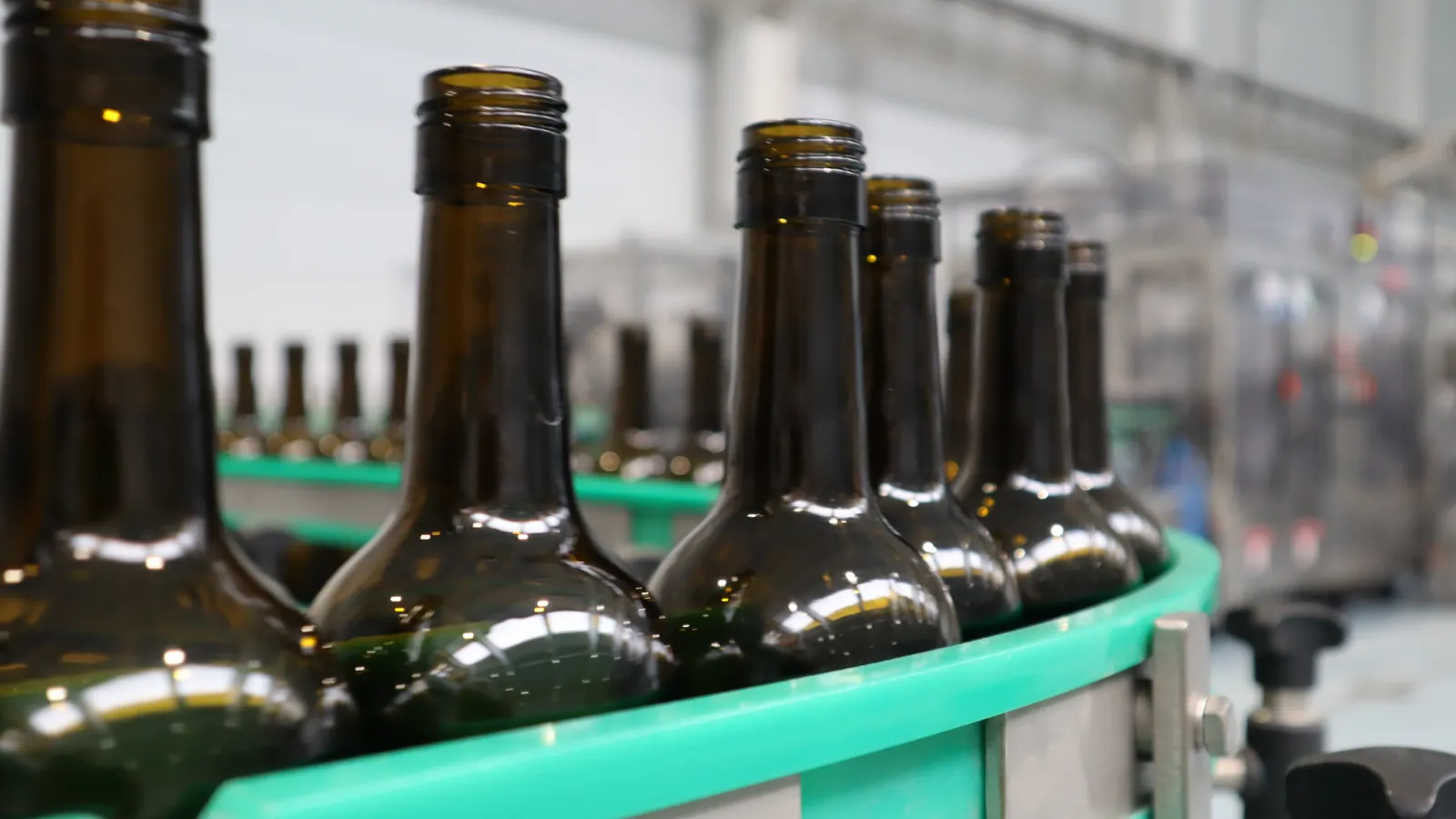
Cameras above sorting conveyors can identify paper, cardboard, plastics by resin type, glass, metals, and organic waste in real time. Classification data can drive robotic picking arms and air jet sorters, improving recovery rates and reducing reliance on manual sorting labor.

Contamination Detection

Visual models can detect hazardous materials, medical waste, electronics, and food contamination in recycling streams before they reach processing equipment. Contaminated loads can be flagged at the tipping floor stage, preventing costly line shutdowns and material quality degradation.

Landfill Cell Monitoring

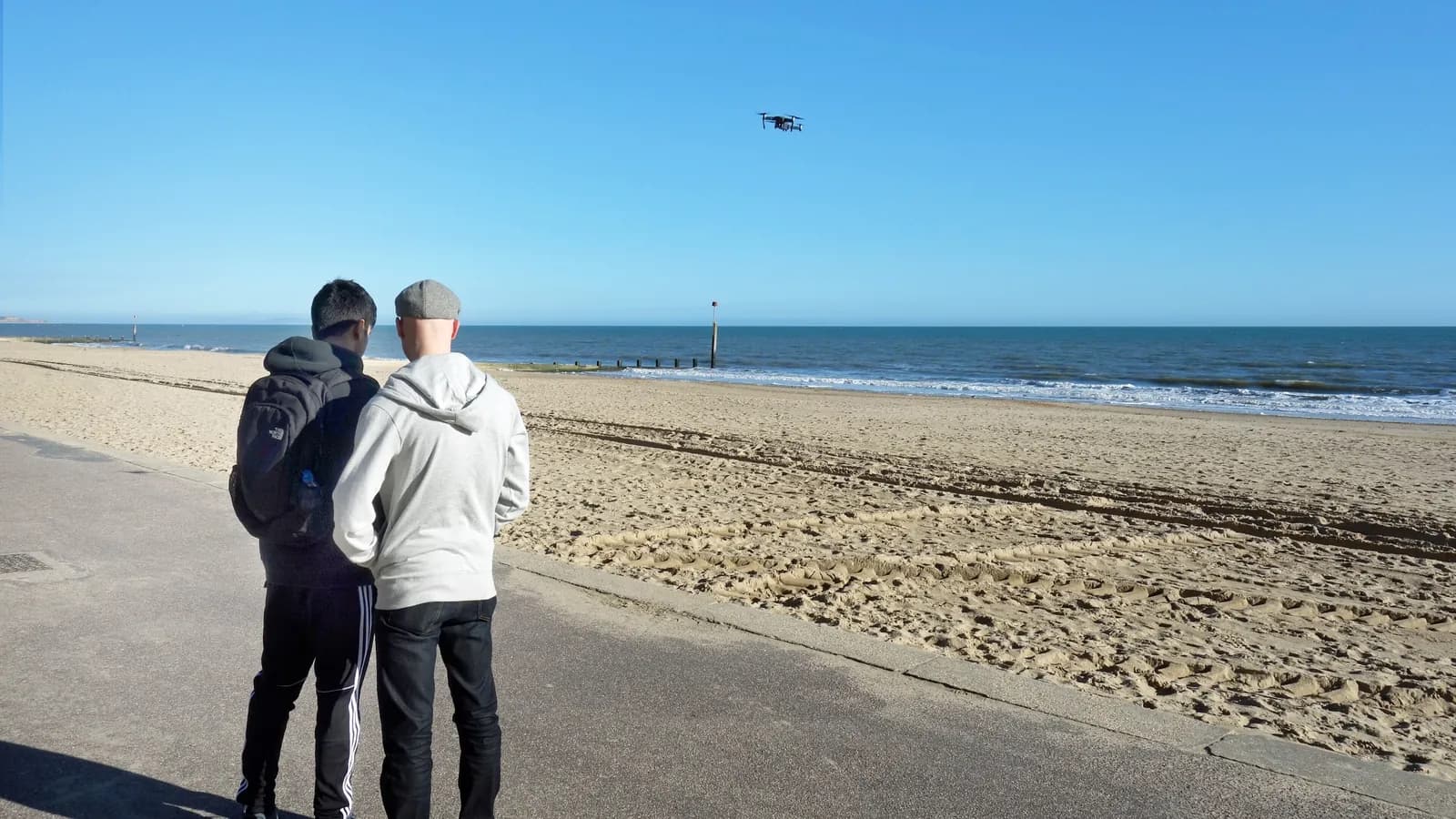
Drone overflights and fixed cameras can track fill progression, measure remaining airspace, and verify daily cover application across landfill cells. Visual monitoring of leachate collection systems and liner exposed areas can supplement sensor-based monitoring programs.

Collection Fleet Monitoring

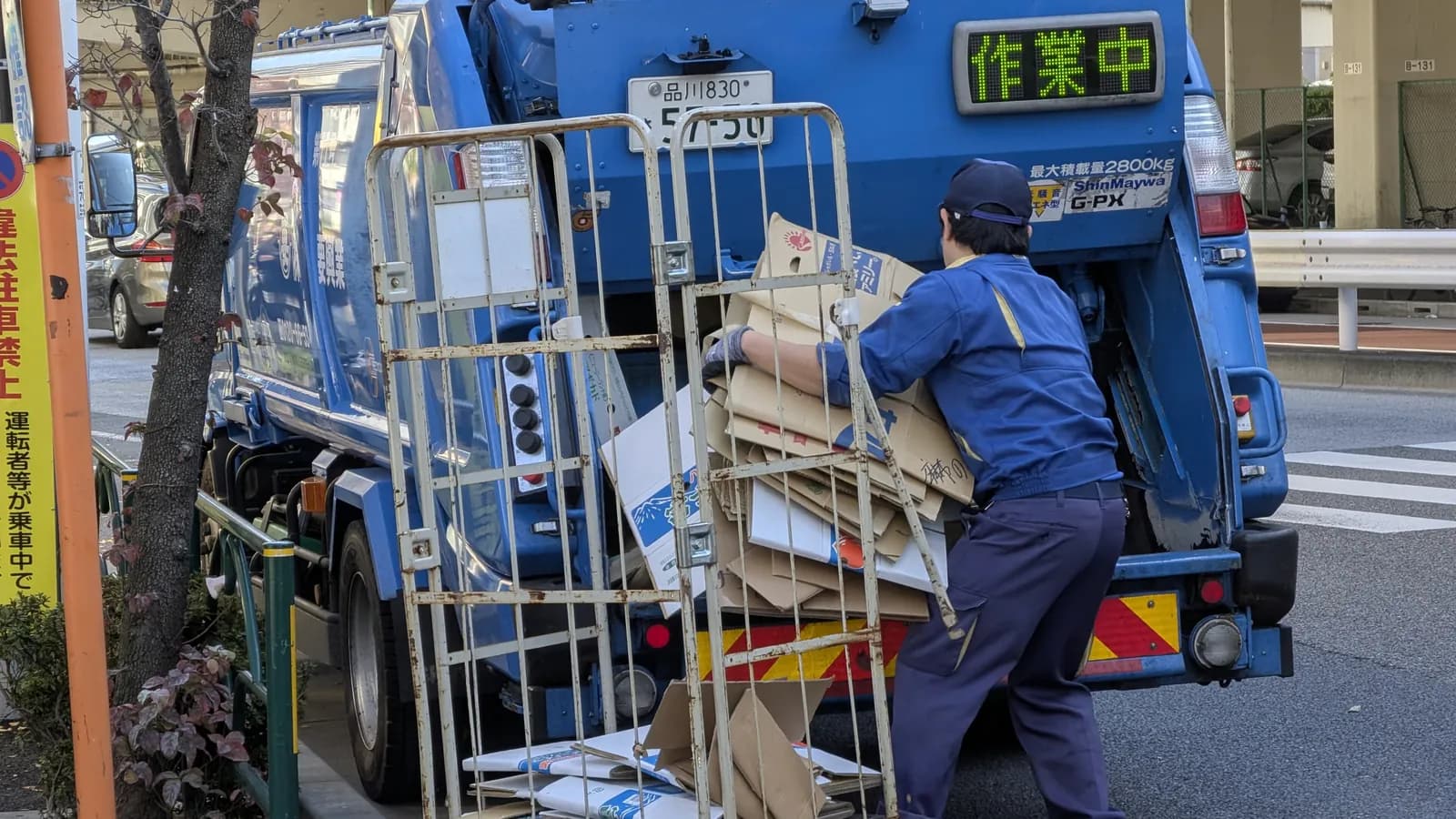
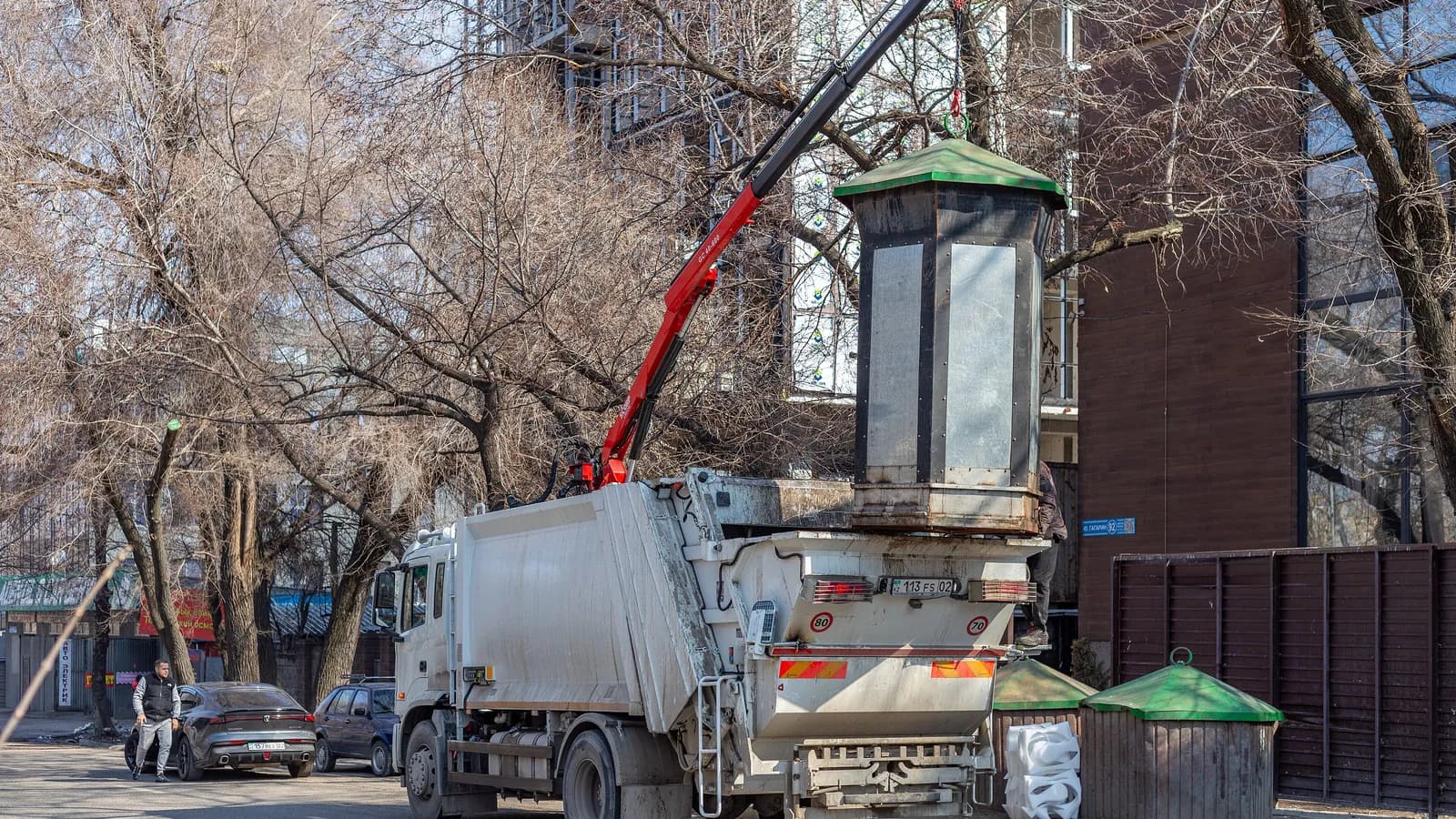
Cameras on collection vehicles and at facility gates can verify route completion, monitor container placement compliance, and document collection conditions. Load composition can be assessed visually at the tipping floor to identify routes with high contamination rates for targeted community education.

Facility Safety and Compliance

Cameras across processing facilities can monitor fire hazards from lithium batteries and spontaneous combustion in organic material piles. PPE compliance at sorting stations and equipment exclusion zones can be verified continuously, and facility conditions can be documented for regulatory reporting.

Integration ecosystem

Fleet Management and Route Optimization SystemsMaterial Recovery Facility (MRF) Control SystemsRobotic Sorting Systems (AMP, ZenRobotics)Environmental Compliance Reporting PlatformsWeighbridge and Scale Management Systems

Scope a waste & recycling monitoring pilot

Tell us about your sites and cameras; a ConductVision engineer replies with a scoping plan.