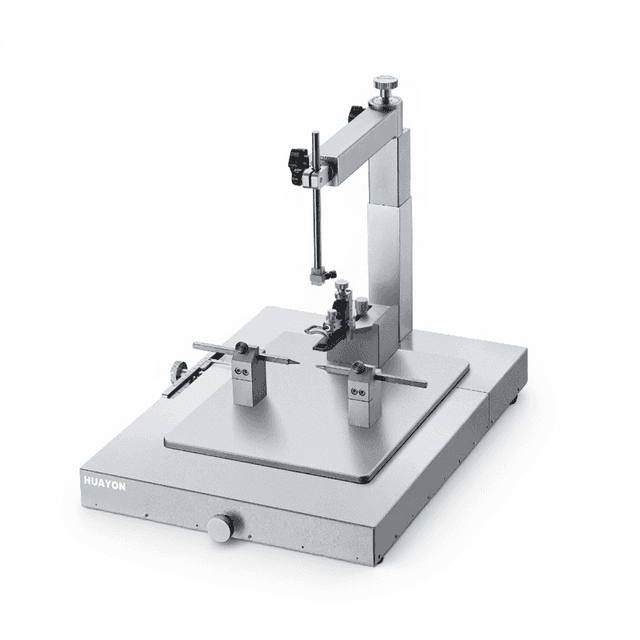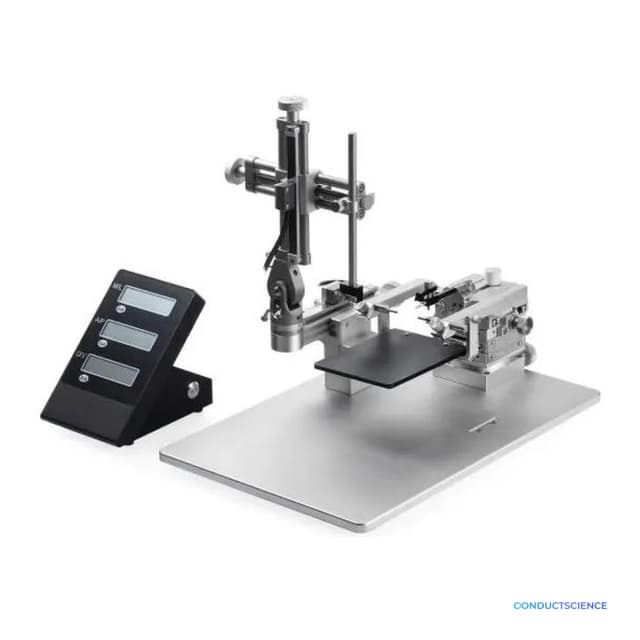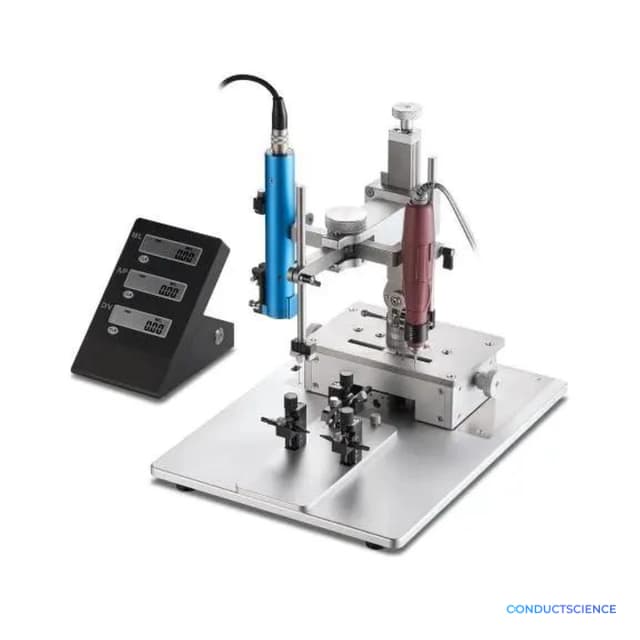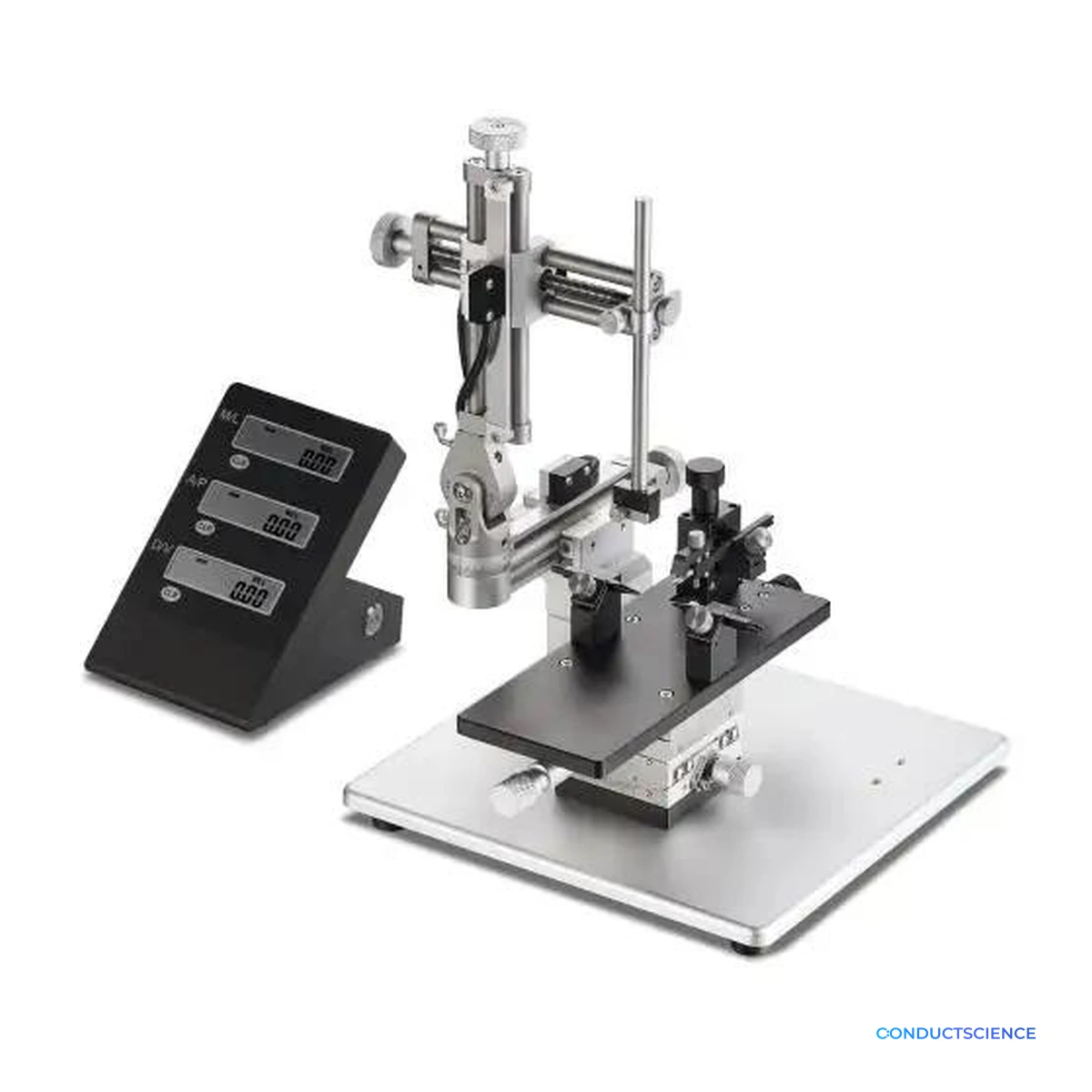
Mouse Stereotaxic Alignment System
Mouse stereotaxic alignment system for fine three-dimensional skull leveling in knockout, transgenic, and other small-rodent neuroscience workflows, with sagittal and coronal head leveling, fine nose-clip up/down and forward/backward movement, small mouse-focused frame geometry, and selectable single/dual manipulator plus manual 0.1 mm or digital 0.01 mm configurations.

Louise Corscadden, PhD
Director of Science · ConductScience
Ask Louise about Mouse Stereotaxic Alignment System fit, setup, configuration, or quote prep.
Already working with us? Sign in to connect this with My Scientist.
Key Specifications
Full details →- Model fit
- 4 selectable configurations
- SKU family
- CS-STX-ALIGN-MOUSE
- Sizing
- Model-specific dimensions confirmed from the selected configuration
- Ordering
- Online checkout and quote request available
- Category
- Stereotaxic Systems
- Build notes
- Confirm accessories, station layout, and support needs before purchase
Overview
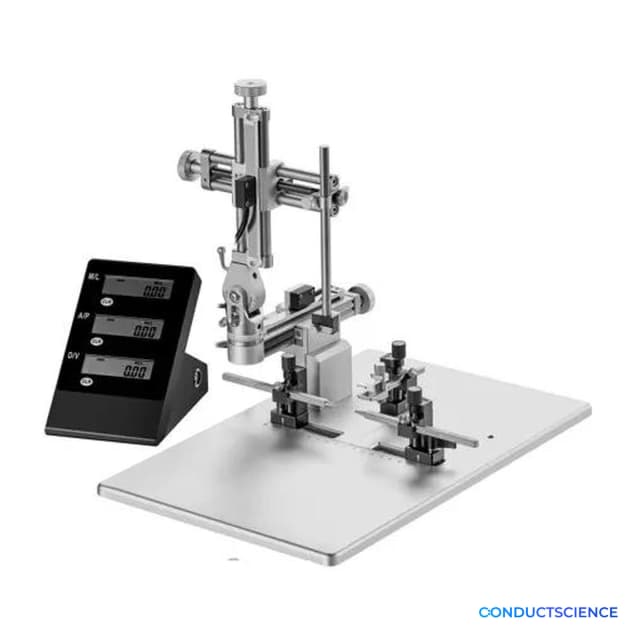
The Mouse Stereotaxic Alignment System is a mouse-focused stereotaxic frame for labs that need fine skull leveling in knockout, transgenic, and other small-rodent brain experiments. The source design uses the same alignment concept as the rat/mouse system but narrows the buying decision around mouse frame geometry, light mouse bars, and nose-clip fine movement.
The practical value is mouse skull setup control. After fixation by ear bars and nose clip, the system supports sagittal and coronal head leveling through a multi-dimensional adjustment mechanism, while the nose clip adds fine up/down and forward/backward movement. That makes it useful when the lab wants a dedicated mouse stereotaxic alignment station rather than a mixed-species frame.
Four configurations are available from one page: single manipulator manual 0.1 mm, dual manipulator manual 0.1 mm, single manipulator digital 0.01 mm, and dual manipulator digital 0.01 mm. The source context also notes that mouse stereotaxic alignment supports accurate placement of electrodes, micropipettes, cannulae, and other devices, with 10 um LCD display/zeroing available on digital configurations.
Scientific Use
Mouse stereotaxic workflows often involve small target regions, transgenic lines, viral delivery, implantation, cannulation, probe placement, electrophysiology, and imaging-adjacent preparation. A mouse-specific alignment frame helps the team plan skull level, target approach, manipulator configuration, and adjacent hardware around mouse-scale access instead of adapting a larger mixed-species setup.
Choose this system when the purchasing decision centers on mouse-only stereotaxic alignment, small frame geometry, fine nose-clip adjustment, and manual or digital readout selection. Use the rat/mouse alignment page when one system must cover both species, and use the multi-arm mouse page when the main priority is staging positioning, drilling, and injection tools on one Z-manipulator.
Buying Fit
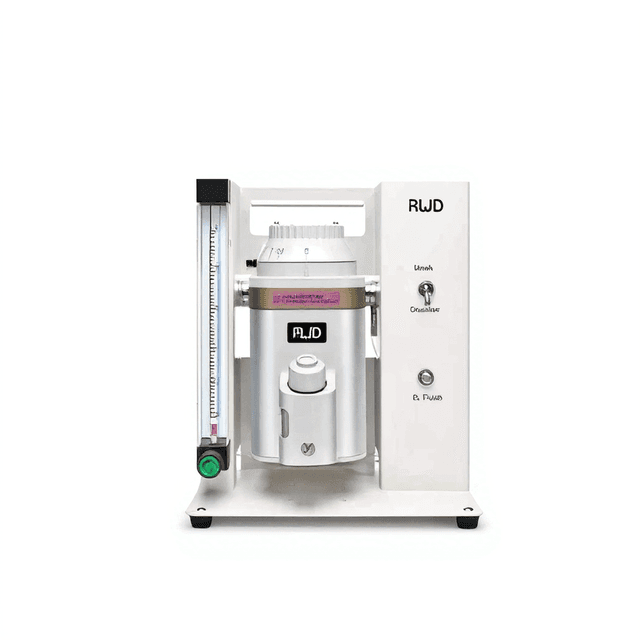
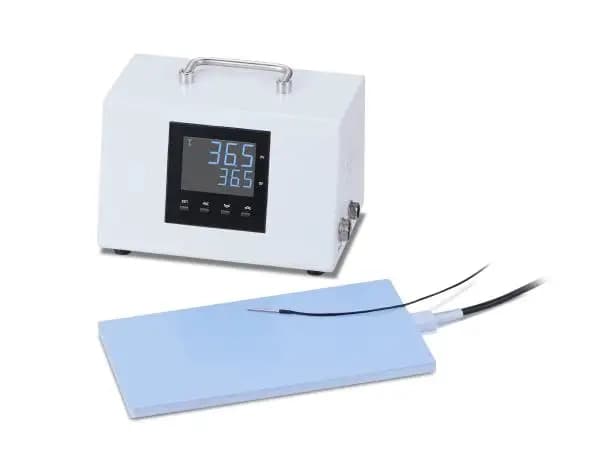
This is the better fit for labs standardizing mouse stereotaxic work across knockout, transgenic, or other small-rodent cohorts. Pair it with stereotaxic anesthesia masks, active anesthesia, warming, syringe holders, microdrill holders, atlas planning, and any rotary mouse adaptor requirements selected around the workflow.
Features & Benefits
Model fit
- Mouse and small-rodent stereotaxic head-leveling workflows
Alignment axes
- Sagittal and coronal head leveling with nose-clip up/down and forward/backward fine movement
Mouse workflow
- Knockout, transgenic, and other small-rodent coordinate-guided brain workflows
Coordinate readout
- Manual 0.1 mm or digital 0.01 mm configurations
Device planning
- Electrodes, micropipettes, cannulae, injection, implantation, probes, and related mouse brain-targeting tools
Plan with
- Stereotaxic anesthesia masks, active anesthesia, warming, syringe holder, microdrill holder, atlas planning, and rotary mouse adaptor review
| Model | SKU | Listed price | Status | Shipping box |
|---|---|---|---|---|
| Single manipulator, manual 0.1 mm | CS-STX-ALIGN-MOUSE-SM-MAN | $5,498.99 | Available | Confirmed during quote |
| Dual manipulator, manual 0.1 mm | CS-STX-ALIGN-MOUSE-DM-MAN | $6,698.99 | Available | Confirmed during quote |
| Single manipulator, digital 0.01 mm | CS-STX-ALIGN-MOUSE-SM-DIG | $7,498.99 | Available | Confirmed during quote |
| Dual manipulator, digital 0.01 mm | CS-STX-ALIGN-MOUSE-DM-DIG | $8,798.99 | Available | Confirmed during quote |
Practical Tips
Choose this page when the lab wants a mouse-focused alignment frame rather than a mixed rat/mouse station.
Why: The source text calls out knockout, transgenic, and other small-rodent workflows, plus mouse-focused frame advantages.
Review the up/down and forward/backward nose-clip fine movement against the planned mouse skull-leveling workflow.
Why: This additional nose-clip adjustment is a key differentiator from the broader rat/mouse alignment system.
Choose digital 0.01 mm when finer readout and zeroing are useful for the operator; choose manual 0.1 mm for a lower-cost mouse alignment path.
Why: The source family includes both manual and digital variants, with digital display/zeroing context on the mouse stereotaxic source page.
Setup Guide
What’s in the Box
- Mouse stereotaxic alignment base and head-positioning assembly
- Multi-dimensional adjustment mechanism for sagittal and coronal head leveling
- Fine nose-clip up/down and forward/backward movement for mouse positioning
- Selectable single- or dual-manipulator configuration
- Selectable manual 0.1 mm or digital 0.01 mm coordinate configuration
- Mouse-focused frame geometry for knockout, transgenic, and other small-rodent work
- Rotary mouse adaptor compatibility reviewed during configuration
Warranty
Support, replacement, and fulfillment terms are confirmed with the final quote and institutional purchasing requirements.
Compliance
How is this different from the rat and mouse alignment system?
This page is the mouse-focused alignment frame for knockout, transgenic, and other small-rodent workflows. The rat/mouse page is the mixed-species option when one system must support both rats and mice.
Which configurations are available?
Four selectable configurations are available: single manipulator manual 0.1 mm, dual manipulator manual 0.1 mm, single manipulator digital 0.01 mm, and dual manipulator digital 0.01 mm.
What alignment adjustments does the mouse system support?
The source describes sagittal and coronal head leveling through the alignment mechanism, plus fine nose-clip up/down and forward/backward movement for mouse skull positioning.
What workflows does it help plan?
It helps plan mouse stereotaxic workflows involving electrodes, micropipettes, cannulae, injections, implantations, probes, and other coordinate-guided devices.
What should be ordered with the frame?
Common additions include stereotaxic anesthesia masks, active anesthesia, warming, syringe holder, microdrill holder, atlas planning tools, and any rotary mouse adaptor requirements.
Have a question about this product?
Have a question? Just ask.
Send it over and we'll email you a personalized answer — no call, no scheduling.
Prefer to talk it through?
Accessories
Enhance your setup with compatible accessories
Frequently Bought Together