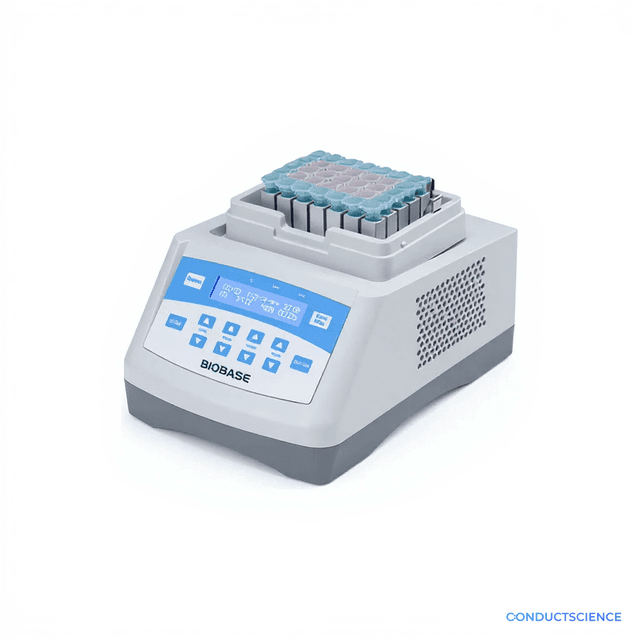
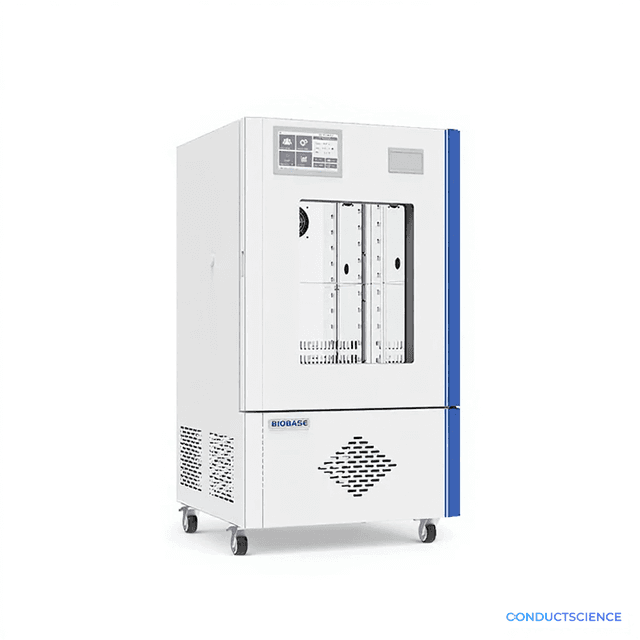
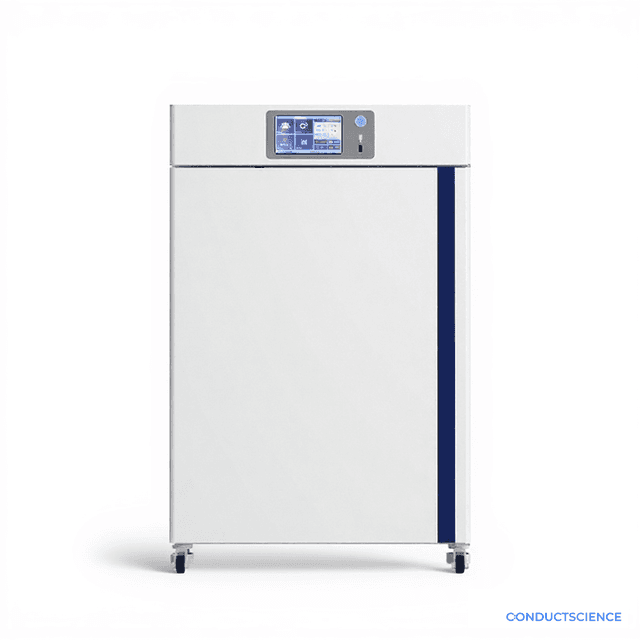
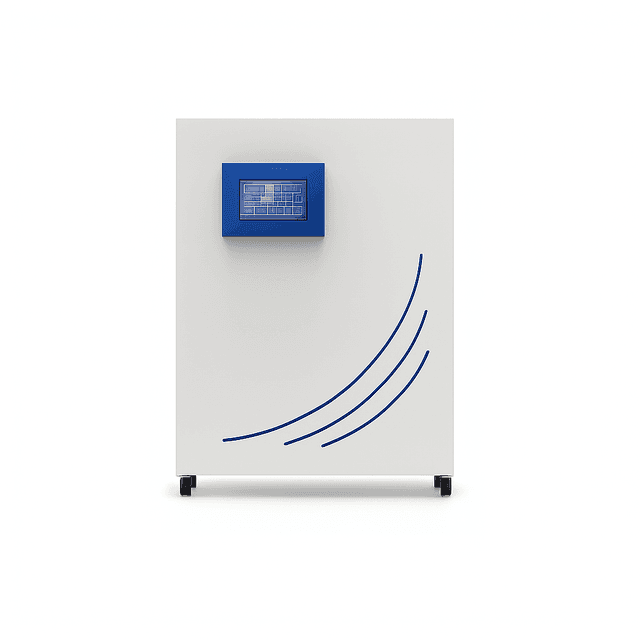
Multifunctional Incubator
Precision laboratory incubator with PT100 temperature control, 0-100°C range, and microcomputer interface for cell culture and biological sample incubation applications.

Louise Corscadden, PhD
Director of Science · ConductScience
Ask Louise about Multifunctional Incubator fit, setup, configuration, or quote prep.
Already working with us? Sign in to connect this with My Scientist.
Key Specifications
Full details →- Model fit
- 2 selectable configurations
- SKU family
- BIO-0241
- Shipping box
- 59.9 x 51.8 x 40.0 cm
- Ordering
- Online checkout and quote request available
- Category
- Laboratory Incubators
- Build notes
- Confirm accessories, station layout, and support needs before purchase
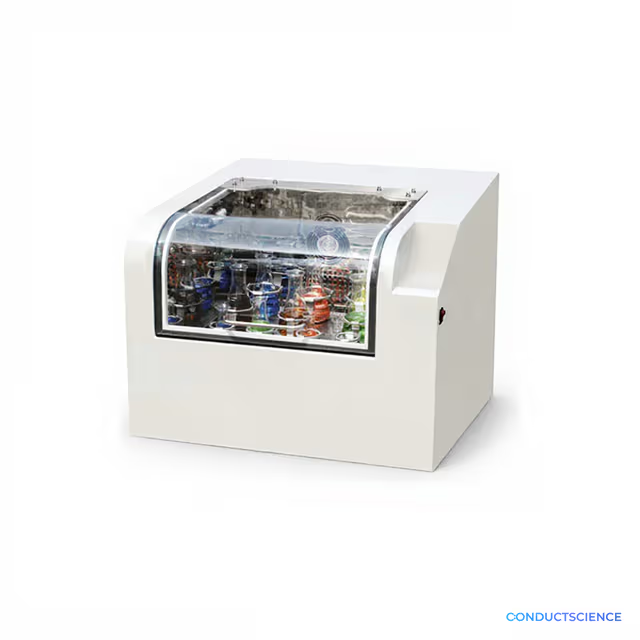
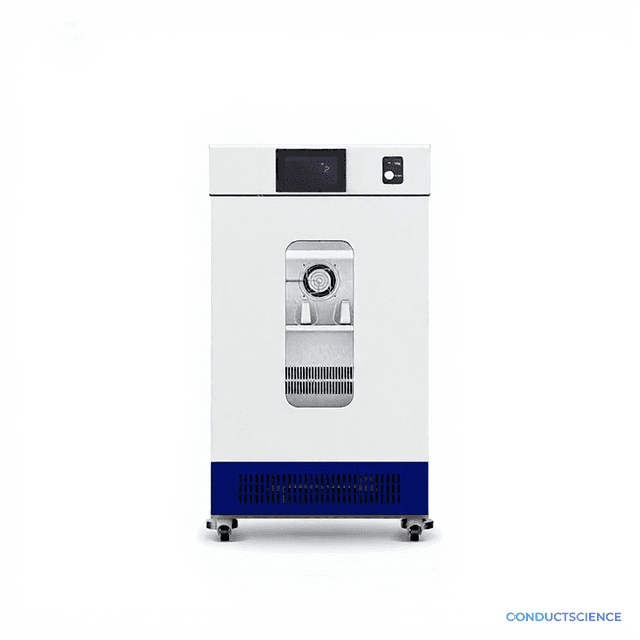
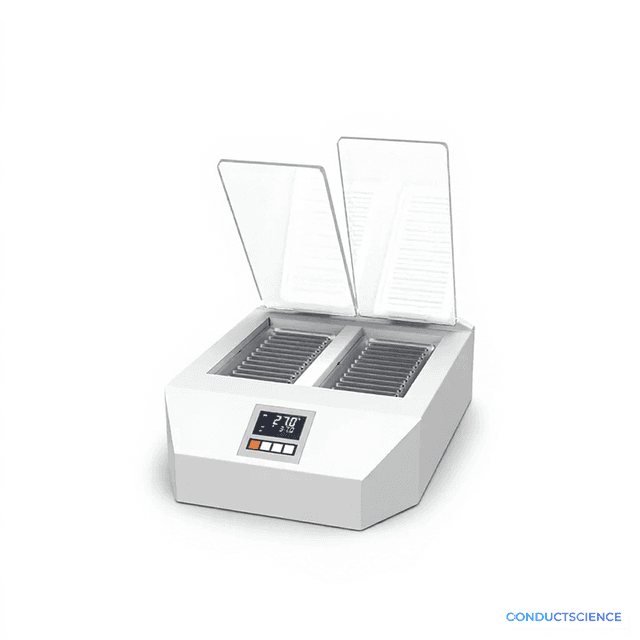
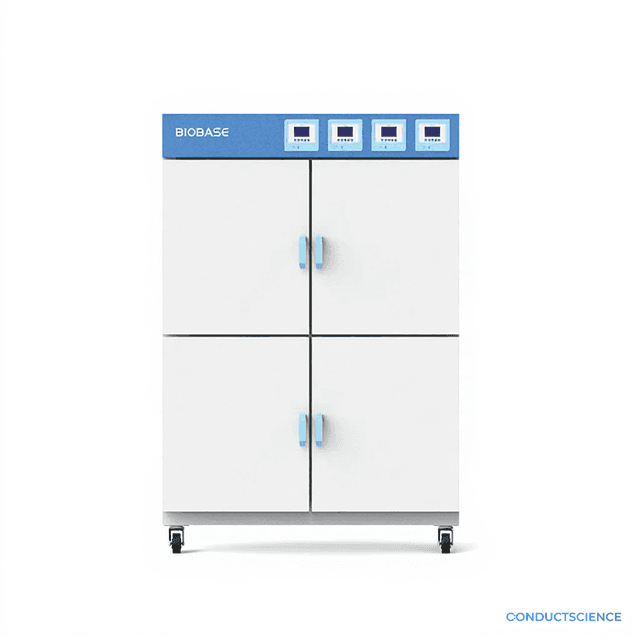
The Multifunctional Incubator (BIO-0241) is a precision-controlled cell culture and biological sample incubation system designed for laboratory environments requiring stable temperature conditions. This microcomputer-controlled unit features a PT100 temperature sensor with ±1°C fluctuation control at 37°C, making it suitable for mammalian cell culture, bacterial growth, and temperature-sensitive biochemical assays. The system operates across a 0-100°C range with 0.01°C precision, providing the thermal stability required for reproducible experimental conditions.
The incubator incorporates a 7.0-inch color LCD touch screen interface for intuitive operation and real-time monitoring. Double tempered glass doors with integrated heating function prevent condensation while maintaining visual access to samples. The stainless steel interior chamber provides chemical resistance and facilitates decontamination protocols, while the timing function supports extended incubation periods up to 999 hours and 59 minutes.
How It Works
The incubator operates through precise temperature control using a PT100 resistance temperature detector (RTD) sensor. The PT100 sensor exhibits a predictable resistance change with temperature, providing accurate temperature measurement across the full operating range. A microcomputer controller continuously monitors the sensor input and adjusts heating elements to maintain the setpoint temperature within ±1°C at 37°C.
The heating system utilizes controlled electrical elements distributed throughout the chamber to ensure uniform temperature distribution (±2°C at 37°C). The double tempered glass doors incorporate heating elements to prevent condensation formation that could compromise sample visibility and temperature stability. The stainless steel interior provides uniform heat distribution while resisting corrosion from biological media and cleaning agents.
The timing function operates independently of temperature control, allowing researchers to program incubation periods without manual intervention. Audible and visual alarms alert operators to over-temperature conditions or completion of timed incubation cycles, ensuring sample integrity and experimental reproducibility.
Features & Benefits
Shipping weight
- 90.0 lb
Shipping box
- L: 59.9 cm
- W: 51.8 cm
- H: 40.0 cm
| Feature | This Product | Typical Alternative | Advantage |
|---|---|---|---|
| Temperature Sensor Type | PT100 resistance temperature detector | Thermistor or thermocouple sensors in basic models | PT100 sensors provide superior long-term stability and accuracy for critical temperature-sensitive applications. |
| Temperature Control Precision | 0.01°C precision with ±1°C fluctuation at 37°C | ±2-5°C control precision in entry-level units | Tighter temperature control prevents thermal stress on biological samples and improves experimental reproducibility. |
| User Interface | 7.0-inch color LCD touch screen | Basic LED displays or small monochrome screens | Intuitive touch interface simplifies programming and provides clear real-time monitoring of chamber conditions. |
| Door Design | Double tempered glass doors with heating function | Single glass door without heating | Heated glass prevents condensation that could obstruct sample visibility and compromise temperature stability. |
| Chamber Construction | Stainless steel interior with external painted steel | All-steel construction or plastic interior components | Stainless steel provides superior chemical resistance and supports thorough decontamination protocols. |
| Timing Range | 1-999h59min programmable timing | Limited timing functions or manual operation | Extended timing capability accommodates long-term incubation protocols without requiring manual intervention. |
This incubator combines precision PT100 temperature sensing with microcomputer control and an intuitive touch screen interface. The heated glass doors and stainless steel construction address common challenges in maintaining stable conditions and contamination control. The 0.01°C precision and programmable timing support demanding applications requiring consistent thermal environments.
| Model | SKU | Listed price | Status | Shipping box |
|---|---|---|---|---|
| BJPX-Y200 | BJPX-Y200 | $2,990.00 | Available | 59.9 x 51.8 x 40.0 cm |
| BJPX-Y150 | BJPX-Y150 | $2,790.00 | Available | 59.9 x 51.8 x 40.0 cm |
Practical Tips
Perform temperature verification at multiple points within the chamber using calibrated reference thermometers to confirm uniformity specifications.
Why: Chamber temperature can vary by position, and mapping ensures optimal sample placement for consistent results.
Clean the interior with mild detergent weekly and inspect door seals monthly for proper sealing and condensation prevention.
Why: Regular cleaning prevents contamination buildup and seal inspection maintains temperature stability and energy efficiency.
Allow 30-60 minutes for temperature equilibration after loading samples or changing setpoints before beginning time-sensitive protocols.
Why: Thermal mass of samples and containers requires time to reach chamber temperature for accurate experimental conditions.
Position temperature-sensitive samples in the center of the chamber away from walls and heating elements for most stable conditions.
Why: The center region experiences the most stable temperature with minimal fluctuation due to heating cycles.
If temperature fluctuations exceed specifications, verify door seals are intact and ambient temperature is within recommended limits.
Why: Door seal integrity and ambient conditions directly impact the controller's ability to maintain stable internal temperatures.
Record ambient temperature and humidity conditions when documenting incubation protocols for reproducibility.
Why: Environmental factors can influence incubator performance and should be documented for protocol standardization.
Set over-temperature alarms 5-10°C above your target temperature to protect samples from thermal damage while avoiding false alarms.
Why: Conservative alarm settings provide early warning of temperature excursions without disrupting normal operation.
Replace or clean air filters regularly if present, and ensure ventilation openings remain unobstructed for proper heat dissipation.
Why: Proper airflow is essential for temperature control system efficiency and prevents overheating of control electronics.
Setup Guide
What’s in the Box
- Multifunctional Incubator main unit
- Power cord
- User manual and technical documentation
- Temperature calibration certificate (typical)
- Adjustable shelf system (typical)
- Humidity pan (typical)
Warranty
ConductScience provides a standard one-year manufacturer warranty covering parts and labor, with technical support available for troubleshooting and maintenance guidance.
Compliance
What is the temperature recovery time after door opening?
Recovery time depends on ambient conditions and door opening duration. The microcomputer controller with PT100 sensor typically restores setpoint temperature within 10-15 minutes after brief door openings.
Can this incubator be used for CO2-requiring cell culture applications?
This unit provides temperature control only. For CO2-requiring applications, external CO2 supplementation or a dedicated CO2 incubator would be necessary.
What calibration procedures are recommended?
Annual calibration verification using NIST-traceable reference thermometers is recommended. The PT100 sensor provides stable long-term performance but periodic verification ensures continued accuracy.
How does the heating system prevent hot spots?
Distributed heating elements and stainless steel construction provide uniform heat distribution, achieving ±2°C uniformity at 37°C throughout the chamber volume.
What data logging capabilities are available?
The touch screen interface displays real-time temperature and timing data. For continuous data logging, consult product datasheet for available connectivity options.
Can the incubator operate at ambient temperatures?
Yes, the 0-100°C range includes ambient temperature operation, making it suitable for room temperature incubations and controlled cooling applications.
What decontamination methods are compatible with the stainless steel interior?
The stainless steel interior is compatible with standard laboratory disinfectants, alcohol-based cleaners, and autoclave-safe cleaning protocols commonly used in sterile work environments.
Have a question about this product?
Have a question? Just ask.
Send it over and we'll email you a personalized answer — no call, no scheduling.
Prefer to talk it through?
Accessories
Enhance your setup with compatible accessories
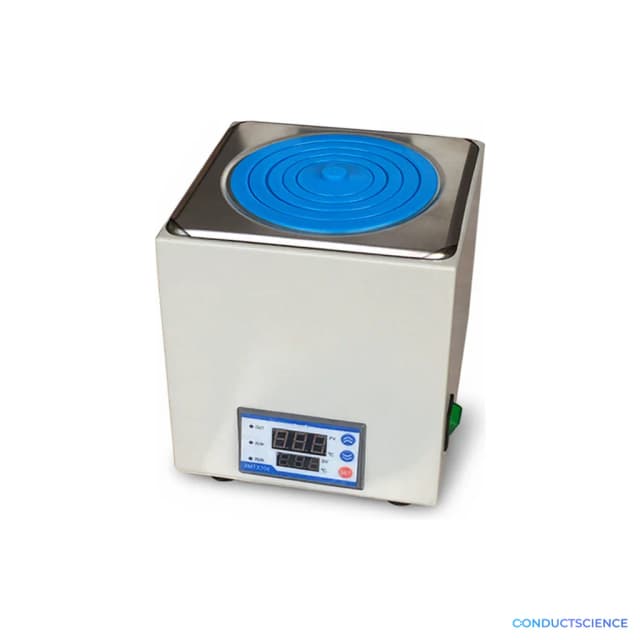
Replacement Parts & Consumables
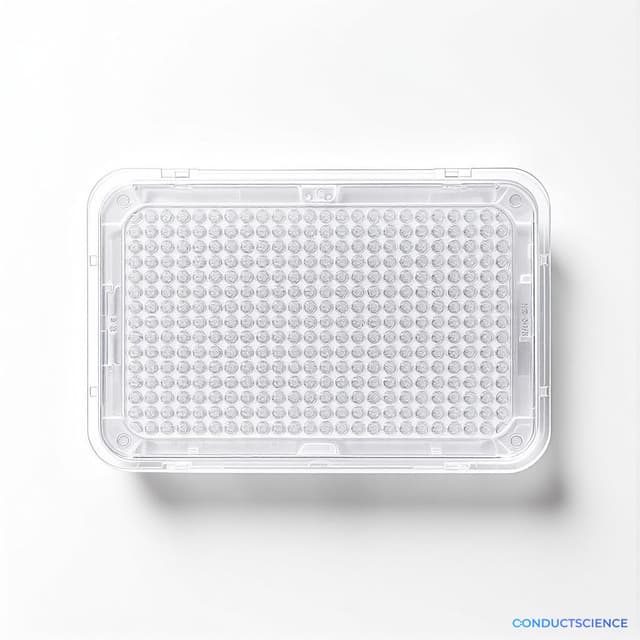
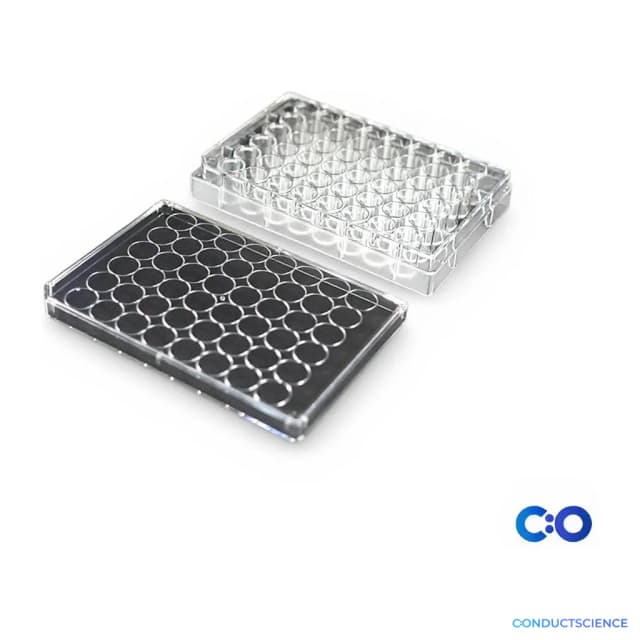
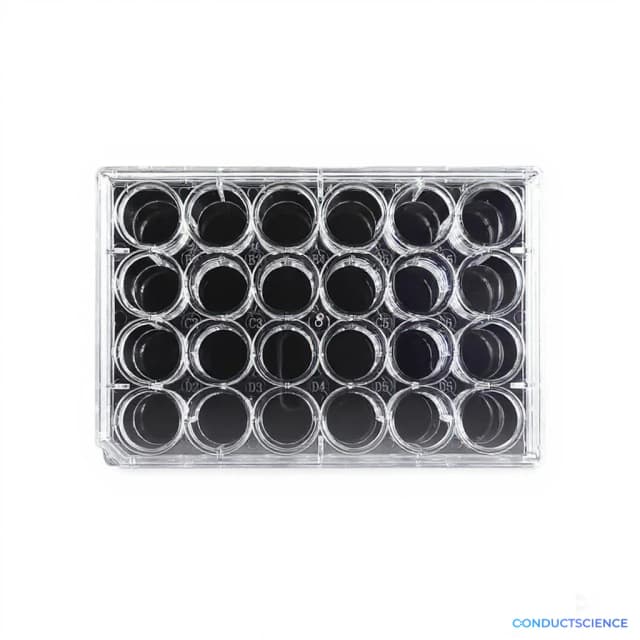
Upgrade Options