

About ConductScience

Science, built to be repeated.

We make research equipment, software and publishing tools so that an experiment run in one laboratory can be run the same way in the next.

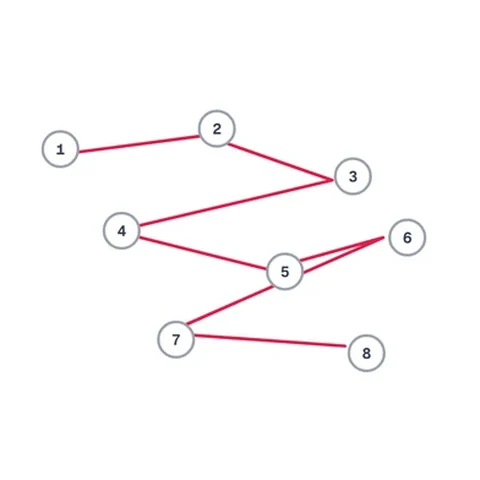
Drawing: a mouse visits each arm of an eight-arm radial maze once, the spatial memory task Olton and Samuelson described in 1976. Each arm opens onto a chapter below, shown with real photographs and ConductVision footage.
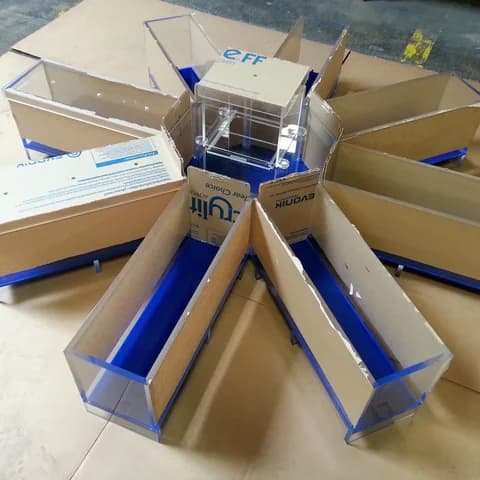
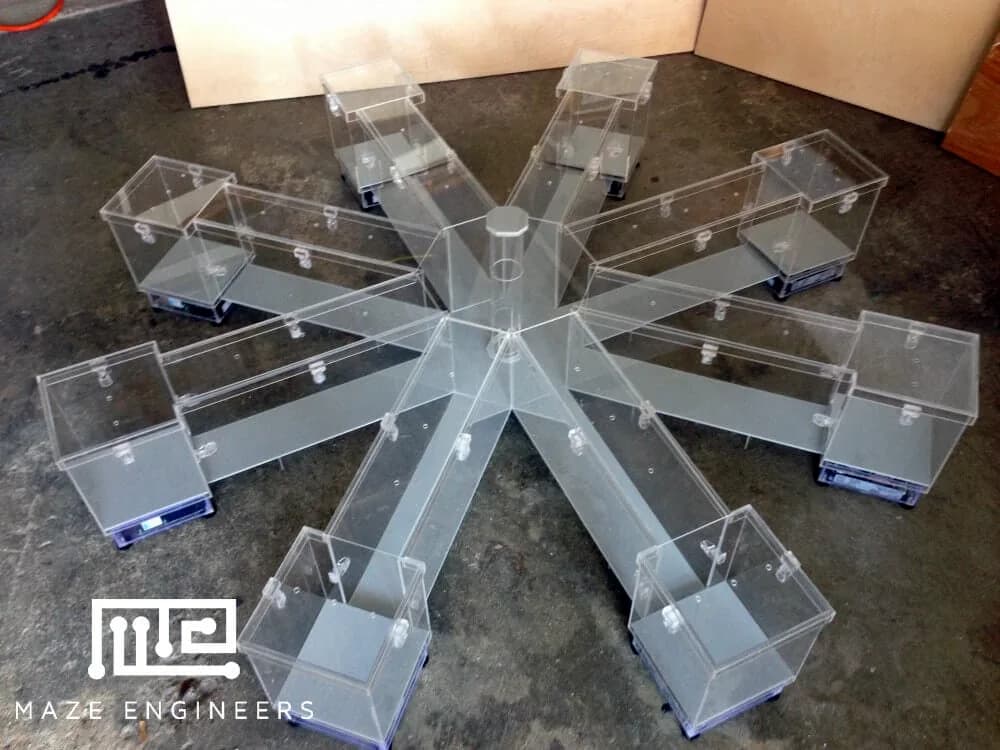
  • A clear acrylic eight-arm radial maze with a goal box at the end of each arm, on a concrete workshop floor
    July 2013An eight-arm radial maze, finished on the workshop floor.
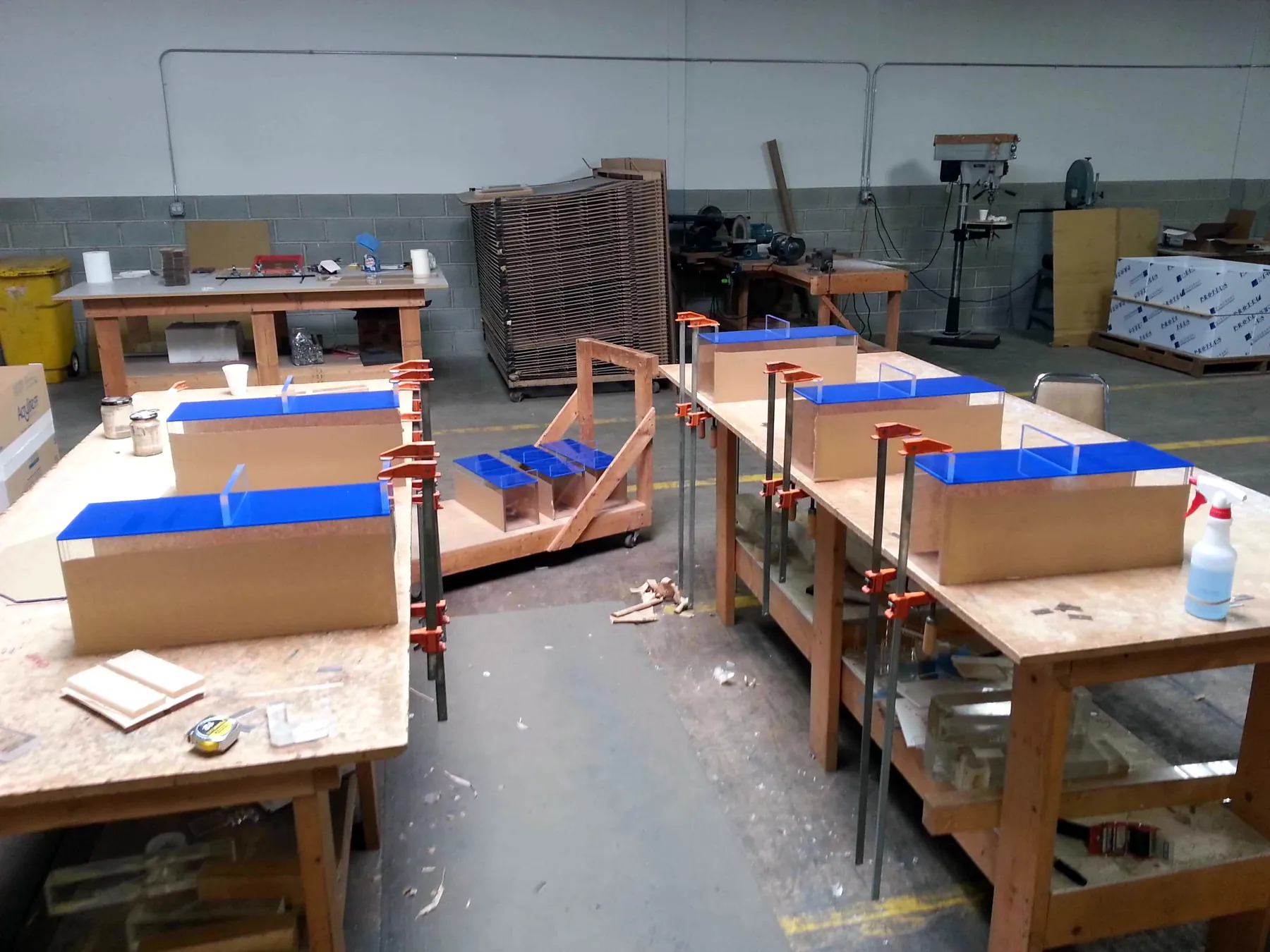
  • Workbenches holding maze parts with blue acrylic tops, glued and held in orange bar clamps
    June 2014Early mazes, glued and clamped on the bench.
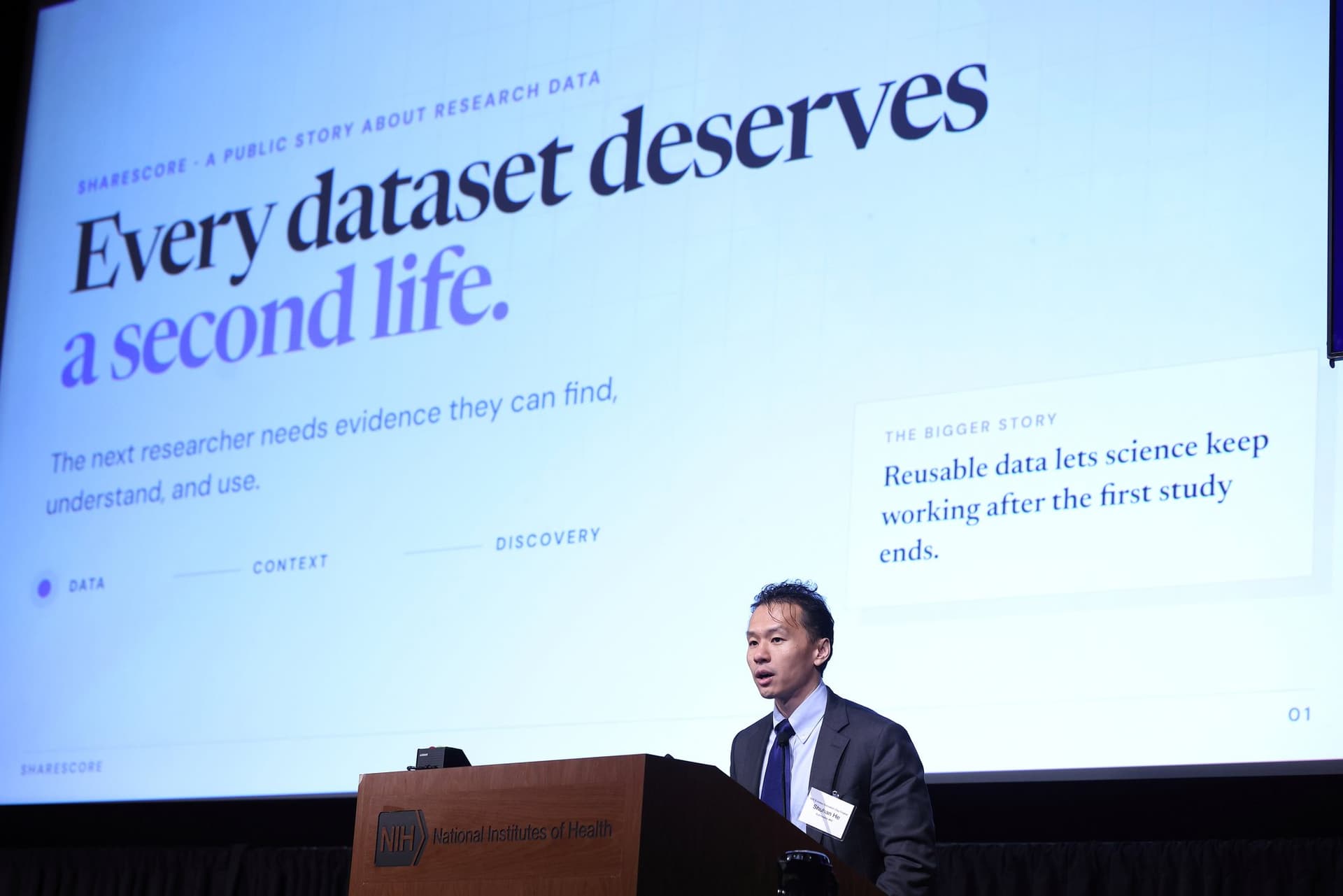
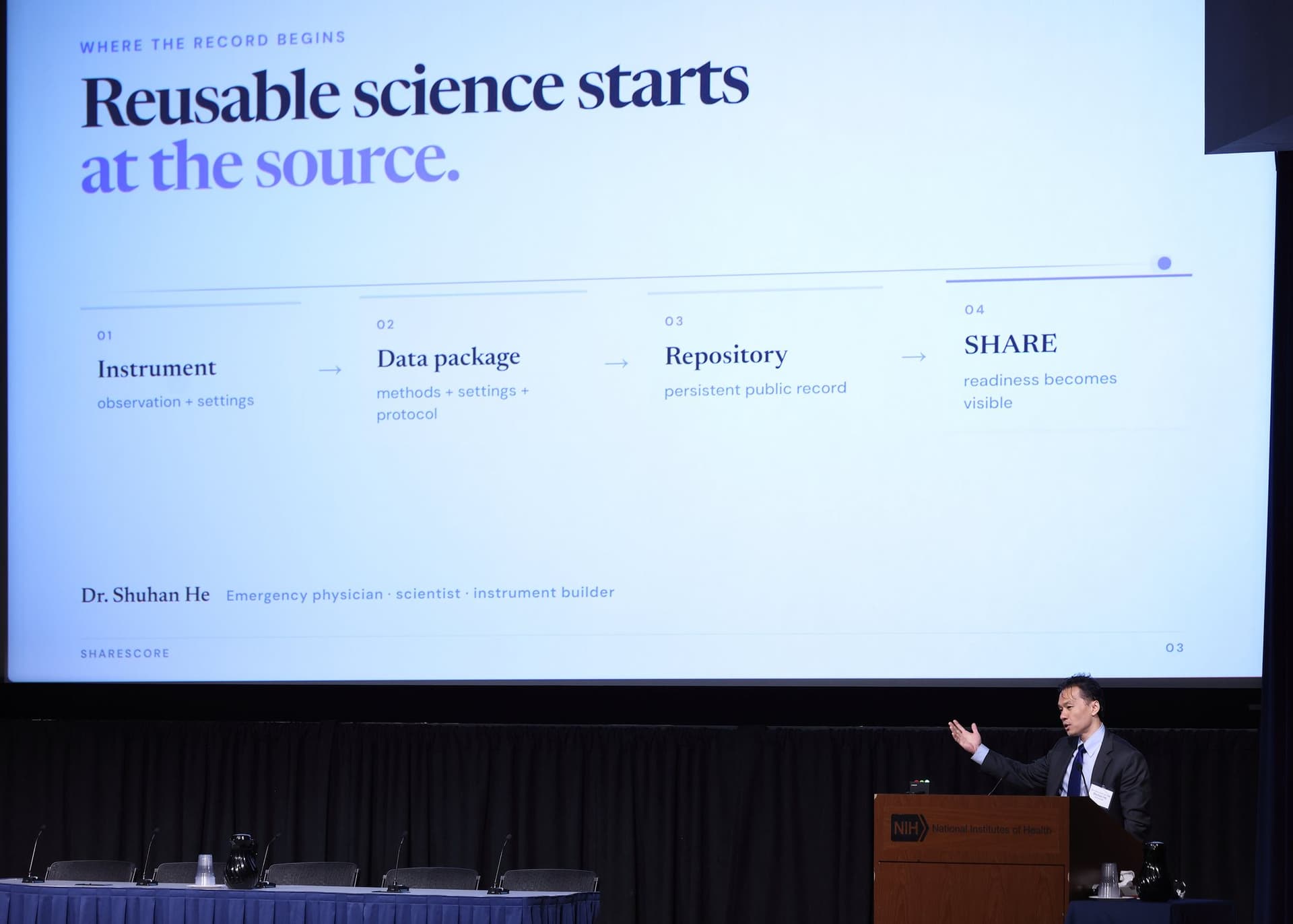
  • Shuhan He at a National Institutes of Health podium, presenting a slide titled Reusable science starts at the source
    July 2026Shuhan He presenting ShareScore at the NIH.

01The problem

The same experiment. Different answers.

Much of what we know about memory, anxiety and learning comes from watching a mouse or rat move through a maze. Behavior is sensitive to small things: the width of an arm, the height of a wall, the light in the room, the rule a scorer uses to decide when the animal has entered a zone.

Most laboratories work from a sentence or two in a methods section when they build or buy a maze. When two labs disagree, nobody can tell a real biological difference from two boxes built differently.

Science, 1999

Genetics of mouse behavior: interactions with laboratory environment

Crabbe, Wahlsten and Dudek

Laboratories, testing at the same time
3
Behavioral tests
6

“Apparatus, test protocols, and many environmental variables were rigorously equated.”

“…despite standardization, there were systematic differences in behavior across labs.”

The study remains a standard reference for how far results drift between laboratories. Read the paper (opens in a new tab)

02Our story

It started with a mouse maze.

Shuhan He was a medical student in a neurology lab studying stroke when the lab asked him to improve its maze. He could not find a good one to buy, so he began building his own.

In 2013 that work became MazeEngineers. The rule from the start was to build each maze to the dimensions in the paper that defined it, so two laboratories that order the same maze receive the same maze. Each design is written up as a build specification, and every maze is assembled and tested in-house before it ships.

“I realized that all the drugs and therapies were being tested in mice in really primitive mazes, which meant we were never sure if anything ever worked or not.”

Shuhan He, MD, founder, speaking to HuffPost in 2017 (opens in a new tab)

From the early catalog, 2015 to 2016

MazeEngineers today
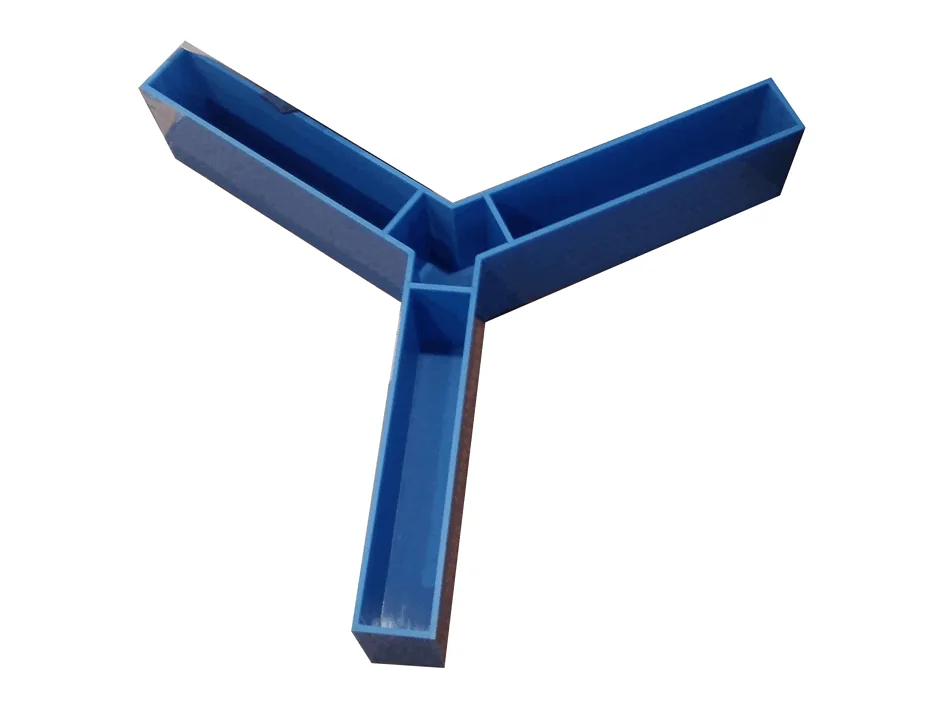
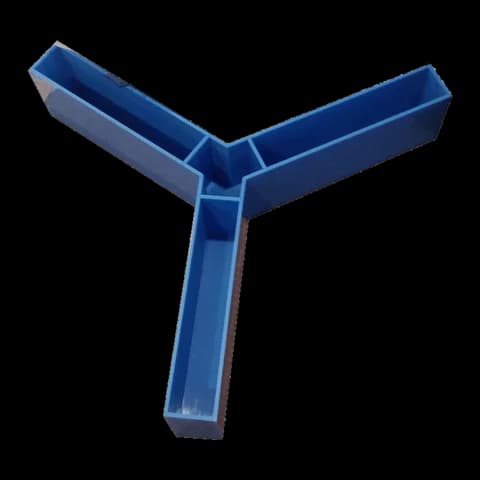
  • A blue acrylic Y-maze with three enclosed arms
    July 2015Y-maze
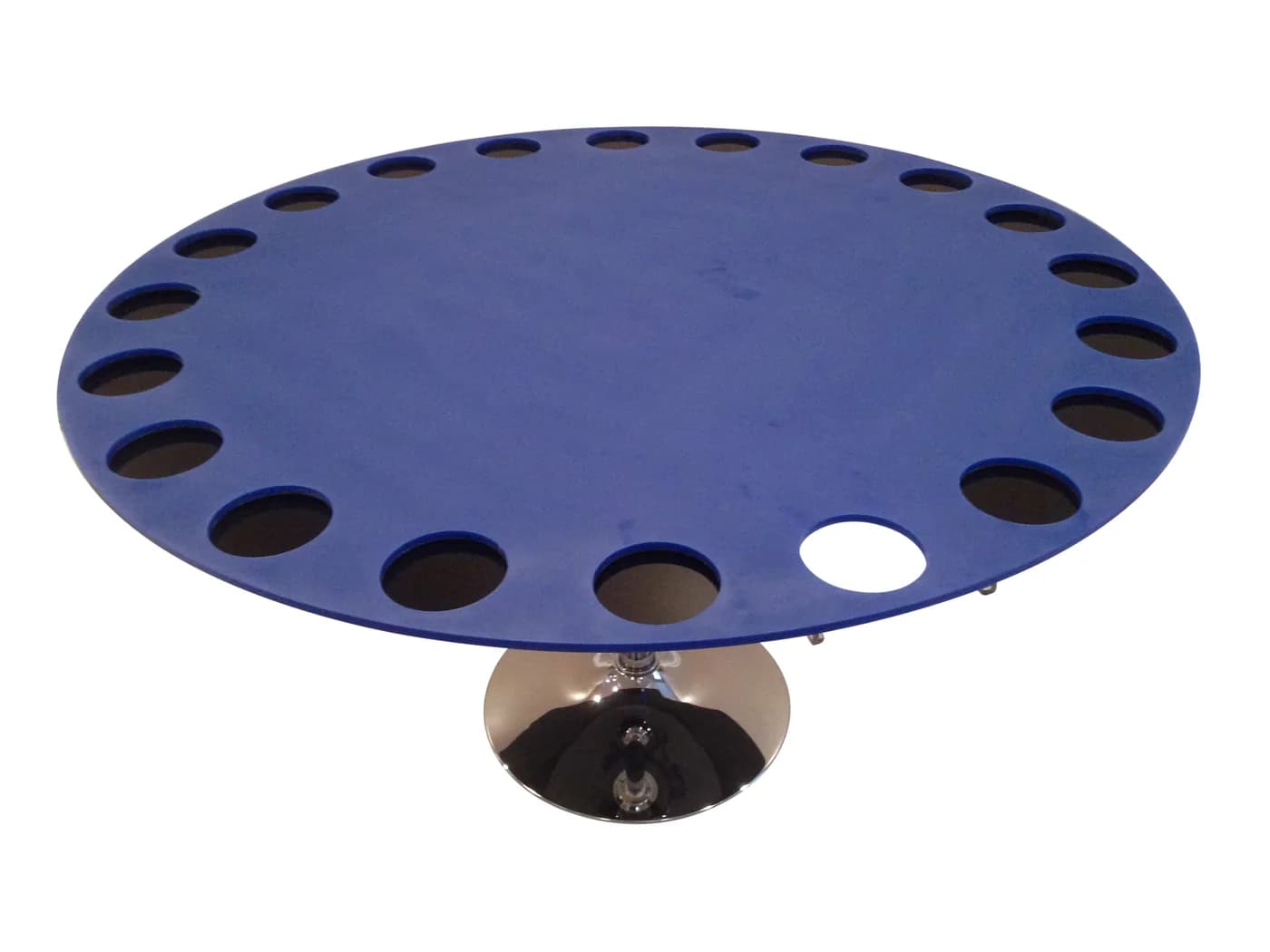
  • A blue Barnes maze: a round table on a chrome stand with escape holes around its edge
    2015Barnes maze
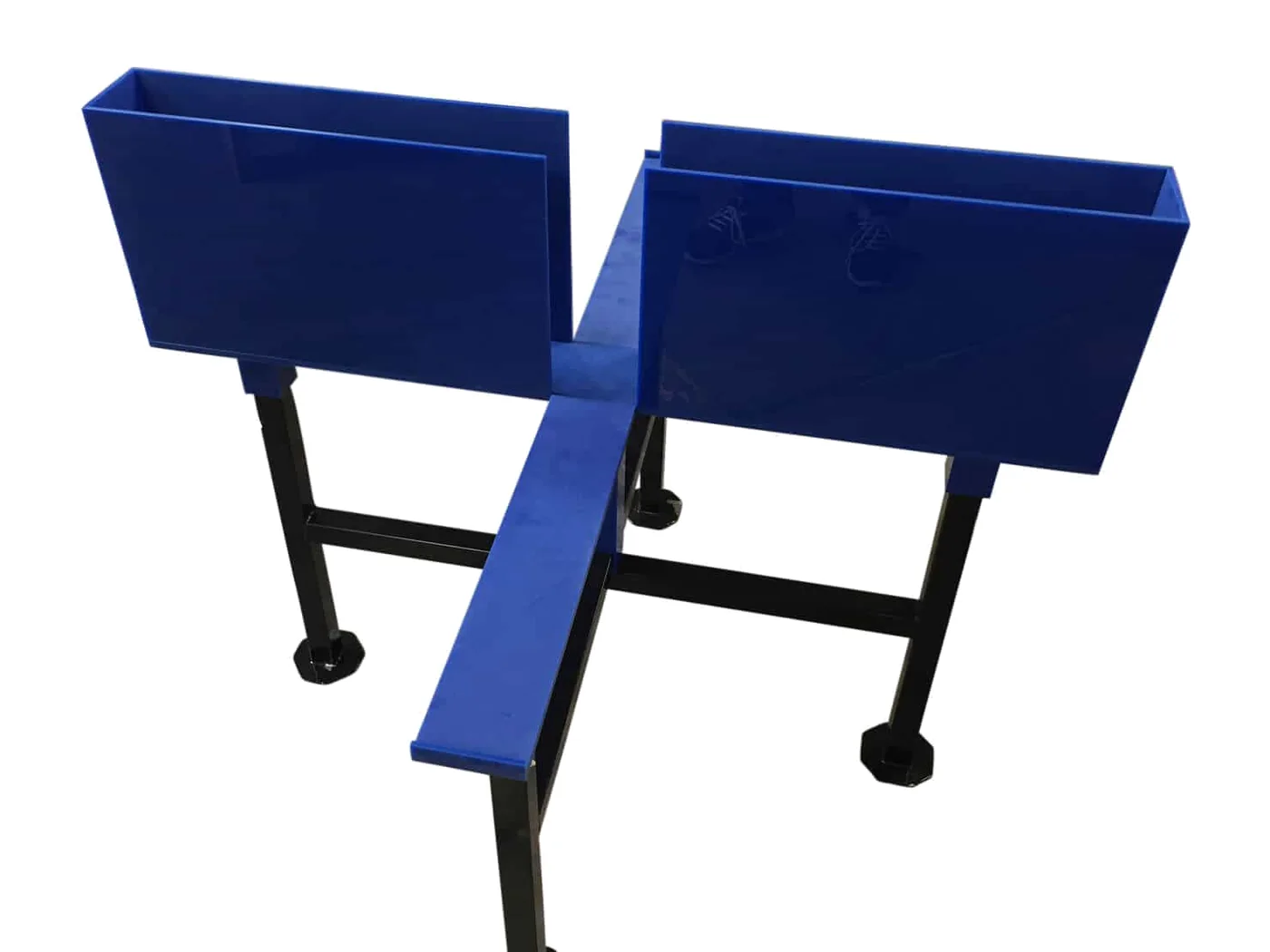
  • A blue elevated plus maze with two walled arms and two open arms on a black steel stand
    2015Elevated plus maze
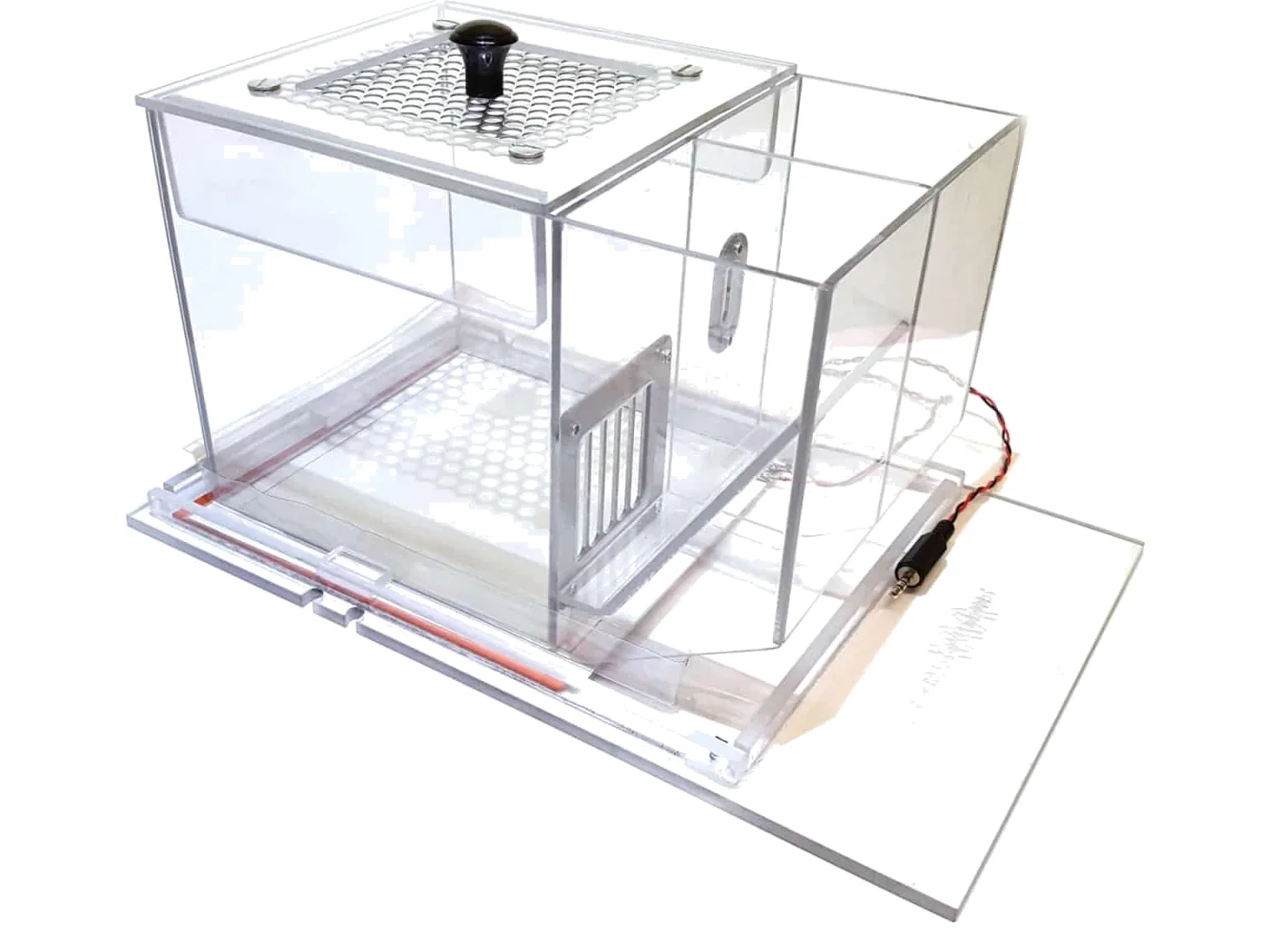
  • A clear acrylic operant chamber with a perforated floor, a lever panel and a sliding door
    August 2016Operant chamber

From the workshop, 2013 to 2015
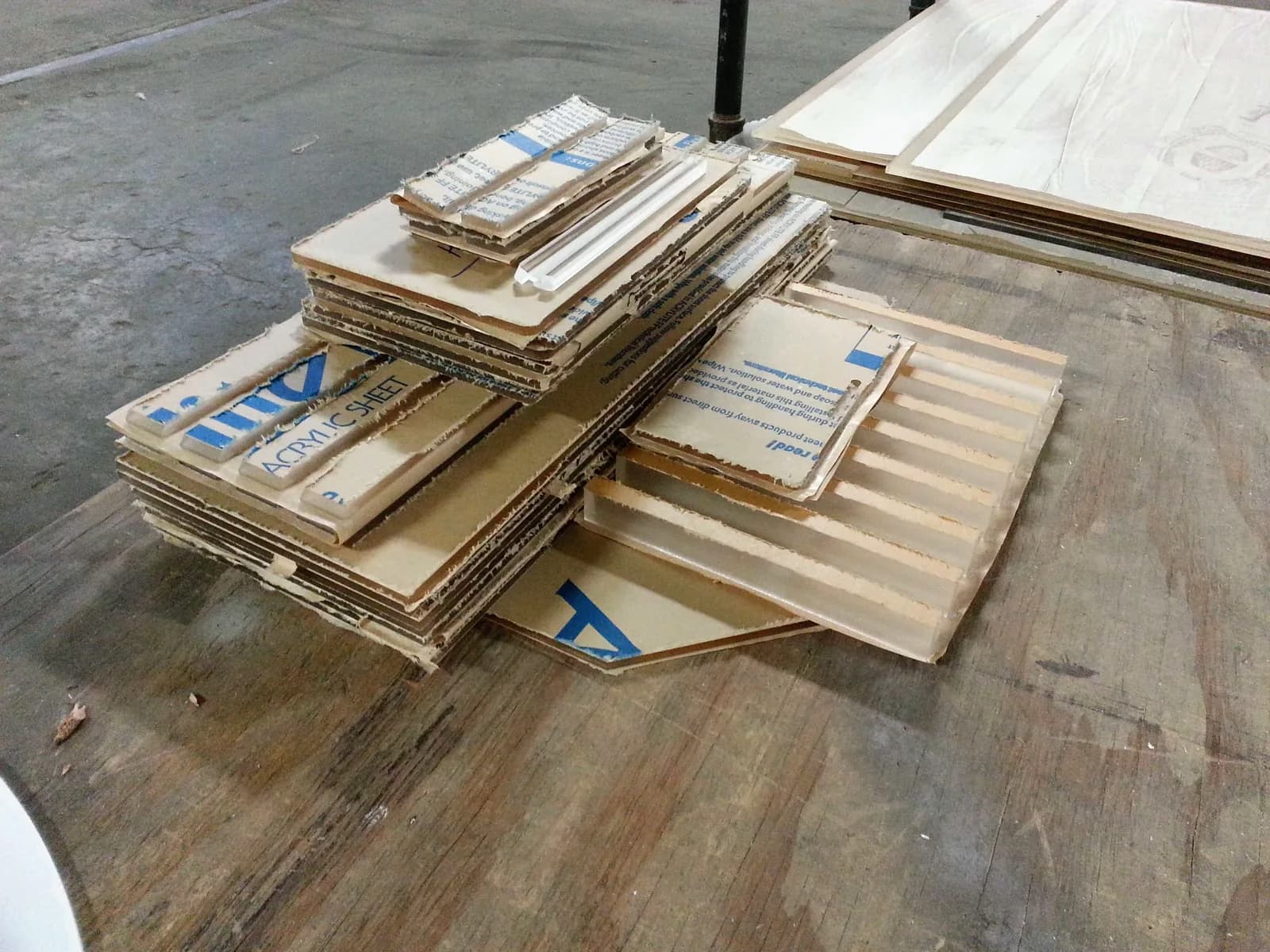
  • Cut acrylic strips and panels wrapped in brown paper printed Acrylic Sheet, piled on a worn plywood workbench
    June 2014Cut acrylic parts, still in their protective paper.
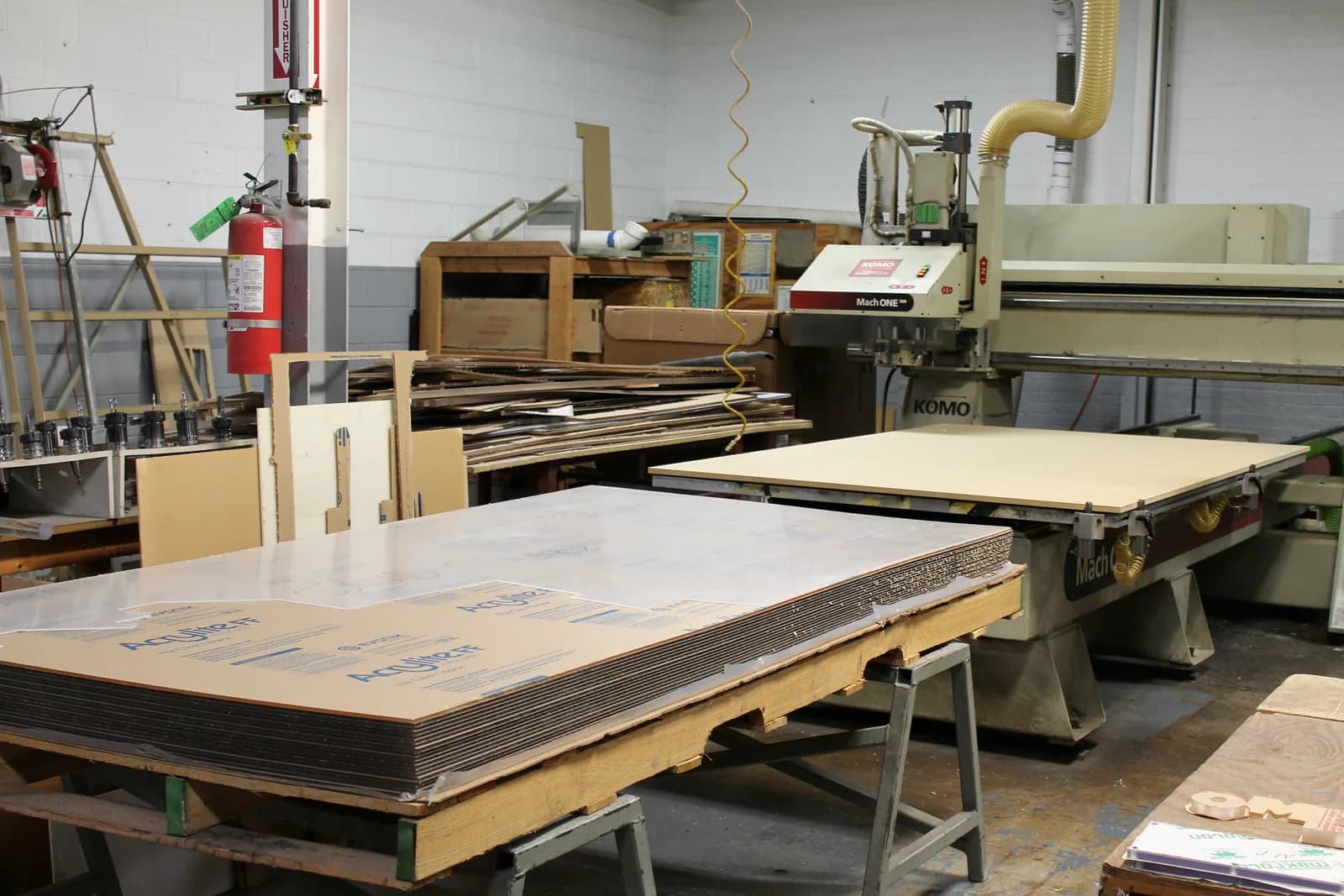
  • A tall stack of acrylic sheets in protective paper on sawhorses, with a large CNC router and stacked offcuts behind it
    March 2015Acrylic sheets beside a CNC router in a fabrication shop.
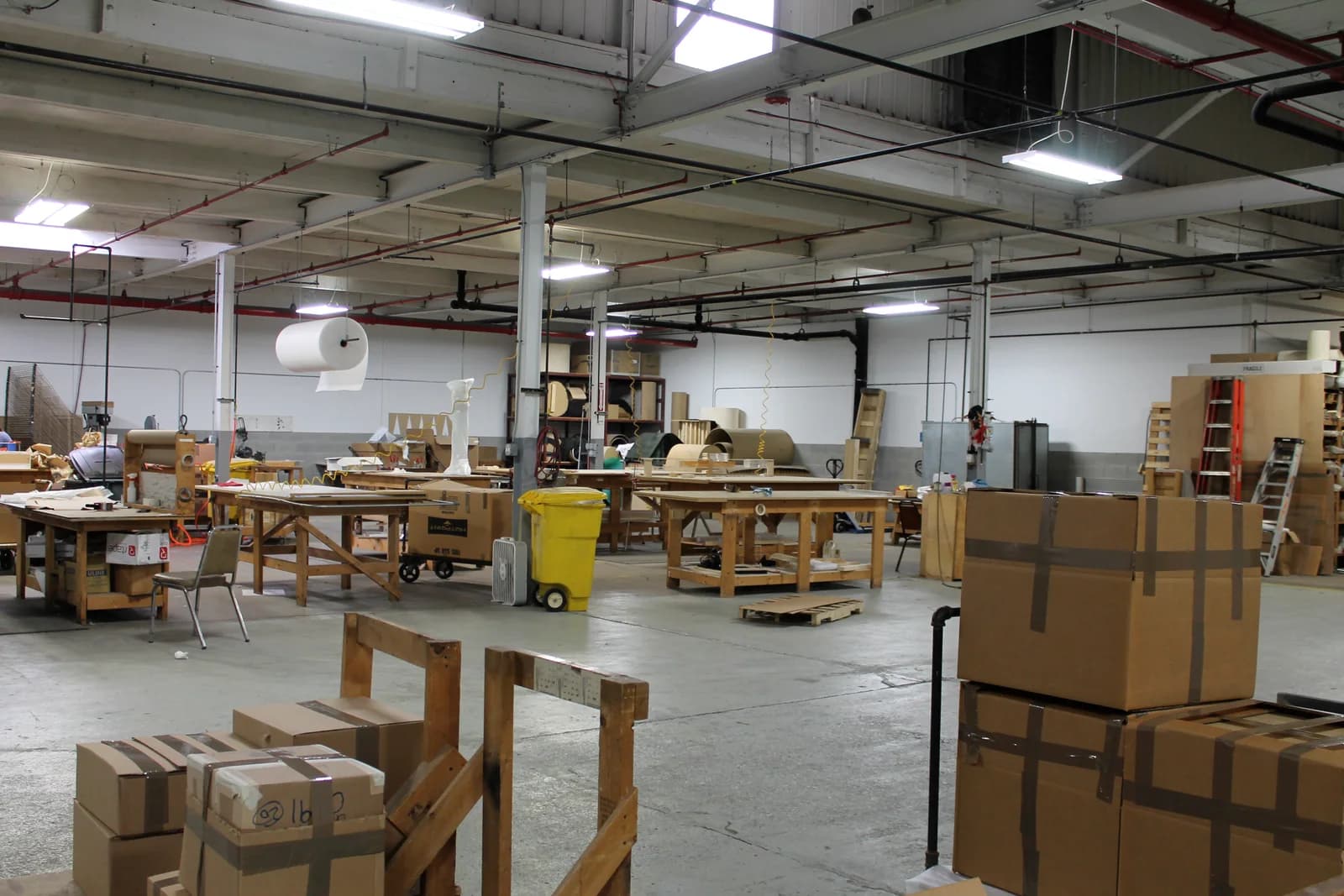
  • A wide fabrication shop with wooden workbenches, a hanging roll of packing material and shelves of materials, with taped cardboard boxes in front
    March 2015Boxes taped for shipping on the shop floor.
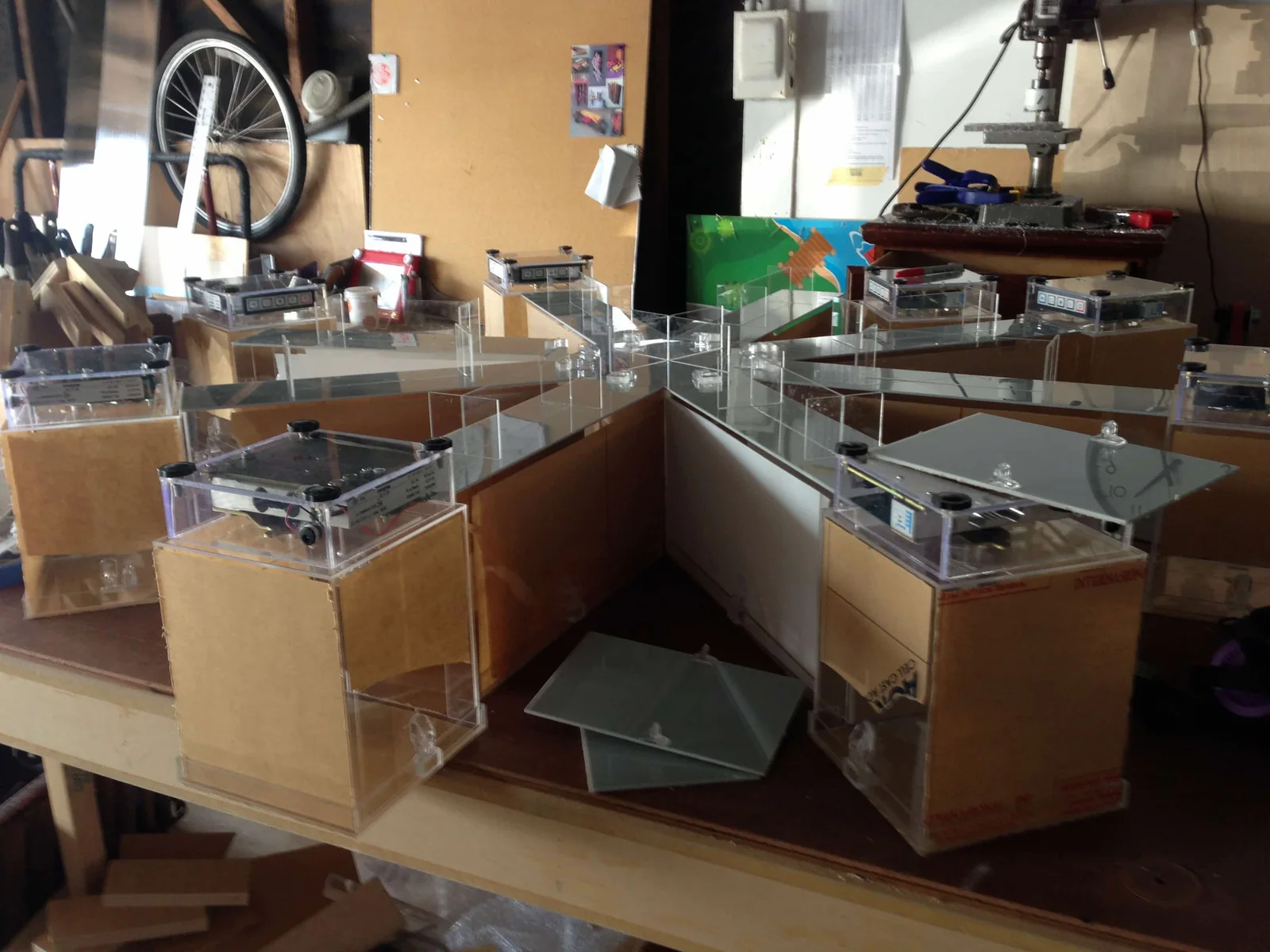
  • A clear acrylic eight-arm radial maze on a wooden workbench, each arm ending in a box topped by a clear case holding circuit boards
    2013A radial maze with circuit boards on its end boxes, masking paper still on.
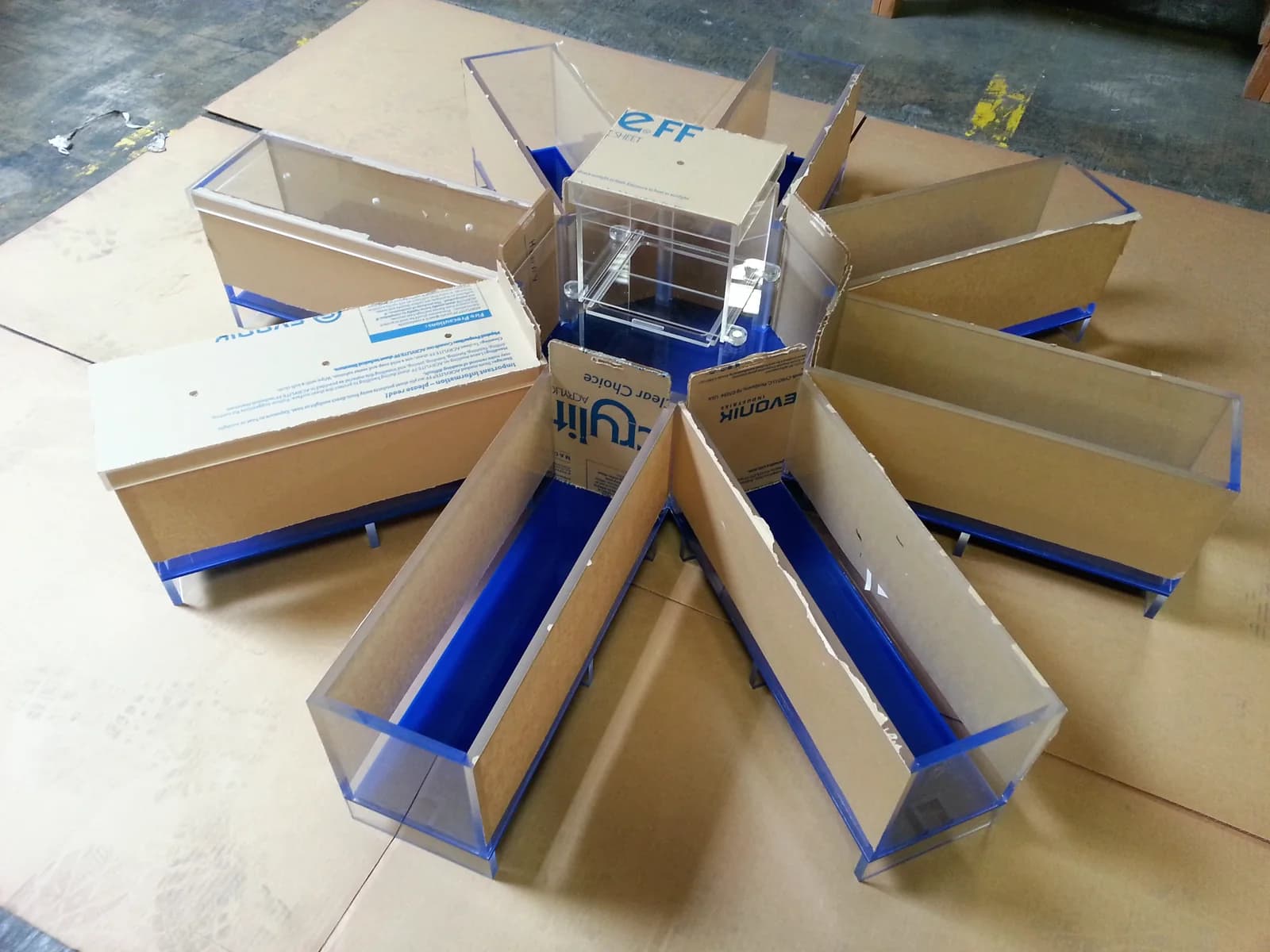
  • An eight-arm radial maze with blue floors and clear walls partly covered in brown protective paper, on flattened cardboard
    June 2014A radial maze with blue floors, protective paper still on.
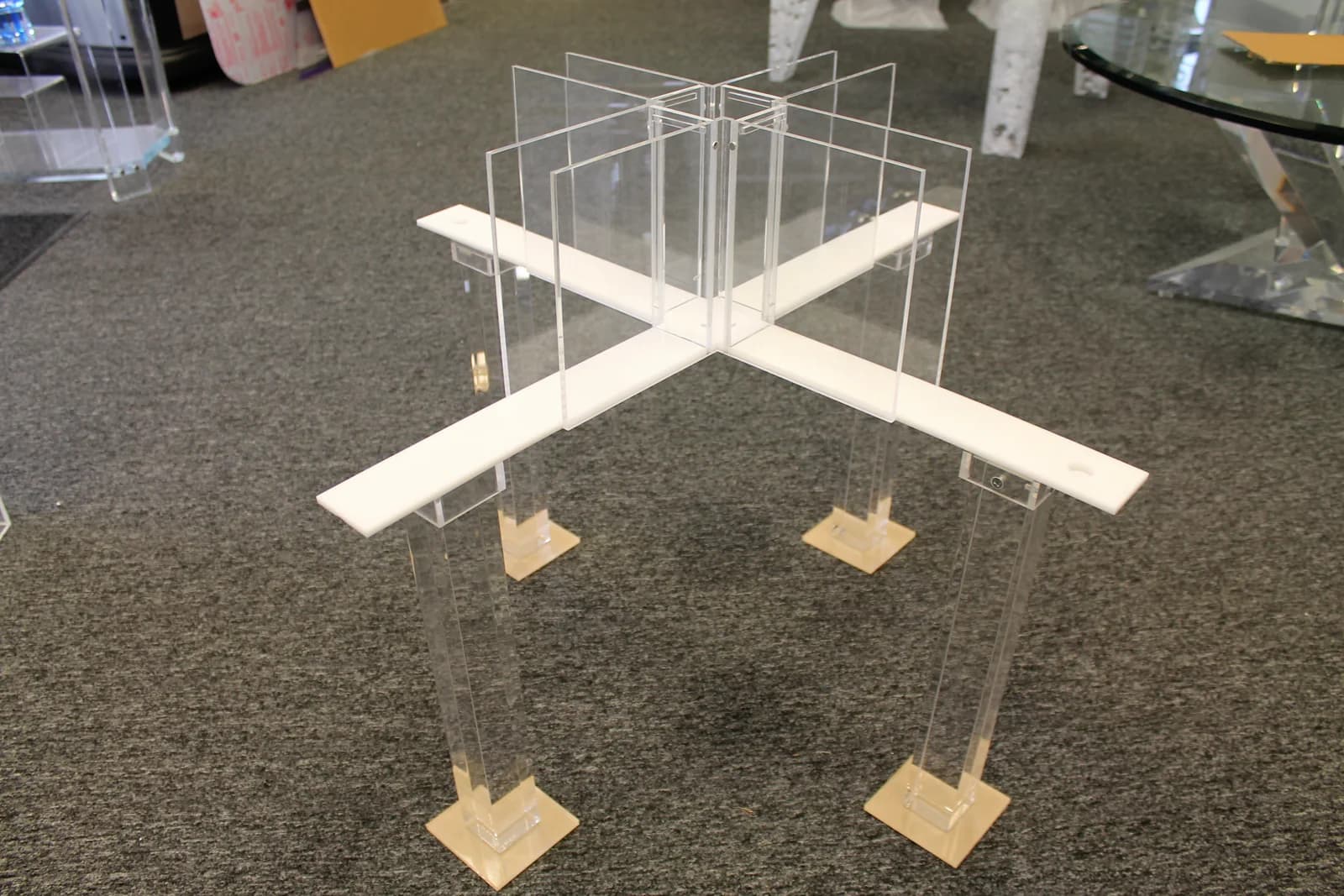
  • A plus-shaped maze raised on four clear acrylic legs, its white arms meeting at a center enclosed by tall clear panels
    September 2014An elevated cross maze with white arms and clear legs.
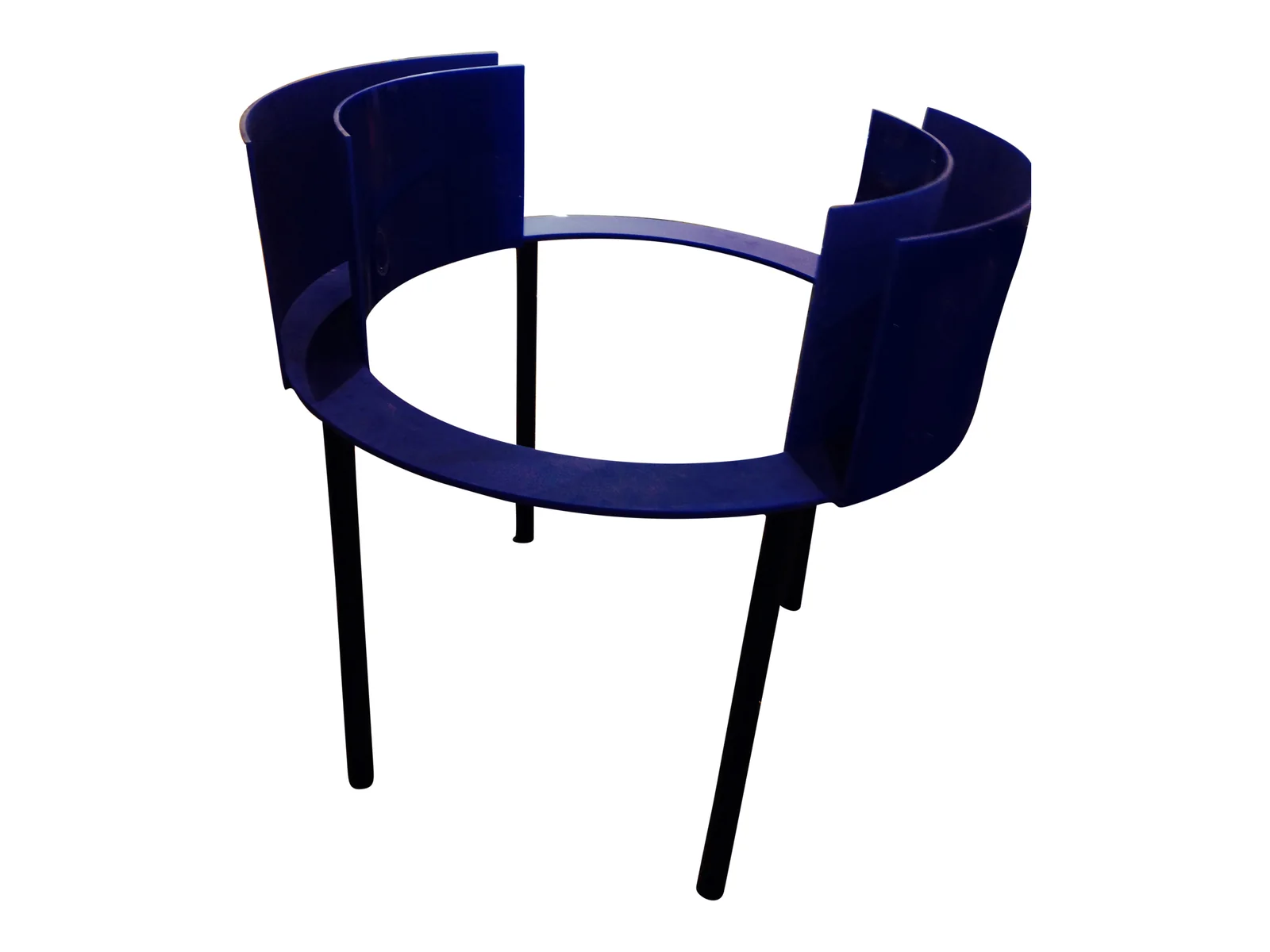
  • A blue ring-shaped maze raised on four black legs, with tall curved walls on two opposite quarters, on a white background
    June 2015A blue elevated zero maze.
03125 years of mazes

Each classic maze started in one laboratory.

Each was first described in a single paper. Other labs have been building it from that description ever since.

  1. 1901

    The first rat maze

    Willard Small at Clark University runs rats through a maze modeled on the hedge maze at Hampton Court.

  2. 1948

    Cognitive maps

    Edward Tolman argues from maze experiments that rats learn a map of their surroundings.

  3. 1976

    Radial arm maze

    David Olton and Robert Samuelson set eight arms around a center to study spatial memory.

  4. 1979

    Barnes maze

    Carol Barnes asks aging rats to find the one escape hole around the edge of a round table.

  5. 1981

    Water maze

    Richard Morris shows that rats find a hidden platform in a pool by remembering the room around it.

  6. 1985

    Elevated plus maze

    Pellow, File and colleagues validate two open and two closed arms as a test of anxiety.

  7. 1999

    Same test, three labs

    Crabbe, Wahlsten and Dudek run the same mouse strains through the same tests in three labs at once. The results differ by lab.

Our part of the story

  1. 2013

    MazeEngineers

    We begin building mazes to the dimensions in the papers that defined them.

  2. 2016

    ConductMaze

    Software takes over trial timing, doors and rewards, and logs every event.

  3. 2018

    Technology transfer

    University inventors license their apparatus to us so other labs can run it, with the inventors credited.

  4. 2023

    ConductVision

    Video tracking scores behavior by written rules and exports files another lab can open.

  5. 2025

    ConductScience.org

    Papers publish with their methods, data and code attached. NIH names us a Phase 1 winner of its S-Index Challenge.

  6. 2026

    NIH Replication Prize

    The NIH Common Fund names ConductScience and MazeEngineers winners. ShareScore takes Prize 2 in the S-Index Challenge.

Sources: Small, Am J Psychol 1901. Tolman, Psychol Rev 1948. Olton and Samuelson, J Exp Psychol Anim Behav Process 1976. Barnes, J Comp Physiol Psychol 1979. Morris, Learn Motiv 1981. Pellow et al., J Neurosci Methods 1985. Crabbe et al., Science 1999.

04What we build

Then we built the rest of the experiment.

The apparatus was the first source of drift we worked on. The procedure, the scoring and the write-up drift too, so each one got its own tool.

  1. Apparatus

    MazeEngineers

    Since 2013

    Mazes and arenas built to the dimensions, materials and sensor placement in the source paper.

    Learn more about MazeEngineers
  2. Procedure

    ConductMaze

    Since 2016

    Runs trial timing, doors and rewards the same way in every session, with a time-stamped log of each event.

    Learn more about ConductMaze
  3. Invention

    Technology transfer

    Since 2018

    Turns a university lab's prototype into equipment other labs can order, with the inventors credited.

    Learn more about Technology transfer
  4. Analysis

    ConductVision

    Since 2023

    Scores behavior from video by written rules and exports results another lab can rerun.

    Learn more about ConductVision
  5. Publishing

    ConductScience.org

    Since 2025

    Publishes the methods, data and code with each paper, under a permanent citation.

    Visit about ConductScience.org (opens in a new tab)

Does it work?

Control groups on our equipment varied about half as much.

We went back to 41 published studies that used our apparatus and pulled out 58 independent control groups. Their average coefficient of variation was 0.41. The 1999 three-lab study, the field’s benchmark, measured 0.76. Less noise between sites makes a real effect easier to detect.

Four tests: elevated plus maze, elevated zero maze, open field and Y-maze. From our NIH Replication Prize submission, 2026. Read the prize story

Variation in control groupsCoefficient of variation, lower is more consistent

Since 2013

Research organizations served
1,200+
Countries
50+

05ConductVision

Behavior, scored the same way every time.

ConductVision is our computer-vision platform. It turns video and microscope images into measurements by written rules, so a second lab can score its own video the same way. It runs in research programs at more than 15 institutions, from R1 universities to industry labs.

Social interactionFour mice, each tracked by its own set of body points, including while they touch.
Zebrafish shoalingEvery fish in the shoal tracked by its own chain of body points.
  1. Rules instead of judgment

    Score the same images by hand and two people disagree by 15 to 30%. With a locked ConductVision protocol, the disagreement falls under 2%.

  2. Identity through contact

    Each animal keeps its identity when animals touch, so social behavior no longer has to be scored by hand.

  3. On your own computer

    Analysis runs at full video speed, 30 frames per second, on the lab's own machine, without sending unpublished recordings to an outside server.

  4. A record with every result

    Exports come as CSV, JSON or HDF5 with a manifest of the software version, frame rate, animals, conditions and behavior settings, plus an audit trail of every processing step.

Tracking accuracy
98.7%
Pose estimation
99%
Identity across animals
97.5%
Zone detection
99.2%

Published ConductVision benchmarks. See how they were measured

Barnes maze in ConductVisionA mouse's path across the 20-hole table, with its position logged in every frame.

Every run leaves a table.

A Barnes maze run records the path, the entries and time at each of the 20 holes, and the animal’s position in every frame. Every lab that runs the protocol gets the same table with the same definitions.

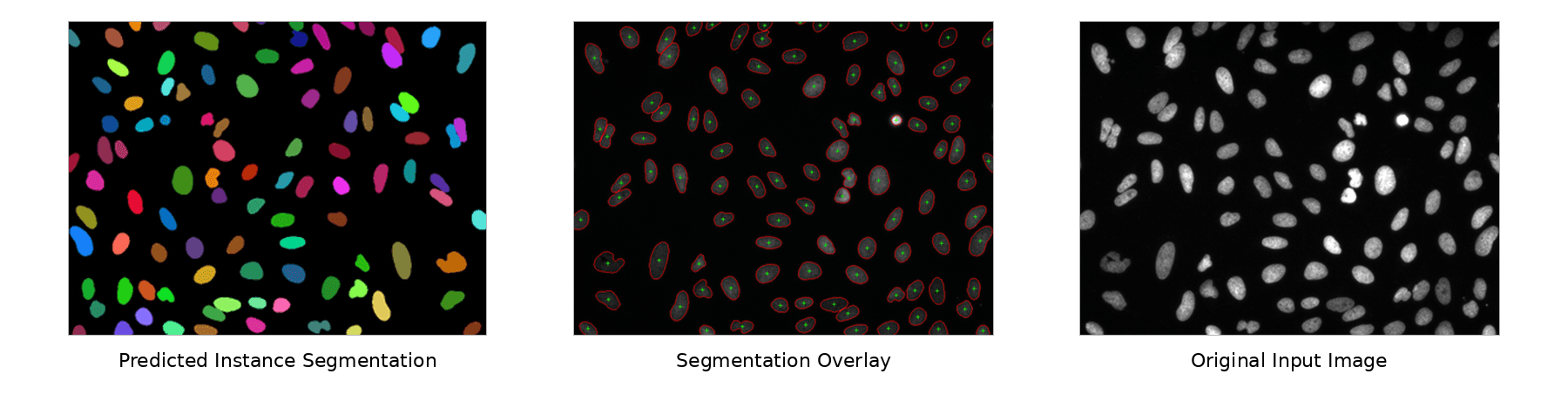
Three panels of fluorescent cell nuclei: predicted segmentation with each cell in a different color, the outlines overlaid on the image, and the original image
ConductVision Image validationPredicted segmentation, the overlay and the original fluorescence image.

The method is published as US patent application 2026/0112201 A1 (opens in a new tab), April 2026.

  • 102 validated assays

    Ready-made workflows for rodents, zebrafish, Drosophila and C. elegans, from the Barnes maze to grooming and seizure detection. Up to 16 arenas can run from one camera grid.

  • ConductVision Image

    Counts cells and colonies, scores stained tissue and follows nuclei through time-lapse. Cell counting reached 99.2% precision against 23,615 cells annotated by hand.

  • Materials science

    Measures grain size, coating thickness and porosity, particle size and fabric quality from microscope and camera images.

  • Human movement

    Measures gait and 68 facial landmarks from ordinary video.

06The store

A store built around the method.

Most lab catalogs list weight, dimensions and a part number. Ours is sorted the way a study is planned: by field, by the behavior you measure and by the animal. Its filters double as data, and its specifications keep a record you can cite.

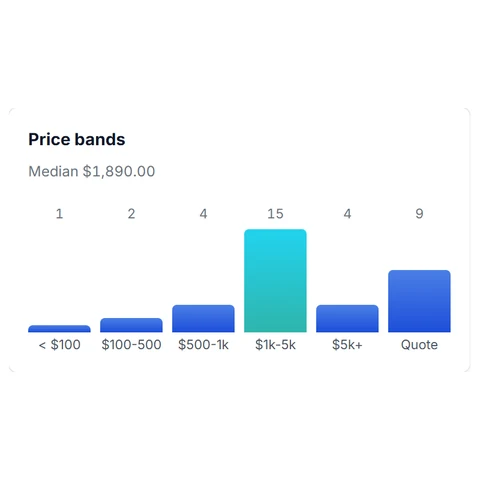
Behavioral Mazes, from the store

Every filter is also a count. Pick one to open the store with it on.

Counts come from the store’s filter index and refresh every hour. A product can count toward more than one paradigm or animal.

Category pages

Search by what you measure

Instruments are described by what they measure, by which method and on which sample. Filter by the behavior you study, or describe your study and the apparatus advisor ranks what fits. Each category also compares its apparatus types by what they measure, charts the products it lists, and turns a filtered shortlist into a quote.

Which type is right?

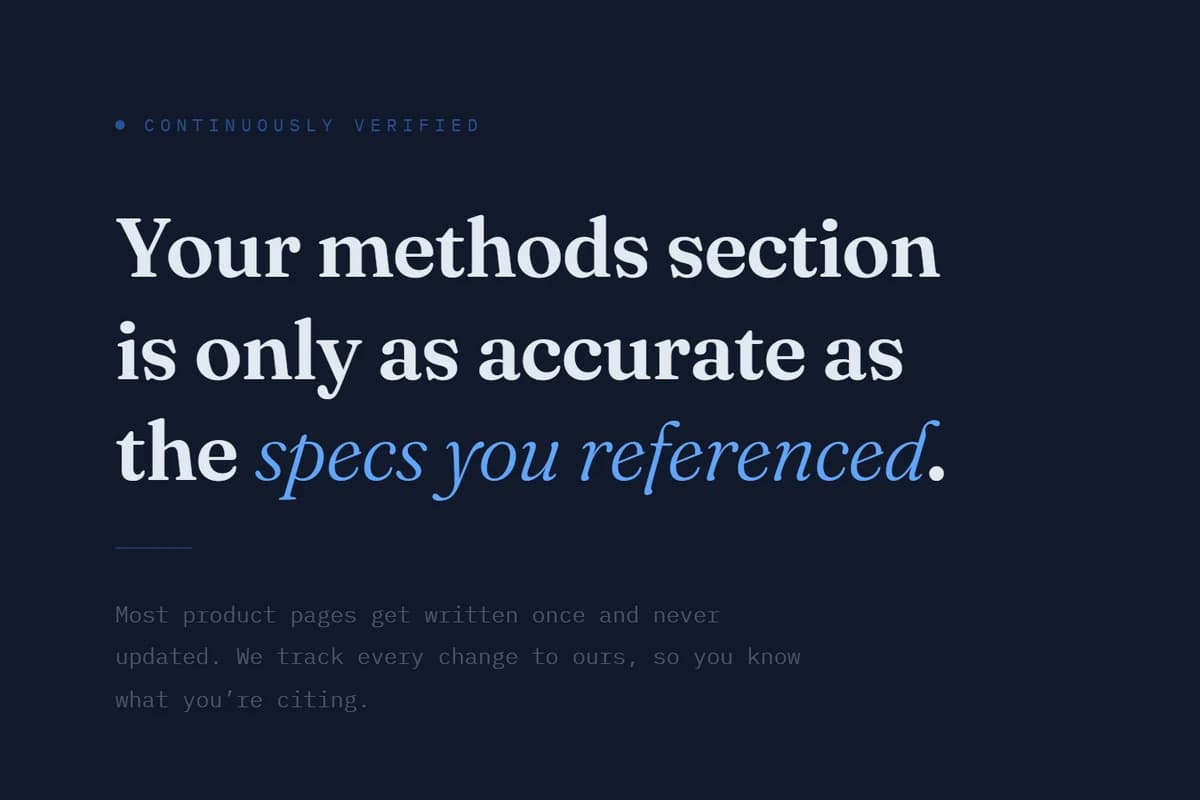
Continuously Verified

A specification you can cite

Continuously Verified makes a product page part of the methods record. The specification is checked against what we build, each change is logged with its date and reason, and a paper can cite the exact version it used.

  1. 01Checked against productionSpecifications are checked against what we build now, not written once at launch.
  2. 02Every change loggedA change raises the version and records what changed, when and why.
  3. 03History in publicThe version log sits on the product page, where anyone can read it.
  4. 04Cite the versionThe page gives a citation for the exact specification version, ready for a methods section.
How Continuously Verified works
The opening of the Continuously Verified page on ConductScience.com, with the headline Your methods section is only as accurate as the specs you referenced, and the line We track every change to ours, so you know what you are citing
Continuously VerifiedThe Continuously Verified page on ConductScience.com.
The glass box, part by part
PartBlack-box vendorConductScience
CitationNot linkedThe published method and the product record stay linked
SpecificationNot versionedDimensions, materials, sensors and timing are visible
VersionUnknownDated changes keep what each lab actually ran
ProcedureNot inspectableConductMaze turns protocol steps into runs you can repeat
AnalyticsNot exportedConductVision exports behavioral measures you can inspect
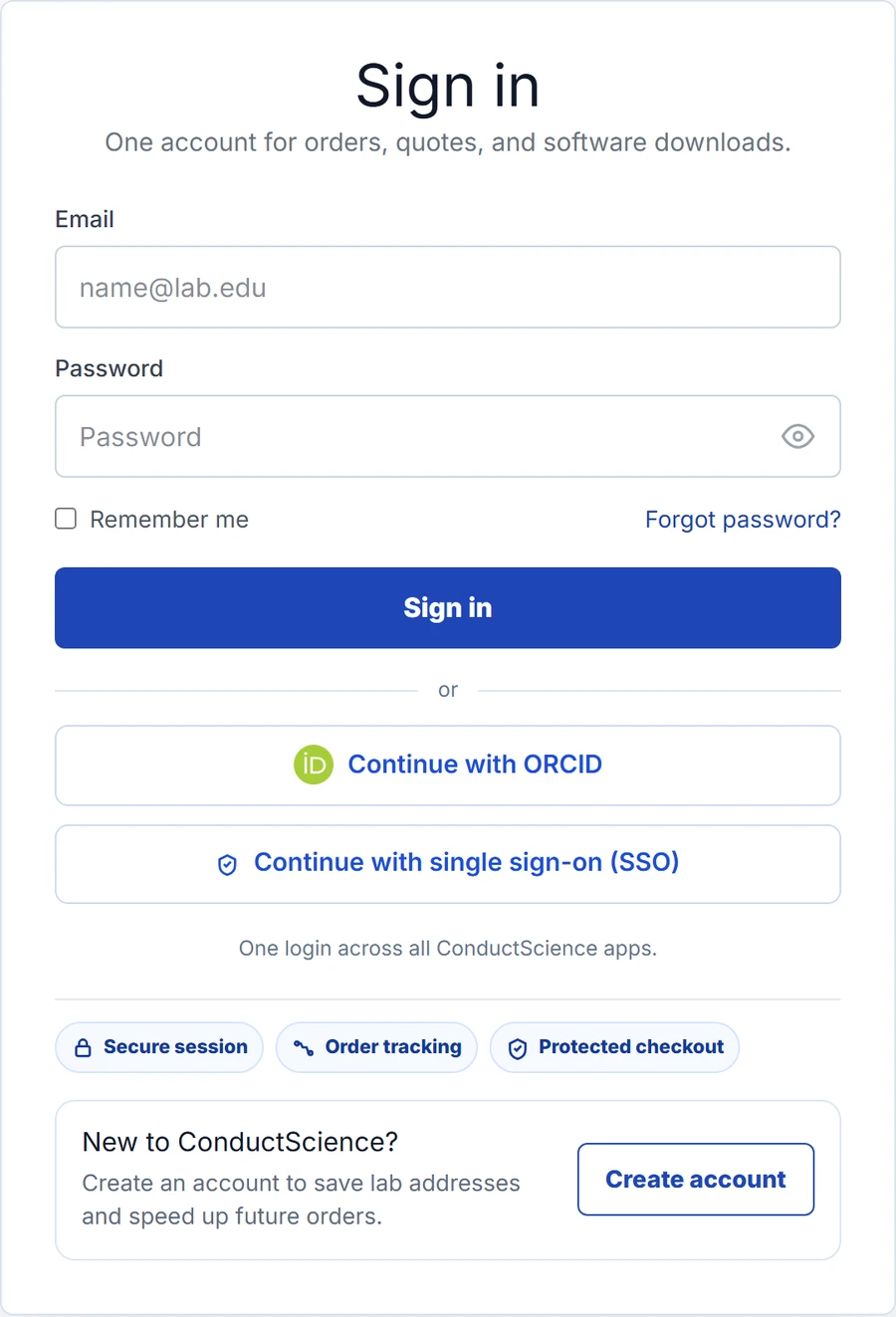
The ConductScience sign-in page with buttons to continue with ORCID or with single sign-on, and the line One login across all ConductScience apps
Sign-in on ConductScience.comORCID and single sign-on, with one login across our apps.

One account

Sign in with ORCID

Sign in with the ORCID iD you publish under. One account covers orders, quotes, software and every ConductScience app.

  • The papers behind each product

    Product pages list the peer-reviewed papers that used the instrument, so you can see how other labs ran it before you buy.

    Browse all citations
  • Buying the way institutions buy

    Quotes, purchase orders, invoices and tax-exemption review are built in. Members of the Massachusetts Higher Education Consortium buy at contract prices through the MHEC Partner Desk, under a five-year contract awarded in May 2026.

  • Care after delivery

    ConductCare can deliver, install and calibrate an instrument at the bench, and keeps its setup record and service history in the lab's account. Plans run up to five years.

    ConductCare

07Software

Software that keeps the method with the data.

Our apps run the everyday work of research: the calculation, the colony, the cognitive test, the language sample and the IRB review. Each one records how its results were reached.

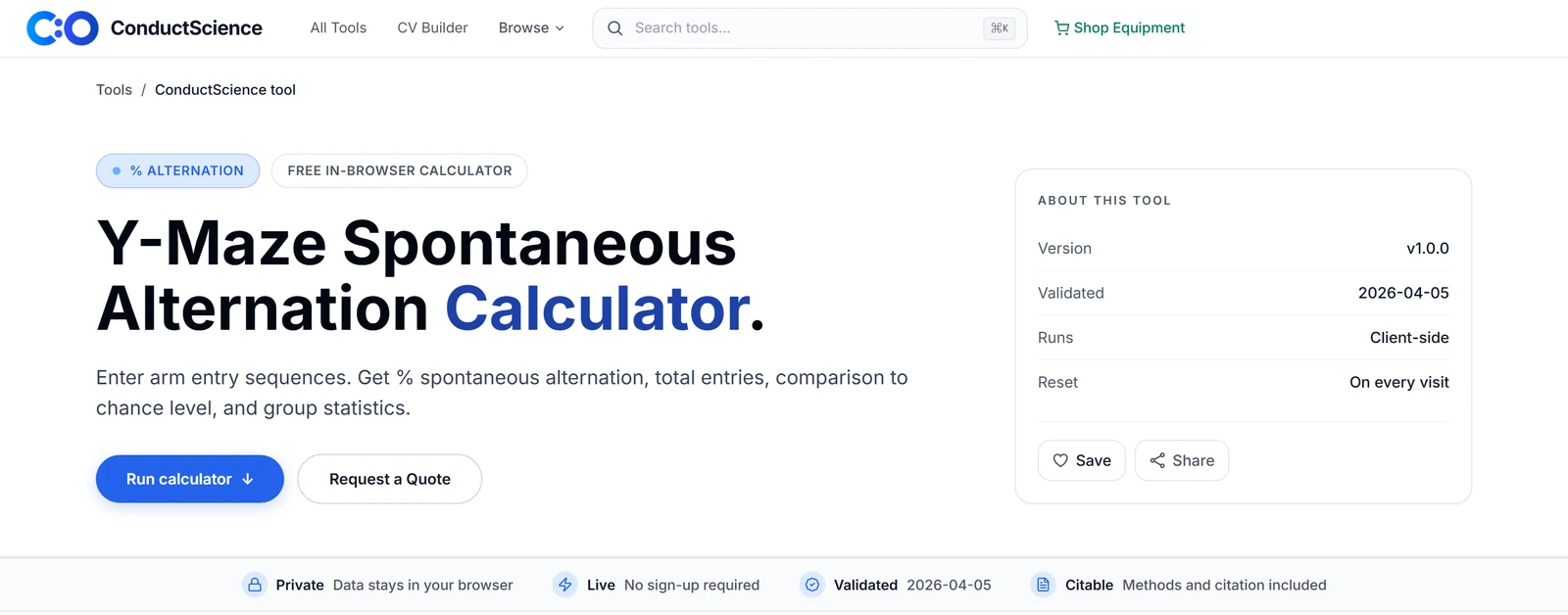
The free Y-maze spontaneous alternation calculator on ConductScience.com, showing its version, validation date, client-side processing and citation notes
A free toolEach tool shows its version and validation date and runs in the browser.

392

free research tools

Calculators and file tools across 52 disciplines, free and without an account. They run in your browser, so files stay on your computer, and each one gives you the method and citation to report.

Open the tools
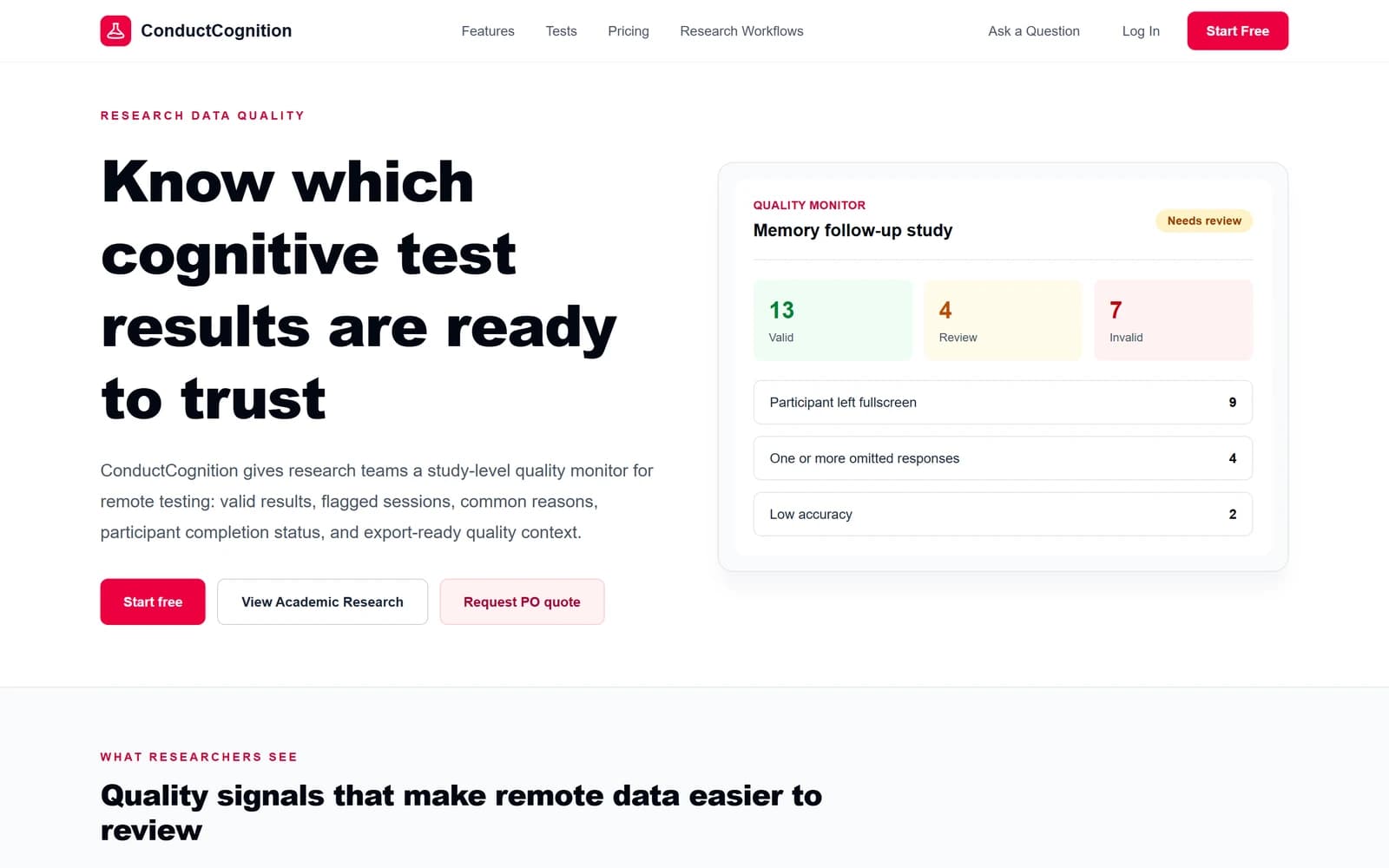
  • The ConductCognition study quality monitor for a sample study, with 13 valid, 4 review and 7 invalid sessions and the reasons each session was flagged
    ConductCognition study quality monitorA sample study: each session is marked valid, review or invalid, with the reason.

    ConductCognition

    46 cognitive tests that run from a link in any browser, including eight paradigms that match a widely used commercial battery. Every norm names the published study behind it, with its sample size and age range.

    Visit ConductCognition (opens in a new tab)
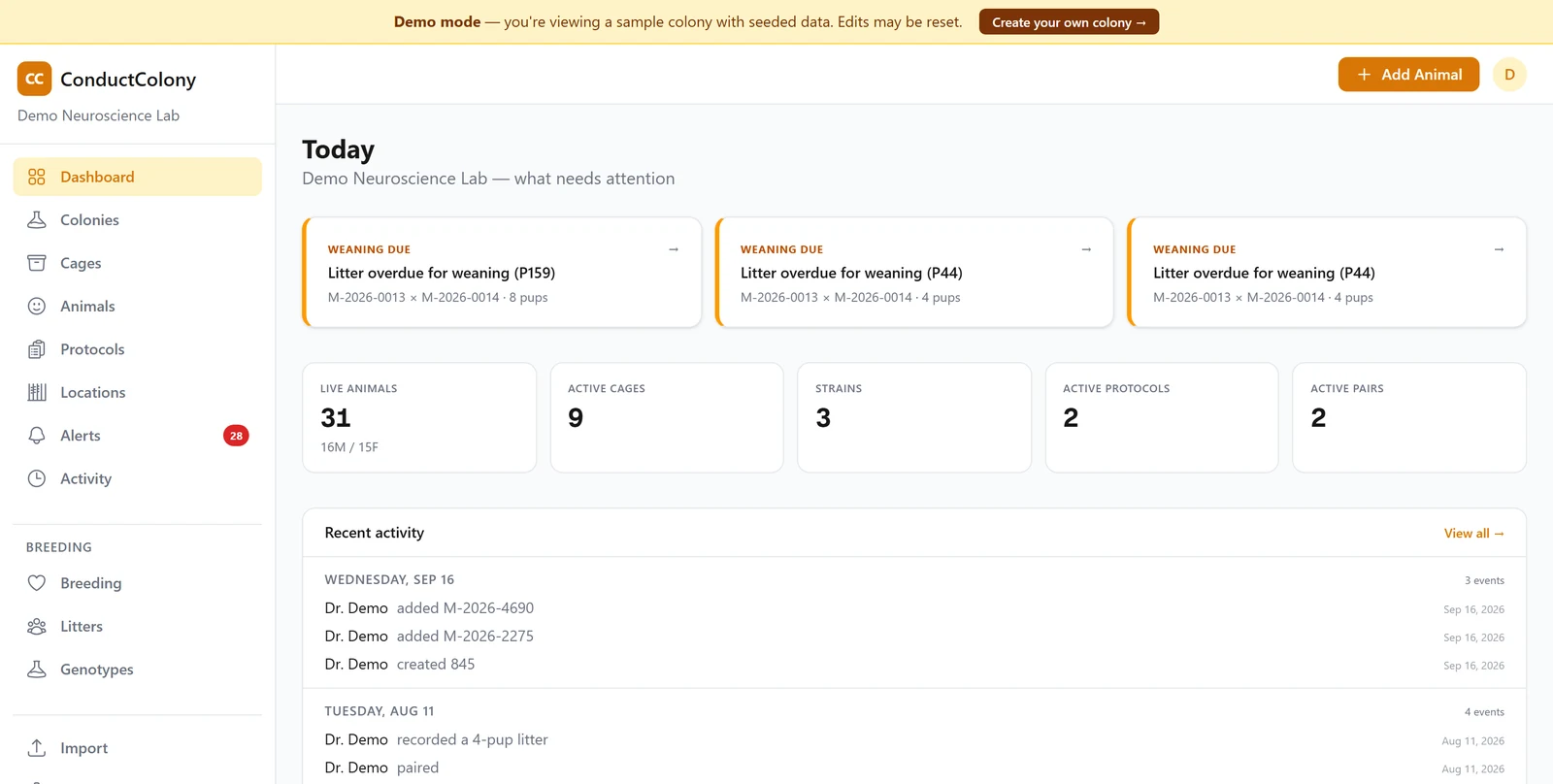
  • The ConductColony dashboard in demo mode with weaning alerts, counts of animals, cages, strains, protocols and breeding pairs, and a dated activity log
    ConductColony demoA sample colony: weaning alerts, counts and a dated log of every change.

    ConductColony

    Keeps a lab's cages, litters, genotypes and pedigrees in one record, and warns the lab 30 days before an animal protocol expires. It imports records from a spreadsheet or another colony system, and the whole import can be undone.

    Visit ConductColony (opens in a new tab)
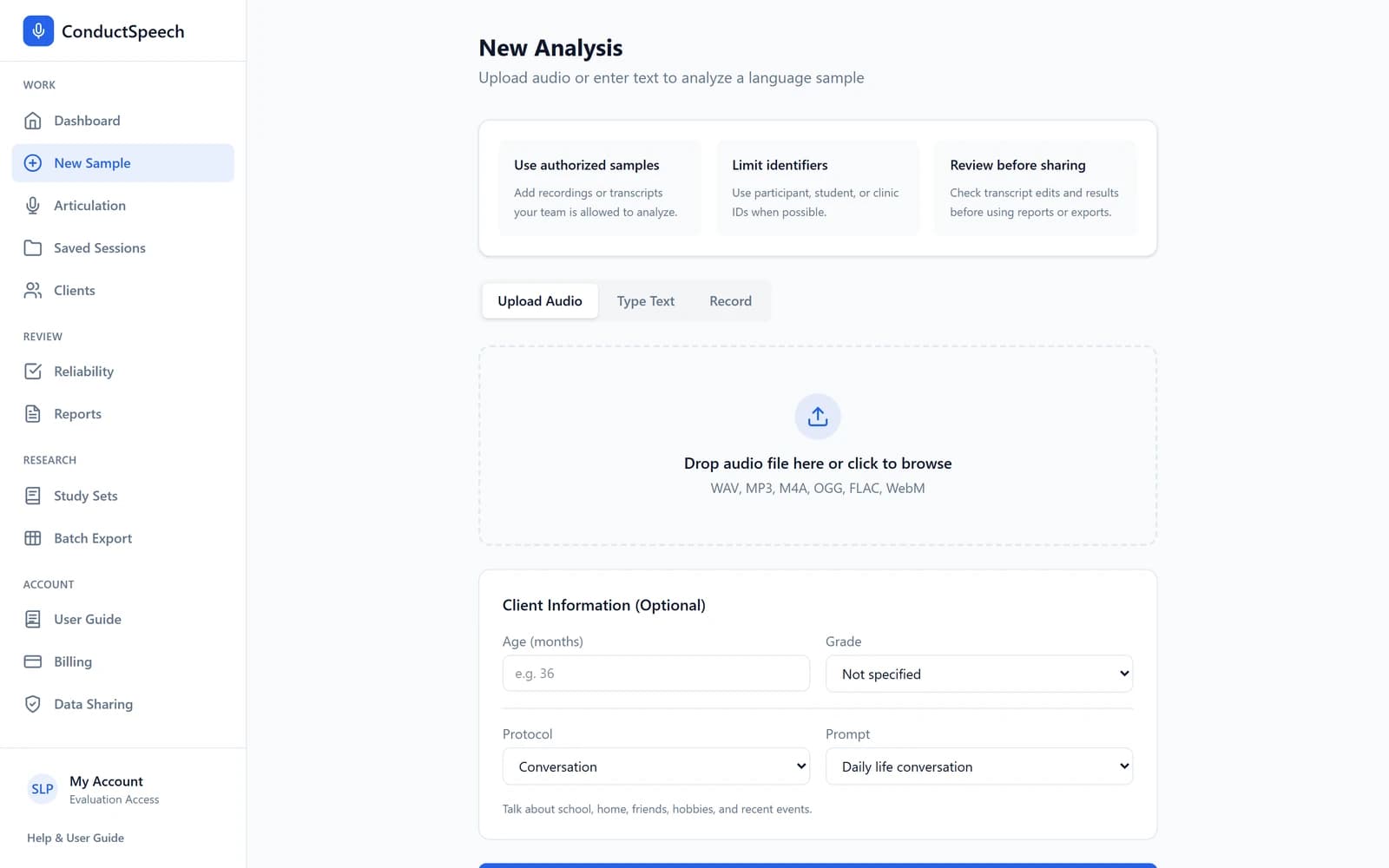
  • The ConductSpeech New Analysis screen with tabs to upload audio, type text or record, an audio drop zone and a sidebar of sessions, clients, reliability and reports
    ConductSpeechA new language sample: upload, type or record.

    ConductSpeech

    Transcribes a recording of a child talking, scores 13 language measures against grade norms and drafts the report in about five minutes, work that takes two hours by hand.

    Visit ConductSpeech (opens in a new tab)
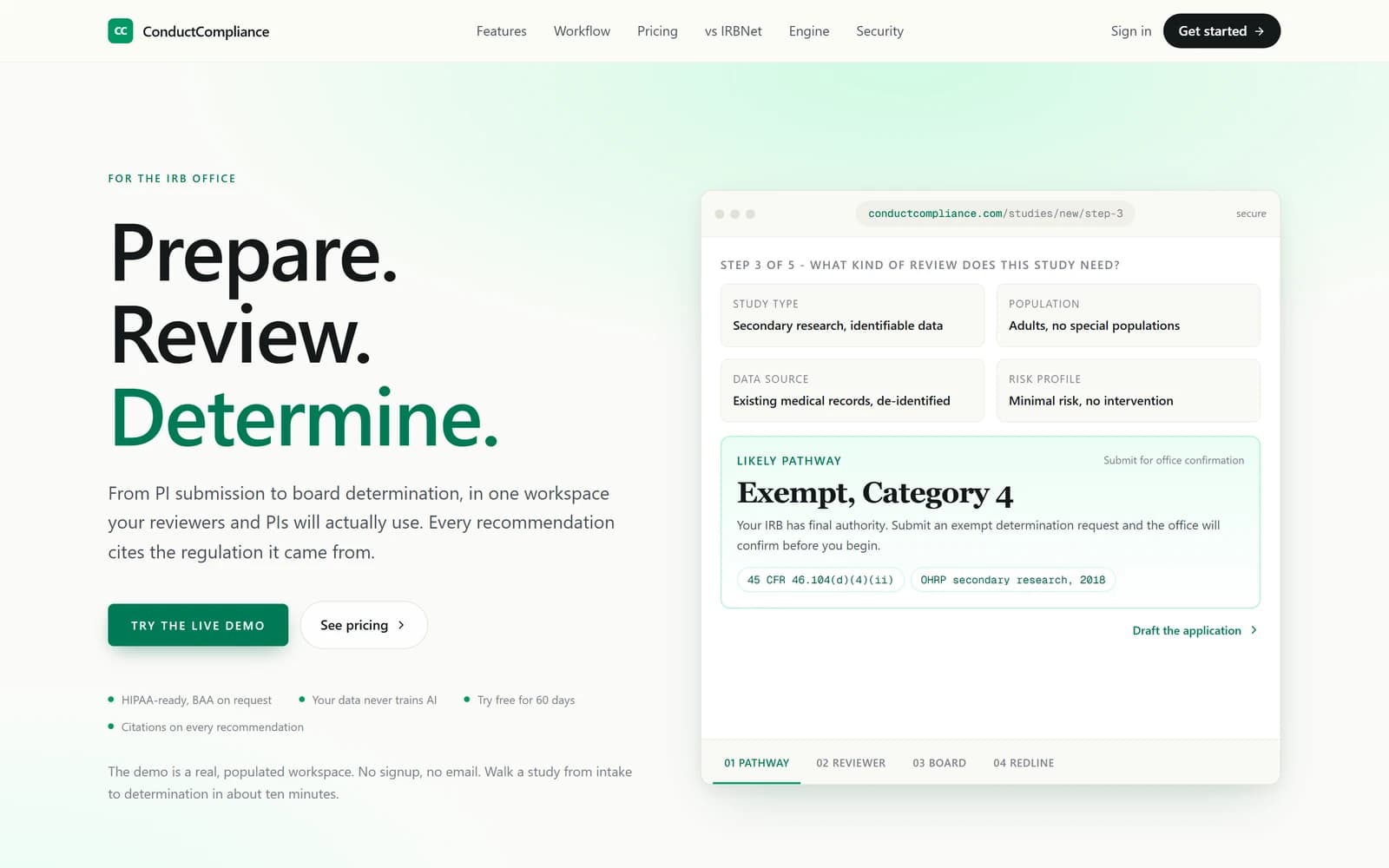
  • The ConductCompliance home page for IRB offices, with the headline Prepare. Review. Determine. and a sample study whose likely review pathway, Exempt Category 4, cites 45 CFR 46.104
    conductcompliance.comA sample study: the likely review pathway, with the regulation behind it.

    ConductCompliance

    IRB management software: submission intake, reviewer workflow, board meetings and determination letters in one workspace, with an audit trail of every step. Each recommendation cites the regulation it came from.

    Visit ConductCompliance (opens in a new tab)

When the evidence is thin, the software says so.

ConductCognition labels each norm by how closely it matches your participants: direct, analog, interpolated, exploratory or unsupported. ConductSpeech builds its norms from the open CHILDES corpus and withholds a standardized score when fewer than 30 children stand behind it.

More than 300 researchers and clinicians signed up for our software in 2026. One ConductScience account works across our apps.

08How we work

A glass box, on purpose.

Anyone should be able to check how a result was made. So we publish what goes into ours.

  • Built from the paper

    Each apparatus design is tied to the published study that defined it, down to its dimensions and materials.

  • Credit for inventors

    When a university lab licenses its design to us, the inventors keep the credit and a share of the revenue.

    Technology transfer
  • Paid for by the work

    Labs fund this work by buying equipment, so the reference designs stay in production after any one grant ends.

“One of the fundamental principles that we had was that our outputs would not be in any sort of proprietary format, that we wanted to create results that anyone could share and use.”

Shuhan He, MD, at the NIH S-Index Innovation Event, July 2026

09Open science

Every dataset deserves a second life.

Repeating an experiment takes the data as well as the equipment. So we built places to publish data, cite it and measure how reusable it is.

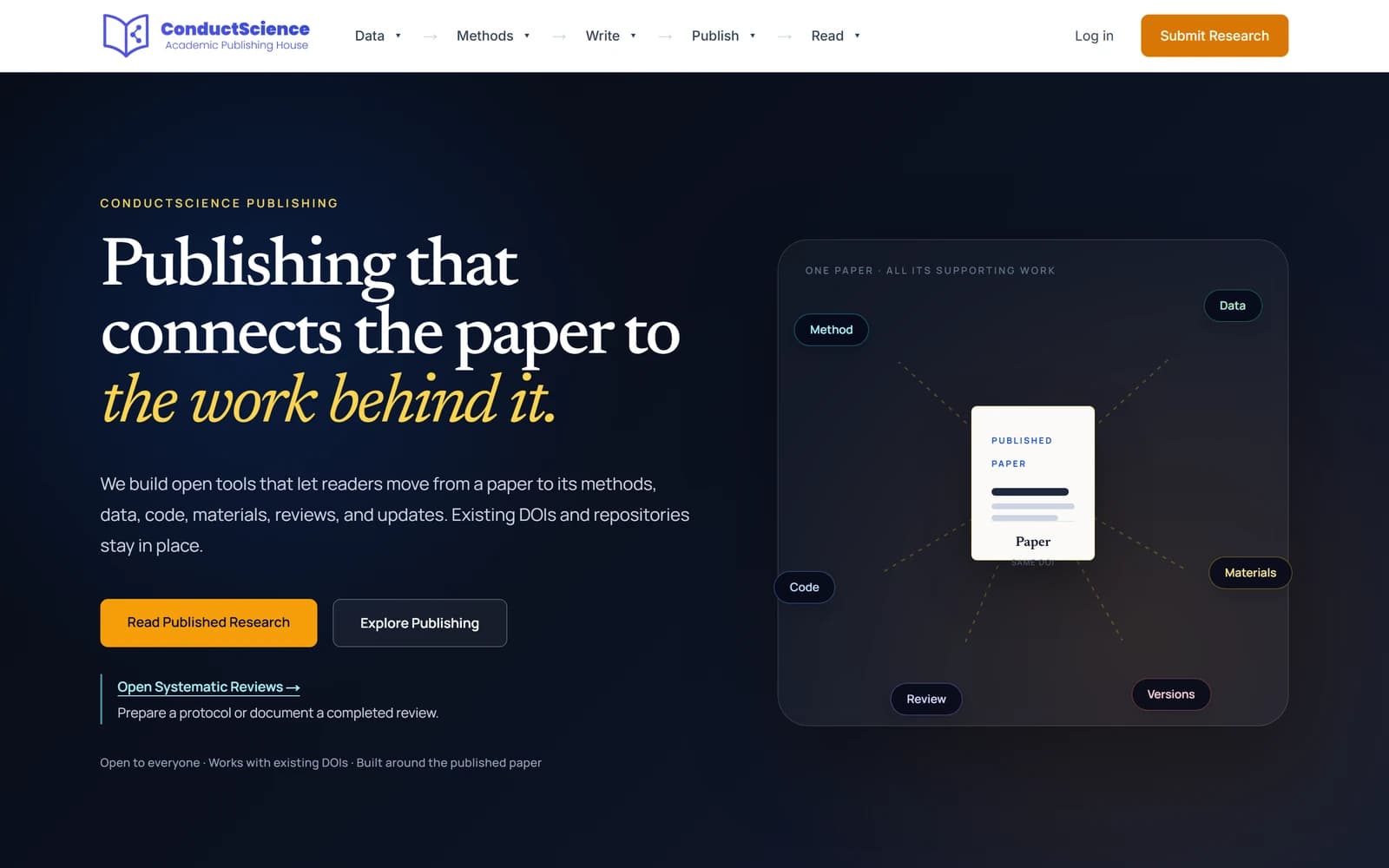
  • The ConductScience.org home page with the headline Publishing that connects the paper to the work behind it, and a diagram linking a paper to its method, data, code, materials, review and versions
    ConductScience.orgEach paper links to the work behind it.
  • The ConductScience Data page with the headline Research data you can inspect before you reuse, a deposit button and a search bar for data records
    ConductScience DataDeposit a dataset and its code, and search published records.
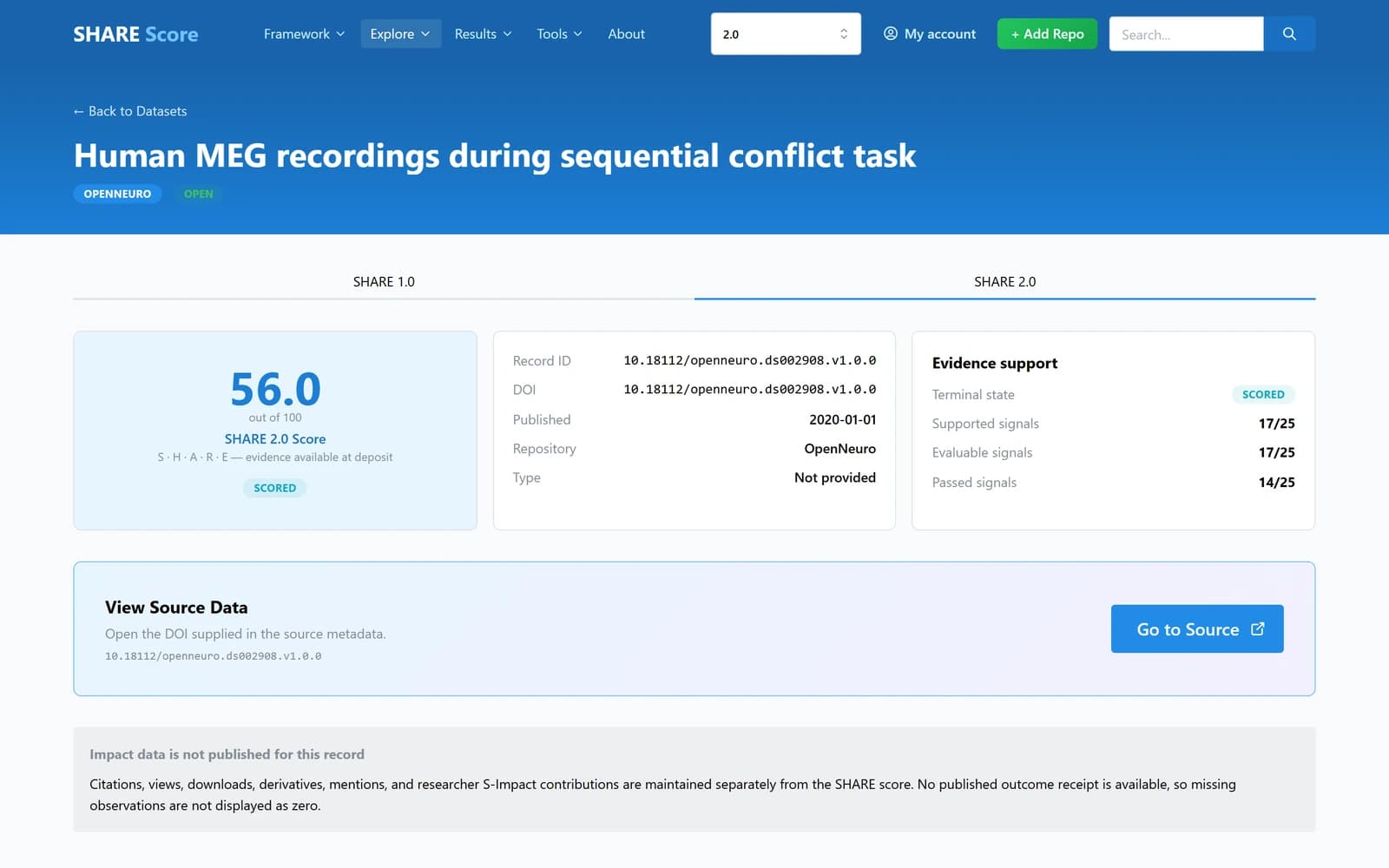
  • A ShareScore record page for a public OpenNeuro dataset of MEG recordings, showing a SHARE 2.0 score of 56 out of 100 and counts of the checks it passed
    ShareScoreA public dataset, scored against 25 checks.
Shuhan He at an NIH podium in front of a slide reading Every dataset deserves a second life
July 21, 2026Presenting ShareScore at the NIH S-Index Innovation Event.

“If you have better data, other people will use it and build on it. That is our goal: to make data reusable and let science compound.”

Shuhan He, MD, founder

11The company

A family company, since 2013.

ConductScience is bootstrapped. Engineering and manufacturing are based in Glenview and Skokie, Illinois, with a wider network of specialists and manufacturing partners.

See open roles

Bring us your method.

Tell us which paper you are working from. We will match the apparatus, set up the procedure and help you share the full method when you publish.