x
[quotes_form]
SKU CS-RD-2018 Category

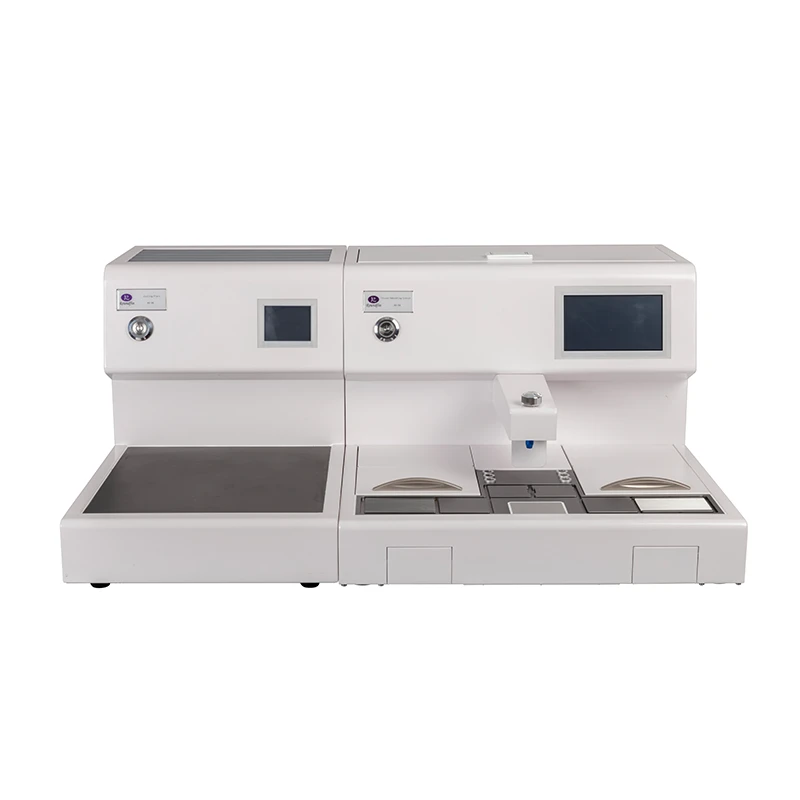
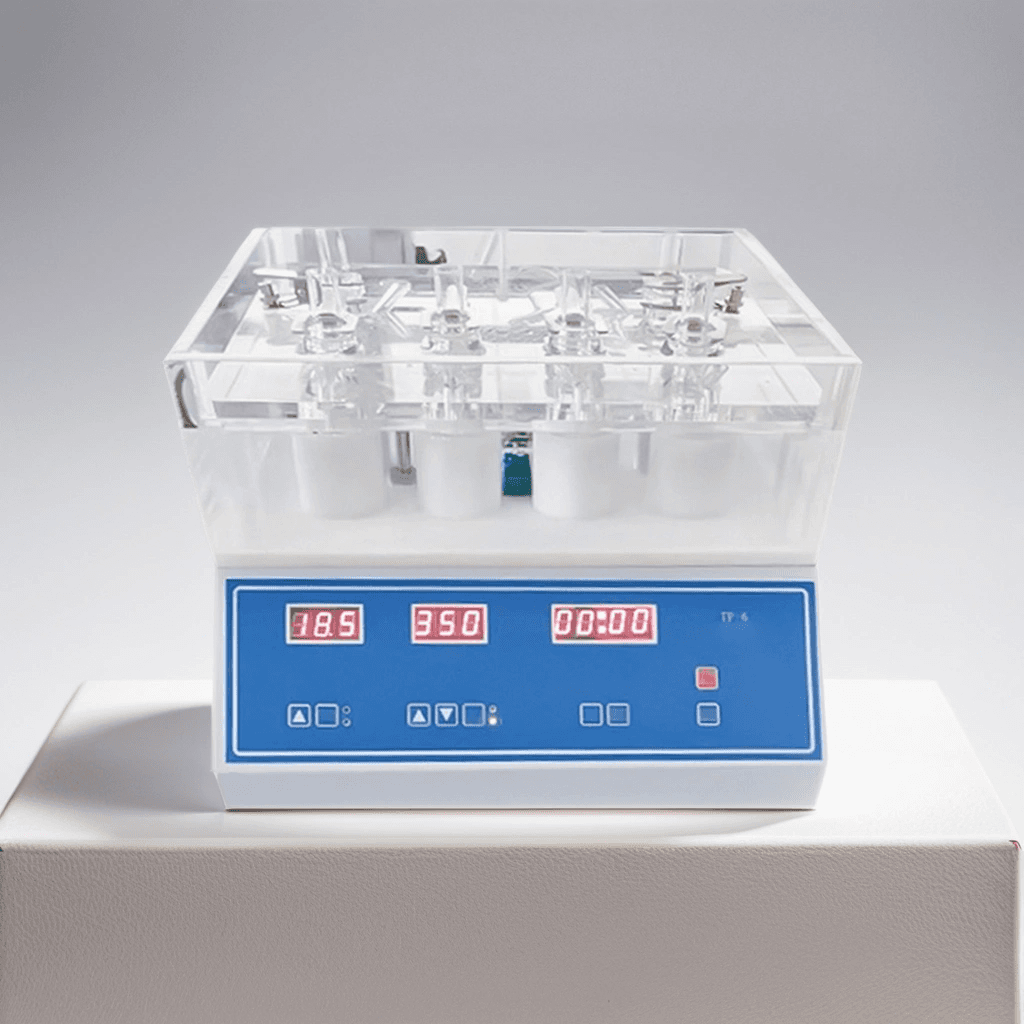
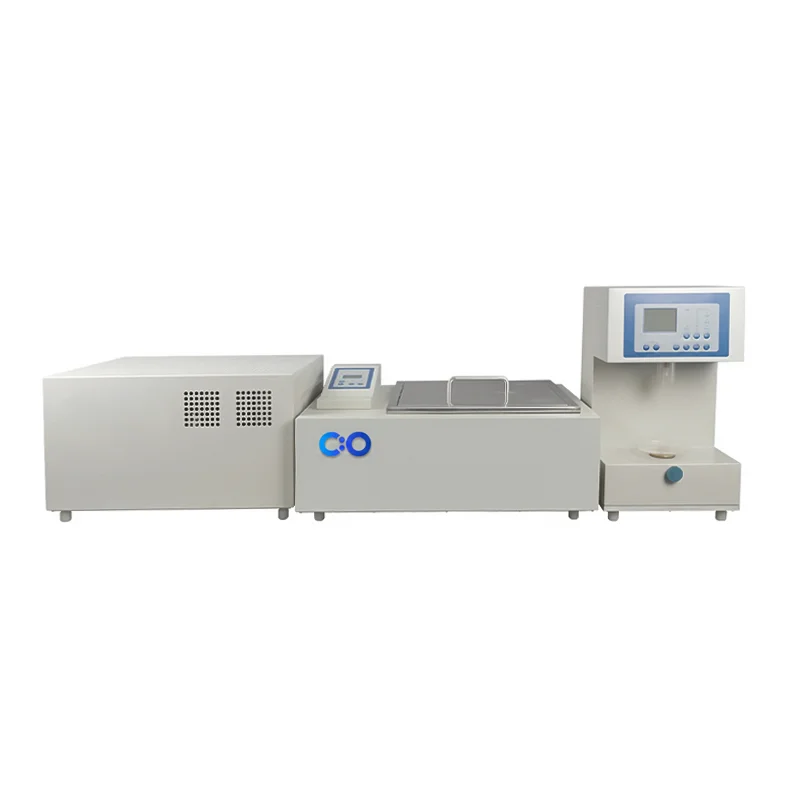
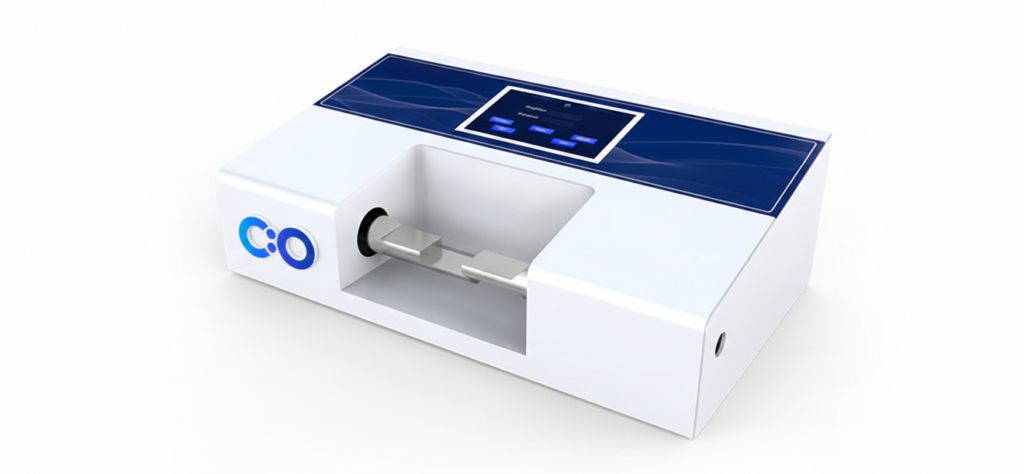
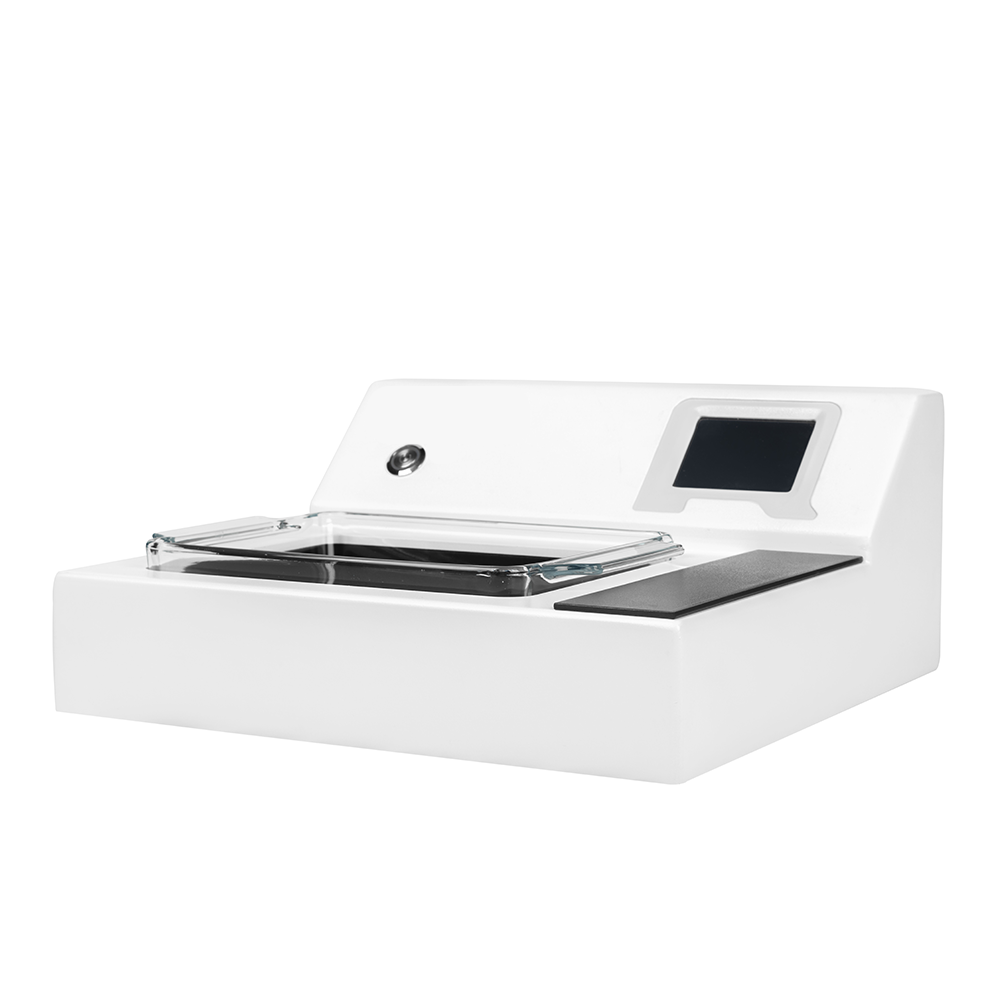
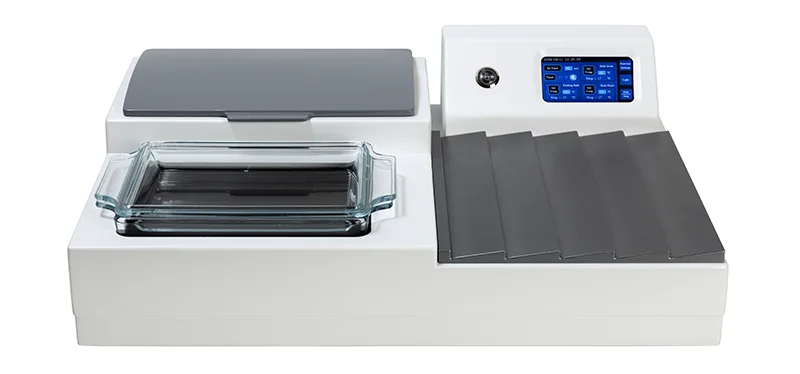
Combination Tissue Flotation Bath and Slide Dryer

See more by: Harlow Scientific

10% off with your subscription Membership
Sku: CS-RD-2018 Category
Ā / Availability: In Stock / Delivery Info ā“˜

Description

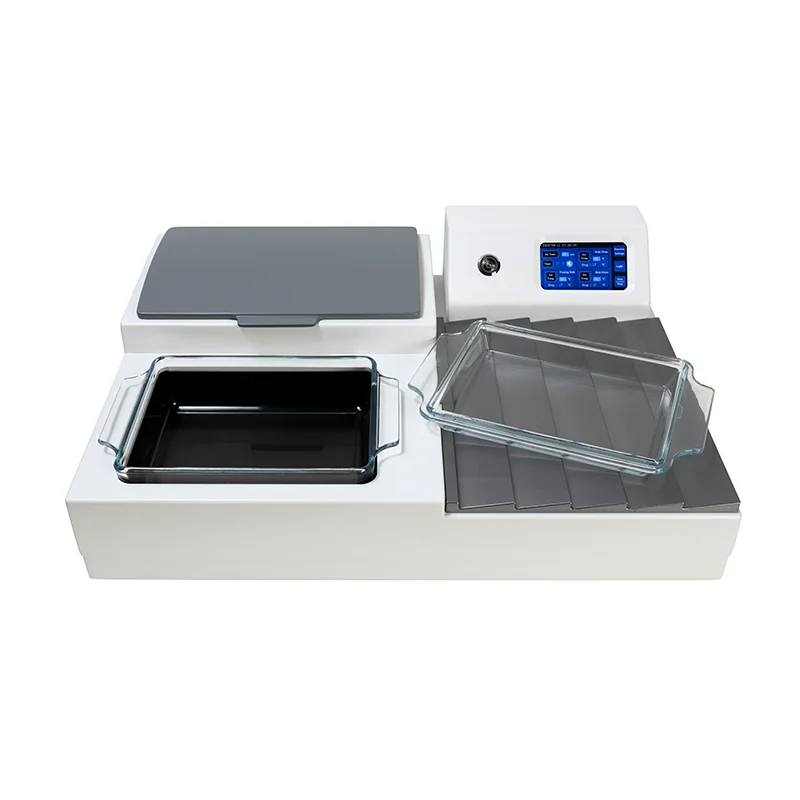
The Combination Tissue Flotation Bath and Slide Dryer is a high-efficiency histological workstation that integrates a flotation bath, dryer, and oven into a single, digitally controlled unit. It offers high throughput (up to 180 slides per oven cycle) and precise thermal control. It is an ideal solution for pathology laboratories looking to optimize space and guarantee maximum quality in the adhesion of paraffin tissue sections to slides.

Meet the producer

Compare similar items

More from this Shop

Frequently bought together

Tissue Embedding Station

Digital Tissue Embedding Workstations

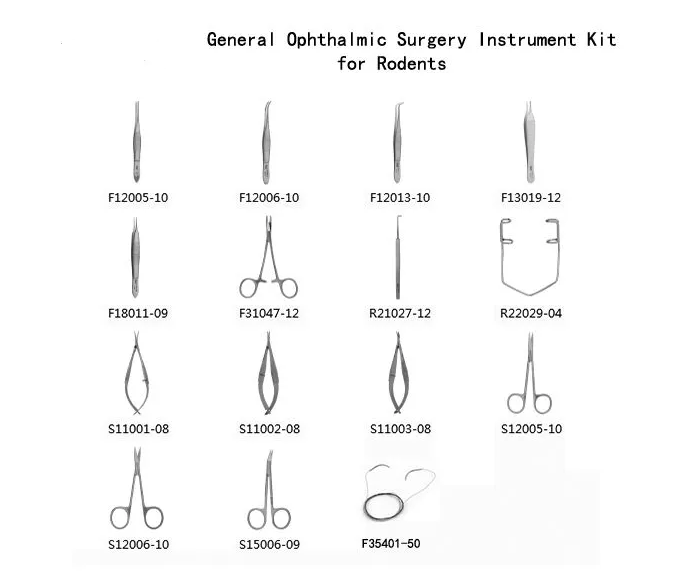
General Ophthalmic Surgery Instrument Kit for Rodents

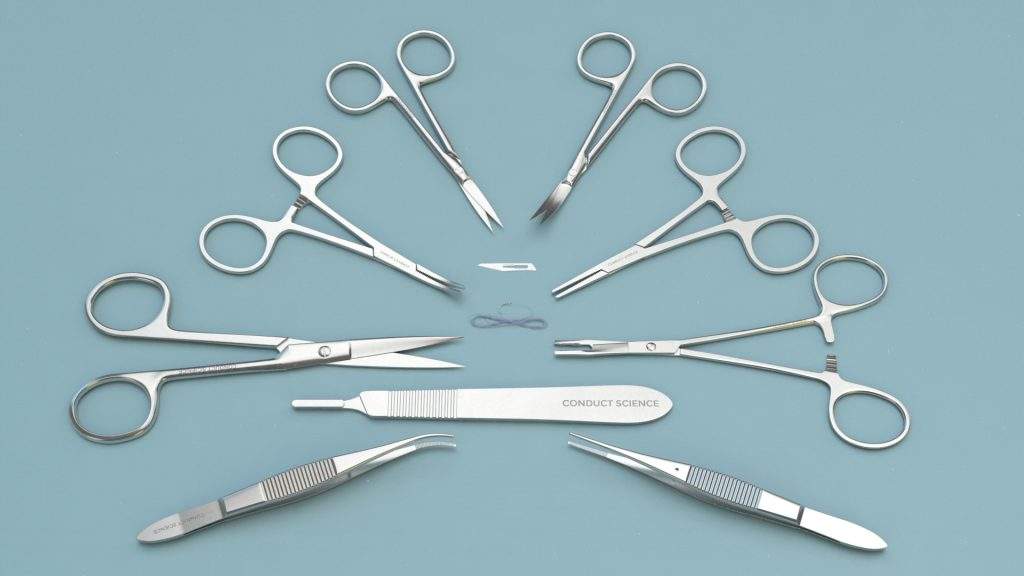
Microsurgery Kit

Share Dry Bath (Heating Cooling Shaking Type) Share Dry Bath (Heating Cooling Shaking Type)

Integrated Shaking Dry Bath: Heating & Cooling System

Dry bath_heating

Digital Dry Bath_Heating/Cooling Systems

Description

Specifications

Parameter

Detail

Model

RD-2018

Equipment Type

Combination of Flotation Bath; Slide Dryer; and Oven

Temperature Range (Bath; Dryer; Oven)

0ā„ƒ to 75ā„ƒ (0ā„ƒ to 99ā„ƒ option available)

Temperature Control

Computer precise temperature control (Microprocessor-controlled)

Screen

Medical-grade high-definition color touch screen

Flotation Bath Volume

2 Liters (2L)

Dryer Capacity (Plate)

60 tissue sections simultaneously (Wear-resistant; multi-layer bevel design)

Oven Capacity

180 slides simultaneously (Holds 6 standard staining racks of 30 slides each)

Heating Time

Reaches 75ā„ƒ in up to 10 minutes

Product Dimensions (W x D x H)

570 mm x 430 mm x 180 mm

Water Bath Dimensions

210 mm x 170 mm x 55 mm

Oven Dimensions

240 mm x 152 mm x 110 mm

Power Supply

AC220V±10%; 50Hz±1Hz

Power

600 VA

Additional Features

Separate heating for Oven/Dryer; Programmable timing switch function; Unique timing reminder function.

Introduction

This Integrated Flotation Bath & Dryer is a streamlined workstation designed to consolidate the critical paraffin section mounting process into a single, unified instrument. It seamlessly transitions tissue ribbons from a heated water bath for gentle expansion, to a warm drying surface for adhesion, and finally into a dedicated oven for accelerated curing. By integrating these three key steps, this system standardizes workflow, saves valuable bench space, and enhances preparation efficiency for high-quality histological slides.

Apparatus and Equipment

The CS-RD-2018 is used in conjunction with the following equipment and materials in the histopathology laboratory:

Complementary Equipment

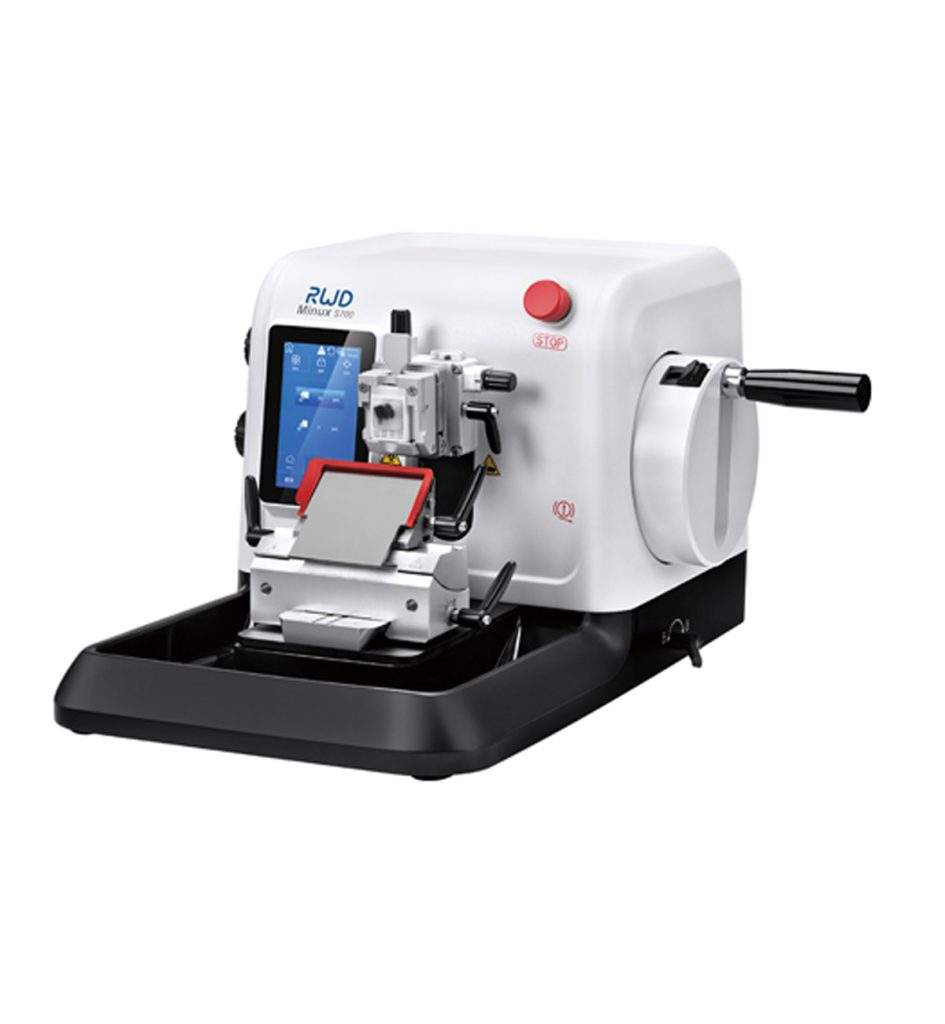
Microtome

For cutting the paraffin-embedded tissue sections.

Slides

Standard glass slides for mounting the sections.

Staining Racks

Used to transport and hold slides within the Oven section.

Key Components of the RD-2018

Flotation Bath

A 2L container for distilled water, where tissue sections are “stretched” to remove wrinkles.

Beveled Drying Plate

An inclined, wear-resistant surface designed to drain excess water and rapidly dry up to 60 sections.

Oven

A controlled heating chamber for completely drying the slides and ensuring firm tissue adhesion before staining.

Touch Control Panel

Digital interface for setting and monitoring the temperatures of the three modules and programming timing functions.

Glass Cover

To increase the heating efficiency of the flotation bath.

Training Protocol

Objective: To properly flatten, adhere, and dry paraffin sections onto glass slides using the integrated system.

Procedure:

1- Preparation:

    • Ensure the unit is powered on and has reached setpoint temperatures.
    • Flotation Bath: Set to 40-45°C (or as determined by your lab’s SOP for your specific paraffin).
    • Dryer & Oven: Set to 60-65°C.

Ā 

2- Section Flotation:

      • Using forceps, carefully place the paraffin ribbon(s) onto the surface of the heated water bath.
      • Allow the sections to float for 30-60 seconds, or until all wrinkles have fully expanded.

Ā 

3- Slide Mounting & Draining:

    • Gently submerge a pre-labeled slide at an angle into the bath beneath the floating sections.
    • Slowly and steadily lift the slide, allowing the sections to settle onto the slide surface.
    • Carefully place the slide onto the inclined, heated drying surface. The beveled design will allow excess water to drain away.

Ā 

4- Drying & Curing:

    • Allow slides to remain on the dryer until the sections appear fully set and the surrounding water has evaporated (typically 3-5 minutes).
    • For final curing and to remove residual moisture, transfer the slides into the pre-heated oven.
    • Bake slides for 10-15 minutes before proceeding to staining protocols.

Ā 

SUMMARY:

The water flotation bath and dryer is an integrated system designed for efficient spreading, drying, and curing of paraffin-embedded tissue sections used in histology and pathology labs. It combines a heated water bath for wrinkle-free ribbon flotation, a drying surface for secure slide adhesion, and an oven for final curing in one compact unit.

All three modules operate within a temperature range of 0°C to 75°C or 0°C to 99°C. The flotation bath has a 2.0-liter capacity for smooth section spreading, the dryer accommodates up to 60 slides on a beveled surface for effective drainage, and the oven holds six slide racks for up to 180 slides.

The system enhances workflow efficiency, saves bench space, and supports high-throughput slide preparation. It ensures consistent results by standardizing the flotation, drying, and curing processes within a single unit.

It is suitable for moderate to high-volume histology laboratories requiring precise and reliable performance. Users should follow proper temperature settings and safety procedures to ensure high-quality slide preparation and operator safety.

Data Analysis

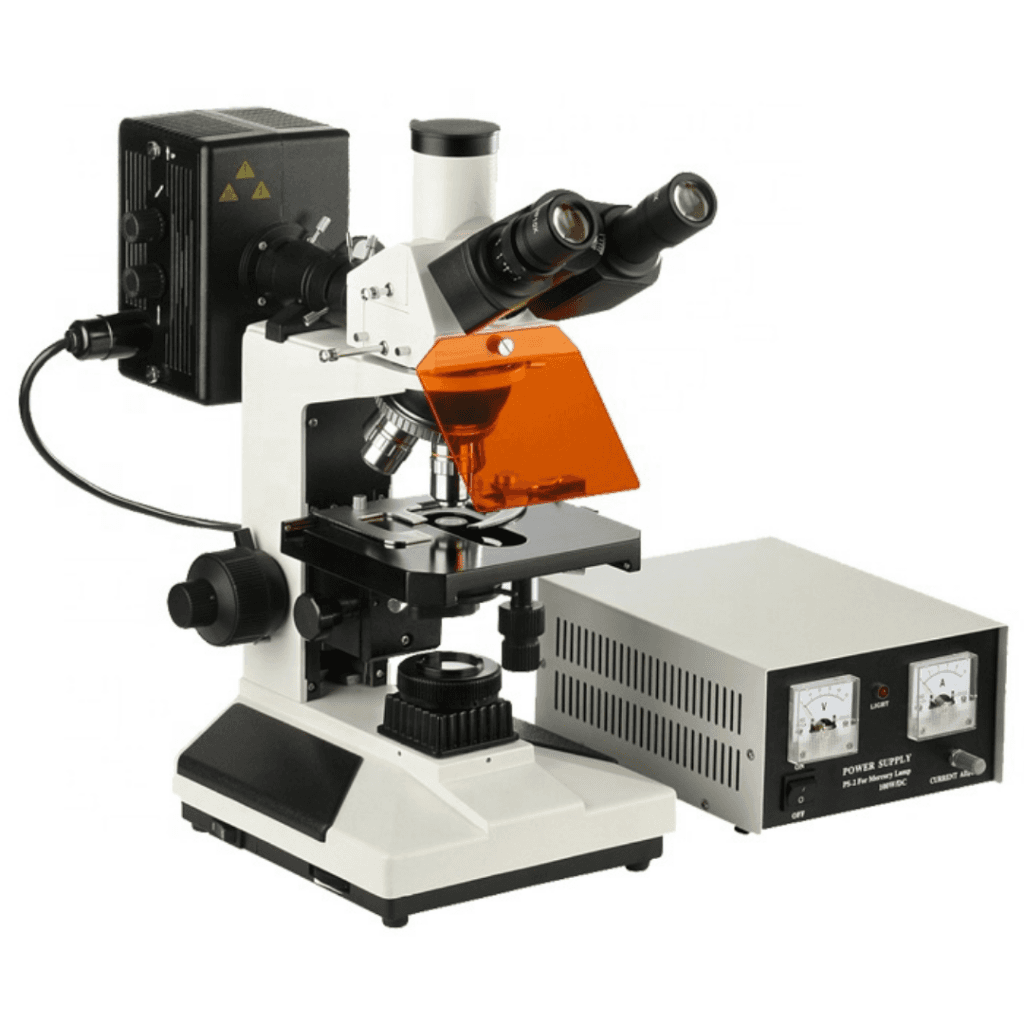
The CS-RD-2018 is a processing and preparation instrument; therefore, it does not generate direct analytical data. The primary “data” that is evaluated is the quality of the final product (the slide), which is subsequently analyzed under a microscope.

  • Quality Parameters to Evaluate (Output Data):

    1. Section Integrity: Absence of wrinkles, folds, or tears in the tissue.

    2. Tissue Adhesion: The firmness with which the tissue is adhered to the slide, preventing lift-off during subsequent staining procedures (H&E, IHC).

    3. Consistency: Uniformity in the stretching and drying of the sections, achieved through the equipment’s precise temperature control.

The quality of the slide preparation is a critical factor that directly impacts the validity and interpretation of histological data (microscopic images and measurements).

Literature Review

The combination flotation bath and dryer is a de facto standard in modern histopathology laboratories. Reference literature in histotechnology, such as the National Society for Histotechnology (NSH) manual or Bancroft’s texts, emphasizes the necessity of precise temperature control.

  • Scientific Context: Temperature control is vital for:

    • Flattening: Keeping the bath water just below the paraffin melting point allows for stretching without causing distortion or cellular damage.

    • Adhesion: Oven drying is a necessary “curing” step to form a strong bond between the tissue and the slide. The oven temperature must be high enough to melt the paraffin, but not so high as to damage the tissue’s protein structures (antigens), especially in preparations intended for Immunohistochemistry (IHC). The RD-2018, with its temperature ranges up to 99°C, provides the flexibility to meet the most rigorous adhesion standards.

Strengths and Limitations

3-in-1 Combination Design

Saves valuable laboratory bench space and streamlines the workflow, consolidating flotation, initial drying, and final curing into a single unit.

High Capacity

Simultaneous processing capacity of 60 sections on the dryer and 180 slides in the oven, ideal for high-volume laboratories.

Precision Digital Control

The high-definition touch screen and microprocessor control ensure fast, stable, and accurate temperature settings, which is critical for tissue integrity.
Programmable Functions

The on/off timer and alarms allow for pre-scheduling and automation of the daily routine.

Voltage Sensitivity

The requirement for a specific power supply (AC220V±10%) may necessitate a converter or a stable power source in certain locations.

Maintenance Dependence

The water in the Flotation Bath requires regular changing and cleaning to prevent microbial growth or paraffin accumulation. Heating components require periodic calibration to maintain accuracy.
Potential for Cross-Heating

Being a combined unit, heat from the oven may slightly influence the bath temperature if not managed correctly.
References

Questions & Answers

There are no questions yet. Be the first to ask a question about this product.
Want to ask a question or need information? Fill in the form and contact us directly