Rodent Auditory Brainstem Response Test
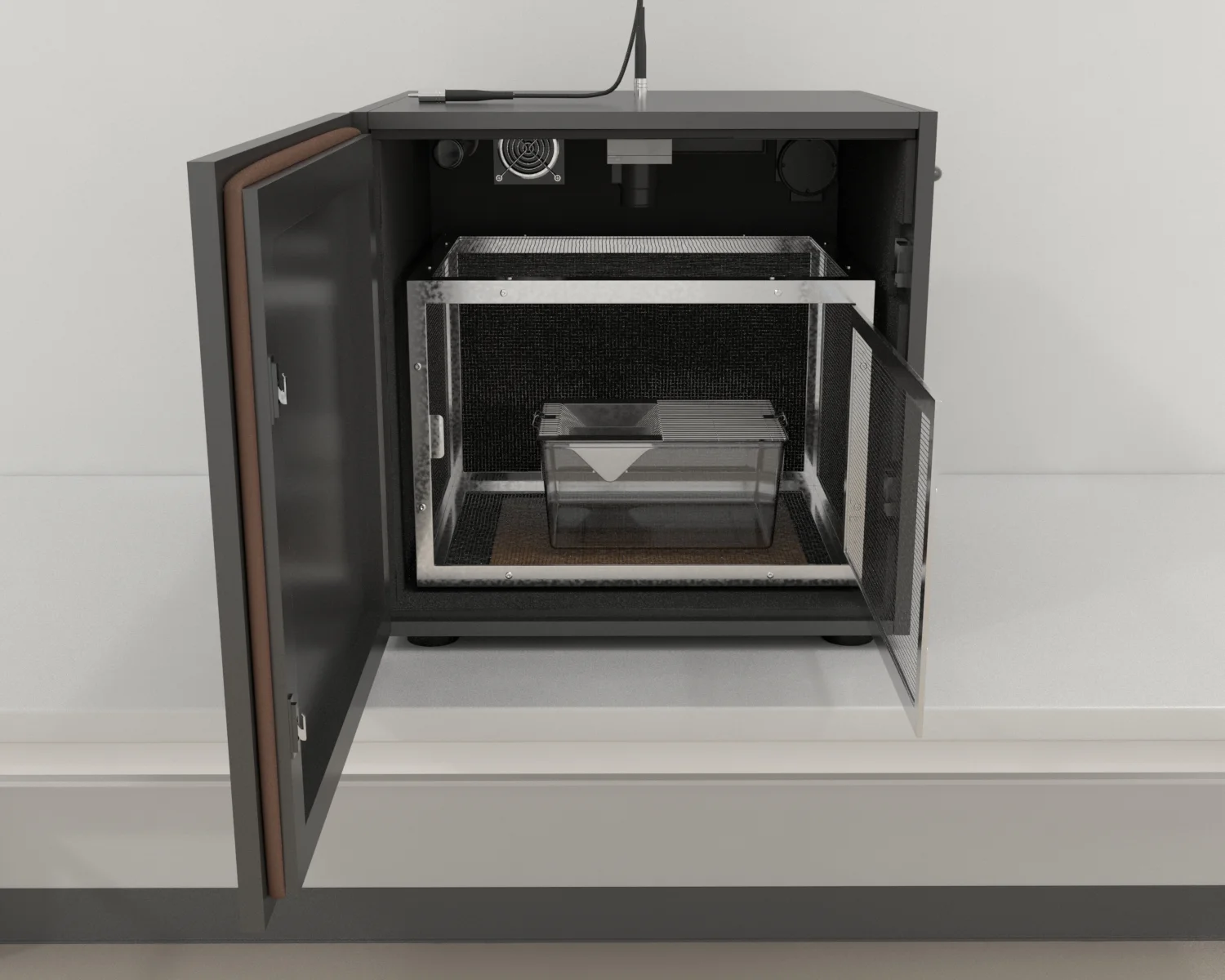
Comprehensive auditory testing system featuring sound-proof isolation cubicle, dual speakers, OAE probe microphone, and real-time monitoring for auditory brainstem response and DPOAE testing in rodents.
Integrates with Tucker-Davis Technologies equipment for neural response recording.

Louise Corscadden, PhD
Director of Science · ConductScience
Ask Louise about Rodent Auditory Brainstem Response Test fit, setup, configuration, or quote prep.
Already working with us? Sign in to connect this with My Scientist.
Key Specifications
Full details →- Model fit
- 4 selectable configurations
- SKU family
- CS-958364
- Shipping box
- 65.0 x 36.0 x 27.0 cm
- Ordering
- Online checkout and quote request available
- Category
- Neuroscience & Surgery
- Build notes
- Confirm accessories, station layout, and support needs before purchase
Overview
The Auditory Brainstem Response (ABR) System provides a comprehensive platform for auditory neuroscience research, combining precision acoustic stimulation with neural response recording capabilities. This integrated system features a sound-proof isolation cubicle, dual high-quality speakers, OAE probe microphone system, and real-time sound monitoring, designed specifically for rodent auditory research applications.
Key Features
The system's 50x40x50 cm isolation cubicle utilizes sound-proof insulation material to eliminate environmental acoustic interference. Dual speakers (33x10x18.5 cm each) deliver programmable tone stimuli from 100-20,000 Hz at volumes up to 130 dB, alongside white noise and narrow-band white noise capabilities (octave, 1/2 octave, 1/3 octave, 1/6 octave). The integrated OAE probe microphone system provides detection across 0 dB SPL to 32 kHz with 15 kHz calibration, while a Class 1 sound level meter monitors real-time acoustic levels up to 20 kHz.
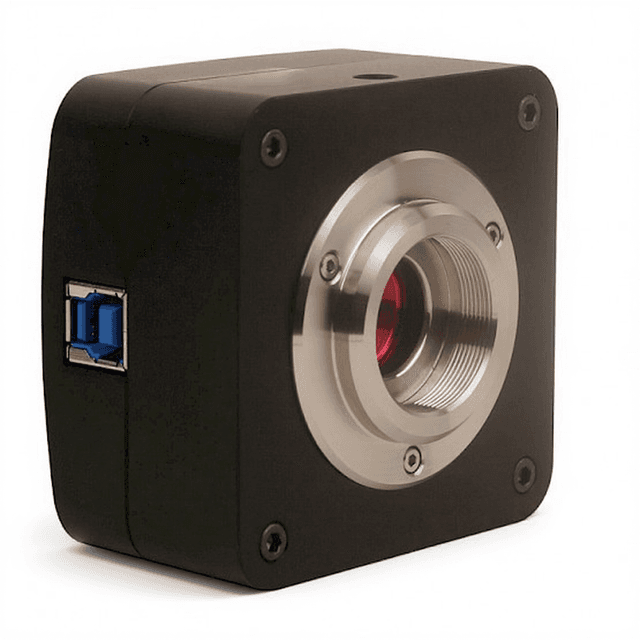
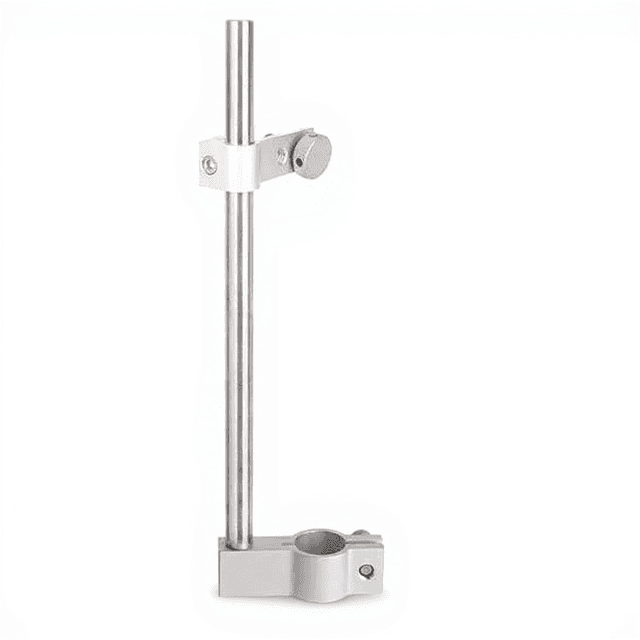
TTL signal integration (5V, 100ms duration) enables seamless connectivity with Tucker-Davis Technologies RZ6 equipment for neural response recording. The cubicle features programmable LED and IR lighting, air circulation, camera holder, and an open top slit for external device access. The system supports simultaneous operation of up to 4 units for high-throughput studies.
Applications
This system excels in auditory brainstem response testing, enabling researchers to assess neural pathway integrity and hearing thresholds. DPOAE testing capabilities allow investigation of outer hair cell function, while comprehensive hearing assessment protocols support both basic auditory neuroscience research and translational studies examining hearing loss, ototoxicity, and auditory processing disorders.
Species Compatibility
Specifically designed for rodent research, the system accommodates standard laboratory housing configurations while providing the acoustic precision required for reliable auditory measurements in mice and rats.
Features & Benefits
Add-ons and modifications
| Add-on | Price | Details |
|---|---|---|
| Maze Engineers Sound System | $7,990 | Includes: Maze Engineers control box Speaker Real-time sound lever reader Electronic controller and sound generator |
| Brain response recorder | $16,450 | Incudes: TDT Rz6 Multi-I/O high-frequency auditory processor |
| Conduct ABR software | $890 | Conduct ABR Maze software |
Add any of these to your quote request.
Shipping weight
- 6.06 lb
Shipping box
- L: 65.0 cm
- W: 36.0 cm
- H: 27.0 cm
| Model | SKU | Listed price | Status | Shipping box |
|---|---|---|---|---|
| Complete Mouse ABR Test Package | CS-958364 | $24,850.00 | Available | 65.0 x 36.0 x 27.0 cm |
| Maze Engineers Sound System | CS-958364 | $7,990.00 | Available | 65.0 x 36.0 x 27.0 cm |
| Conduct ABR Software | CS-958364 | $890.00 | Available | 65.0 x 36.0 x 27.0 cm |
| Brain Response Recorder | CS-958364 | $16,450.00 | Available | 65.0 x 36.0 x 27.0 cm |
What’s in the Box
- isolation cubicle
- dual speakers
- OAE probe microphone system
- real-time sound level meter (Class 1)
- electronic controller and sound generator
- animal enclosure
- Conduct Maze software
- TTL signal interface for TDT RZ6 integration
What frequency range can the system test, and how does this relate to rodent hearing?
The system generates tones from 100-20,000 Hz, which covers the full functional hearing range of laboratory rodents. Mice typically hear from 1-100 kHz with peak sensitivity around 15-20 kHz, while rats hear from 0.5-60 kHz, so this system covers the critical low-to-mid frequency ranges essential for basic auditory assessment.
How does the TTL integration work with Tucker-Davis Technologies equipment?
The system provides 5V TTL signals with 100ms duration that synchronize with TDT RZ6 systems. This allows precise timing between acoustic stimulus delivery and neural response recording, essential for accurate ABR measurements where timing precision affects wave identification and latency measurements.
What's the difference between ABR and DPOAE testing capabilities?
ABR testing measures neural responses from the auditory brainstem using the TTL-synchronized recording setup, while DPOAE testing uses the OAE probe microphone to detect acoustic emissions from the cochlea itself. The probe microphone (0 dB SPL to 32 kHz range) captures the faint sounds generated by outer hair cells in response to two-tone stimuli.
How many animals can be tested simultaneously?
The system supports up to 4 units operating simultaneously, allowing parallel testing of multiple subjects. Each unit operates independently with its own isolation cubicle, speakers, and microphone system, significantly increasing experimental throughput for large studies.
What sound levels can be achieved, and is this safe for rodent testing?
The system generates tones up to 130 dB, which covers the range needed for threshold testing through potentially damaging levels. The Class 1 sound level meter provides real-time monitoring to ensure accurate calibration. Researchers should follow institutional guidelines for maximum exposure levels and duration to prevent unintended hearing damage.
How does the isolation cubicle minimize acoustic interference?
The 50x40x50 cm cubicle uses specialized sound-proof insulation material to create an acoustically controlled environment. This eliminates background noise interference that could mask low-level responses or affect threshold measurements, while the air circulation system maintains animal comfort without acoustic contamination.
Can the system generate complex acoustic stimuli beyond pure tones?
Yes, the system generates white noise and narrow-band white noise in octave, 1/2 octave, 1/3 octave, and 1/6 octave bands. The programmable stimulus control allows manipulation of frequency, volume, duration, and phase, enabling complex protocols including masking studies and frequency-specific threshold testing.
What software is included and what are the system requirements?
The system includes Conduct Maze software for stimulus control and basic data collection. For comprehensive ABR analysis, it integrates with Tucker-Davis Technologies RZ6 systems and their associated software packages, providing complete stimulus-response recording and analysis capabilities.
Have a question about this product?
Have a question? Just ask.
Send it over and we'll email you a personalized answer — no call, no scheduling.
Prefer to talk it through?
Research protocol
Rodent Auditory Brainstem Response Test science guide
Protocol background, apparatus notes, data analysis, literature review, precautions, and references for labs planning this assay.
| Conduct ABR software |
| Conduct ABR Maze software |
| Maze Engineers Sound System |
| Maze Engineers control box |
| Speaker |
| Real-time sound lever reader |
| Electronic controller and sound generator |
| Brain response recorder |
| TDT Rz6 Multi-I/O high-frequency auditory processor |
| Mouse Auditory Brainstem Response Test |
| Isolation Cubicle |
| Animal enclosure |
| Maze Engineers control box |
| TDT RZ6 Multi-I/O high-frequency auditory processor |
| Speaker |
| Real-time sound lever reader |
| Electronic controller and sound generator |
Features
Isolation Cubicle
- 50(w) x 40(d) x 50(h) cm
- Includes an LED light and IR light, camera holder, and external device slot.
- Includes animal enclosure
Maze Engineers control box
- Connects the TDT RZ6 processor to send a TTL signal of voltage (5v duration 100ms) before every stimulus
Sound generator and Stimuli
- Tone frequency – 100-20,000Hz frequency
- Volume in decibels up to 130dB
- Duration in milliseconds
- White noise and narrow white noise stimulus: Octave, 1⁄2 Octave, 1/3 octave and 1/6 octave
TDT RZ6 Multi-I/O high-frequency auditory processor
- Recieves signals from the Maze Engineers control box before each stimulus (5v, 100ms)
Speakers
- Dual high-quality speakers, one speaker for tone and the other speaker for white noise
- Dimensions: 33(w)*10(d)*18.5(h) cm
Real-time sound lever reader
- Sound level reading in decibels is measured in the inner chamber and is displayed on the PC monitor in real-time.
- Sound level meter is able to measure a wider sound frequency range of up to 20K Hz with high accuracy.
Software
- Conduct ABR Maze software
- Protocol setup: user can specify a sequence of sound stimuli with fields (frequency, dB level, phase, duration)
- Display the sound dB level at run-time
- Sound stimuli include tone, white noise and narrow white noise
- Experiment protocols and results are saved on the PC
- Support up to 4 units simultaneously
- Integration with video tracking software such as ConductVision, EthoVision, ANY-Maze
Introduction
Auditory Brainstem Response (ABR) testing was pioneered in humans by Jewett and Williston during the late 1960s (Jewett & Williston, 1971). This neurophysiological test is instrumental in researching and diagnosing neural disorders and assessing hearing sensitivity (Galambos & Hecox, 1978; Sohmer, Freeman, Friedman, & Lidan, 1991). In animal studies, auditory stimuli are frequently used in behavioral assays such as the Fear Conditioning Assay and Sociability Chamber. Variations in hearing sensitivity among the subjects can notably influence their behavior and the results observed. Although vocalization isn't the main mode of communication in animals, it remains a crucial aspect of human interaction and quality of life. ABR recordings involve placing electrodes near the subject's scalp to capture evoked potentials. When sound stimuli are presented, the auditory brainstem pathways—including cochlear ganglion neurons and their associated fiber tracts and nuclei—generate electrical responses that provide insights into the health of these neural structures. The ABR waveform typically comprises five distinct components, labeled I to V, reflecting the activation of the auditory nerve and the processing of sound through the brainstem pathways.Apparatus and Equipment
The Rodent Audible Brainstem Response (ABR) Test setup features a soundproof isolation chamber with an animal enclosure, equipped with LED and infrared lighting. An external device can be connected through a customizable device slot, and a camera mount is positioned at the top of the chamber for observation. The Maze Engineers control box interfaces with the TDT RZ6 processor to deliver TTL signals that synchronize with each stimulus presentation. Sound stimuli are produced by a generator with adjustable parameters, and are played through two speakers capable of emitting tones or white noise. A sound meter is used to monitor and ensure accurate sound levels. The rodent's auditory neural pathway generates electrical responses to these stimuli, which the TDT RZ6 then records in high fidelity, capturing neural activity, stimulus waveforms, and related behavioral events. The Conduct ABR Maze software enables the creation of customized sound stimuli protocols, allowing adjustments to parameters such as frequency, dB level, phase, and duration.Protocol
Follow appropriate laboratory protocols, surgical hygiene, and animal welfare practices before commencing. Clean and sterilize all surgical equipment and other apparatus. The following protocol considers a mouse as the subject. The protocol can be applied to other small rodents as well.Animal Anesthetization
- Anesthetize the subject using a mixture of ketamine hydrochloride (100 mg/kg) and xylazine hydrochloride (10 mg/kg) intraperitoneally injected using a 1 ml insulin syringe and precision glide needle.
Note: Ketamine and xylazine solution provides stable ABR thresholds in comparison to other methods of anesthetization.
- Place the subject singly in a warm (~37°C) and clean cage. Check on for the depth of anesthesia after approximately two to five minutes using methods such as tail pinch, foot pinch, and monitoring respiration rate.
Animal Preparation
- Remove the subject from the cage and place it in a sound-proof chamber with a non-electric heating pad to maintain body temperature during testing. Use a rectal probe to monitor temperature throughout.
- Apply protective ophthalmic ointment on the subject’s eyes to avoid corneal desiccation and disturbances from blink reflexes during testing.
- Position the subject 10 cm away from the speakers, ensuring the center of the speaker is aligned with the external auditory canal of the subject.
Electrode Positioning
- Insert subdermal electrodes 2-3 mm under the skin at the forehead (active electrode), below the pinna of the left ear (reference electrode), and below the contralateral right ear (ground electrode).
Recommended: Binocular surgical magnification microscope with a cold light source
- Verify proper electrode positioning/conductivity of each electrode by ensuring the impedance is less than 5 kΩ.
- Close the sound-proof chamber to begin ABR testing.
- Perform ABR testing in a free field condition. However, measuring each ear separately can be done with the help of an ear tubing (close field).
Recording Click and Tone Bursts ABR
- Calibrate the hardware and software for ABR testing and program the stimulus protocols for the clicks and tone bursts.
- Record the ABR until waveforms are no longer clearly present. Determine the lowest recognizable ABR threshold value by watching the first 5 peaks within the first 10 milliseconds.
- Save the waveforms for analysis and future reference.
Post ABR Testing and Recovery
- On completion of recordings, remove the electrodes gently and remove the subject from the sound-proof chamber.
- Place the subject in a warm and clean cage to recover from anesthesia.
- Return the subject to its home cage only when they return to their feet when placed on their backs.
Data Analysis
These data recored from the rodent auditory brainstem response apparatus can be used to evaluate hearing function, diagnose hearing disorders, study the effects of ototoxic drugs or noise exposure on the auditory system, assess the efficacy of hearing protection devices or therapies, and investigate the neural mechanisms of hearing and auditory processing.- Hearing threshold: The minimum sound intensity required to elicit an ABR waveform. This is an objective measure of hearing sensitivity.
- Latency: The time interval between the onset of the acoustic stimulus and the occurrence of the corresponding ABR peak. This provides information about the speed of neural conduction along the auditory pathway.
- Amplitude: The magnitude of the ABR peak, which reflects the number of synchronized firing of auditory neurons. This can indicate the integrity of the auditory pathway.
- Waveform morphology: The shape of the ABR waveform, which can reveal information about the functional organization of the auditory system and the type of hearing loss.
- Interwave interval: The time interval between successive ABR peaks, which can provide insights into the timing and processing of auditory information.
- Signal-to-noise ratio: The difference between the amplitude of the ABR response and the background noise level, which reflects the quality of the ABR recording and the reliability of the measurement.
Literature Review
The subjects included postnatal 7 days old A/J mouse pups that were randomly divided into untreated groups, the DMSO (dimethyl sulfoxide) group, and α-lipoic acid + DMSO group (a-lipoic acid-treated group). The α -lipoic acid group received a dose of 50 mg/g of body intraperitoneal injections of α-lipoic acid dissolved in DMSO (50 mg/ml) on alternate days, while the control group received an equal amount of vehicle only. ABR testing for all groups was performed at ages 3-, 4-, 6-, and 8-weeks using stimuli of click and pure-tone bursts (8 kHz, 16 kHz, and 32 kHz) by reducing the SPL at 10 dB steps, then at 5 dB steps up and down to the lowest level wherein the ABR pattern could be recognized. The α-lipoic acid group displayed significantly reduced ABR thresholds for both stimuli and all tested frequencies in comparison to the untreated group at ages 4-, 6-, and 8-weeks. Additionally, the α-lipoic acid-treated group also had significantly lower ABR thresholds at 32 kHz frequency at 3-weeks old. In comparison to the control group, overall, the α-lipoic acid-treated group had lower ABR thresholds. (Huang et al., 2020) The possibility of hearing loss as an early biomarker of Alzheimer’s disease was evaluated using APP/PS1 AD mice with wild-type littermates as controls. In addition to ABR testing, mice also underwent distortion product otoacoustic emission (DPOAE) and cochlear microphonics (CM) recordings. ABR recordings were performed monthly starting at postnatal day 60 to evaluate progressive changes and early occurrence of hearing loss. The testing was performed with clicks and a series of tone bursts with frequencies between 4 to 40 kHz, sound pressure intervals (SPI) in steps of 5 dB from 10 to 80 dB using a high-frequency speaker. For mice with severe hearing loss, sound pressure intervals range of 70 to 100 dB were used. A significant increase (10−20 dB SPL) in the ABR thresholds was observed in APP/PS1 AD mice in comparison to the wild-types. At 40 kHz, the ABR thresholds increased by approximately 20 dB SPL in APP/PS1 AD mice. Hearing loss was also observed to be progressive and age-based. Comparison between the two groups revealed APP/PS1 mice to display hearing loss as early as two months old at high frequency. These mice also had reduced DPOAE, though no reduction in CM could be observed. (Liu et al., 2020) Prior to being submitted to ABR testing, Male and female 5xFAD mice and their wild-type counterparts were evaluated for their acoustic startle and pre-pulse inhibition (see Acoustic Startle Chamber). An age-related decline in acoustic startle responses was observed for 5xFAD mice. Following the acoustic startle testing, mice were subjected to ABR testing in age-grouped cohorts of mixed sexes; a 3-4 months group and a 13-14 months group. Testing was performed using tone bursts stimuli of 2, 4, 8, 16, and 32 kHz, 10 ms duration, and 1 ms rise/fall time using a loudspeaker. Tones were presented with an SPL of 5 dB, in descending sequence from 90 dB for each frequency. Thresholds were determined based on the repeatable III wave in ABR at the lowest sound level. Each ABR testing session lasted about 45 minutes. While no genotype differences could be observed for 3-4 months old mice, a significant effect of stimulus frequency could be seen. The 5xFAD mice displayed higher thresholds than the WT at 13 to 14 months of age, with an average ABR threshold of 82.2+/-4.8 dB in comparison to the 55.4+/-6.5 dB for WT mice. Additionally, it was observed that at frequencies of 8, 16, and 32 kHz, the auditory thresholds of the 5xFAD mice were significantly higher than the WT group. While an increase in auditory threshold with age for WT was only observed at 2 and 4 kHz, the mouse model displayed an increase for all frequencies. Together with the results of cochlear morphology, it was confirmed that the aged 5xFAD mice presented significant peripheral hearing loss. (O’Leary et al., 2017) The study was conducted using C57BL/6J Sap B KO (B-/-) mice backcrossed to an FVB (Friend leukemia virus, strain B) strain to the 10th generation. The B-/- mice, Heterozygote (Het), and wild-type (WT) littermates (P1mo–P15mo) were subjected to Auditory Brainstem Response testing to determine the effect of Sap B deficiency on hearing in this progressive neuronal degeneration model. Mice were tested using clicks (5 ms duration, 31 Hz) and tone pips at 8, 16, and 32 kHz (10 ms duration, cos2 shaping, 21 Hz) at ages P1mo, P3mo, P4mo, P6mo, P8mo, P13mo, and P15mo. Electroencephalographic (EEG) activity was recorded for each stimulus for 20 ms (at a sampling rate of 25 kHz) and filtered (0.3–3 kHz). 512 stimuli and 1000 stimuli were averaged from the waveforms for click stimuli and frequency-specific tone pips, respectively. The Auditory Brainstem Responses were recorded down from the maximum amplitude in SPL of 5 dB. No significant differences in ABR thresholds were observed between the three cohorts at age P4mo; however, an increase in ABR thresholds for tone-burst stimuli only was observed in B-/- mice in comparison to the other two groups at P8mo. Further, no significant difference in thresholds could be observed for WT versus B-/- mice in click stimuli until P13mo, though significant threshold shifts for pure-tone stimuli were observed starting at P6mo. While no significant difference in ABR wave I amplitude for click stimulus could be seen at Pmo4, however, by P8mo, B-/- mice had a significant decrease in ABR amplitude in comparison to WT counterparts. Comparison of ABR interpeak latency between P1 and P2 at varying time points revealed that B-/- mice displayed significant P2-P1 delays for tone stimuli at P8mo. (Akil et al., 2015)Recommendations, Considerations, and Precautions
- Prior to anesthetization of the subjects, calibrate, program, and check all devices and equipment for proper functioning.
- Use a Faraday cage inside the sound-proof chamber to prevent interference from external electronic devices.
- Use a non-electric heating pad during ABR testing to avoid any interferences during recordings.
- To prevent the possibility of the subject waking up during ABR recording sessions (approximately 40-minute sessions), inject one-fifth of the original dose of the anesthetic at about 20 minutes during testing.
- Provide appropriate post-experimental recovery and pain management to the subjects following ABR recordings.
References
- Akil, O., Oursler, A. E., Fan, K., & Lustig, L. R. (2016). Mouse Auditory Brainstem Response Testing. Bio-protocol, 6(6), e1768. https://doi.org/10.21769/BioProtoc.1768
- Akil, O., Sun, Y., Vijayakumar, S., Zhang, W., Ku, T., Lee, C. K., … & Lustig, L. R. (2015). Spiral ganglion degeneration and hearing loss as a consequence of satellite cell death in saposin B-deficient mice. Journal of Neuroscience, 35(7), 3263-3275.
- Galambos, R., & Hecox, K. E. (1978). Clinical applications of the auditory brain stem response. Otolaryngologic Clinics of North America, 11(3), 709-722.
- Sohmer, H., Freeman, S., Friedman, I., & Lidan, D. (1991). Auditory brainstem response (ABR) latency shifts in animal models of various types of conductive and sensori-neural hearing losses. Acta oto-laryngologica, 111(2), 206–211. https://doi.org/10.3109/0001648910913737
- Jewett, D. L., & Williston, J. S. (1971). Auditory-evoked far fields averaged from the scalp of humans. Brain, 94(4), 681-696.
- Lundt, A., Soos, J., Henseler, C., Arshaad, M. I., Müller, R., Ehninger, D., … & Weiergräber, M. (2019). Data acquisition and analysis in brainstem evoked response audiometry in mice. JoVE (Journal of Visualized Experiments), (147), e59200.
- O’Leary, T. P., Shin, S., Fertan, E., Dingle, R. N., Almuklass, A., Gunn, R. K., … & Brown, R. E. (2017). Reduced acoustic startle response and peripheral hearing loss in the 5xFAD mouse model of Alzheimer’s disease. Genes, Brain and Behavior, 16(5), 554-563.
- Liu, Y., Fang, S., Liu, L. M., Zhu, Y., Li, C. R., Chen, K., & Zhao, H. B. (2020). Hearing loss is an early biomarker in APP/PS1 Alzheimer’s disease mice. Neuroscience letters, 717, 134705.
- Huang, S., Xu, A., Sun, X., Shang, W., Zhou, B., Xie, Y., … & Han, F. (2020). Otoprotective Effects of α-lipoic Acid on A/J Mice with Age-related Hearing Loss. Otology & Neurotology, 41(6), e648-e654.