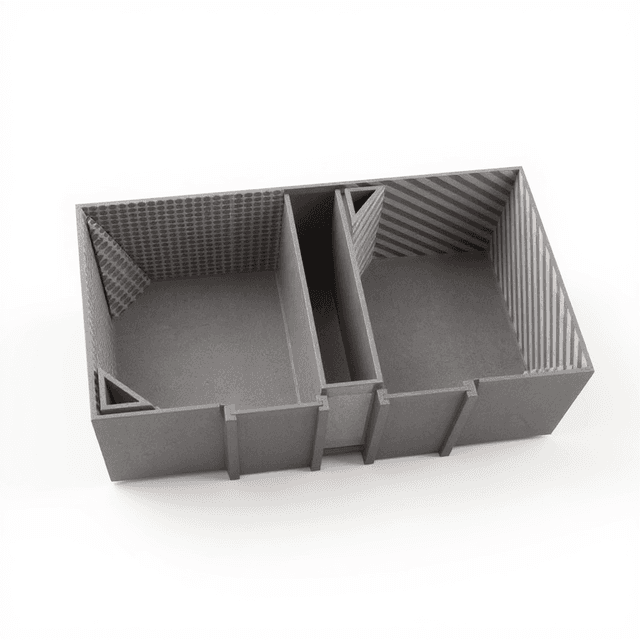
Bat Extended Maze
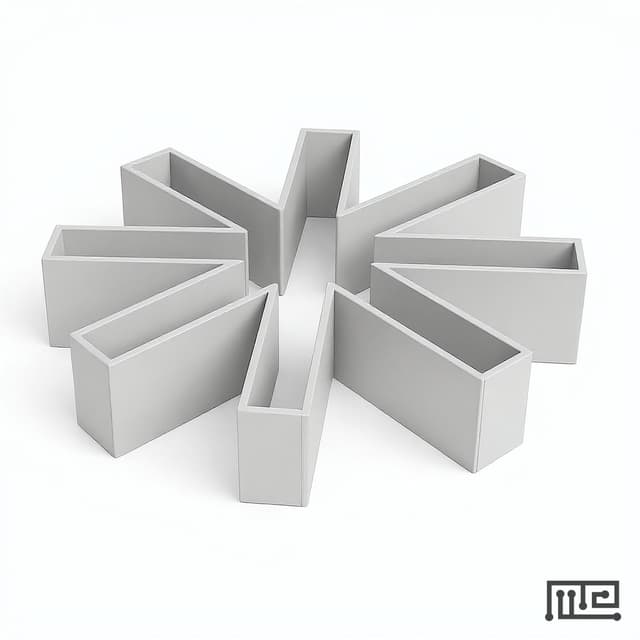
Modular maze system for spatial learning and cognitive assessment in bats, featuring multiple interconnected chambers and corridors for behavioral flexibility testing.

Louise Corscadden, PhD
Director of Science · ConductScience
Ask Louise about Bat Extended Maze fit, setup, configuration, or quote prep.
Already working with us? Sign in to connect this with My Scientist.
Key Specifications
Full details →- Model fit
- Non-human Primate
- SKU family
- ME-8701
- Sizing
- Bat Extended Maze: Individual box length 20 cm · Individual box width 13.5 cm
- Ordering
- Online checkout and quote request available
- Category
- Behavioral Mazes
- Build notes
- Confirm accessories, station layout, and support needs before purchase
The Bat Extended Maze is a specialized behavioral testing apparatus designed for cognitive assessment in chiroptera species, particularly small bats such as those in the Myotis genus. This crawling maze system features a modular design with individual compartments connected by corridors, enabling researchers to evaluate spatial learning, behavioral flexibility, and foraging behavior in laboratory settings.
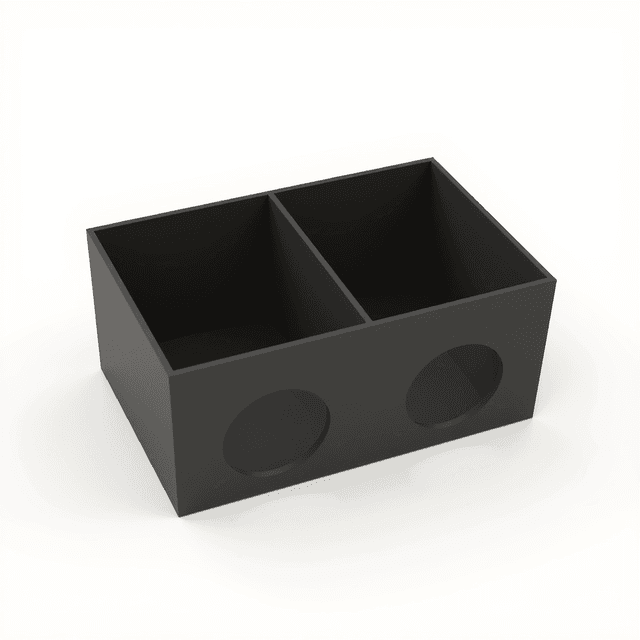
The apparatus consists of multiple testing chambers (20cm x 13.5cm x 10cm each) connected to a larger central compartment (25cm x 16.5cm x 12.5cm) via 25cm corridors. This configuration allows for complex behavioral paradigms including rule learning tasks, operant conditioning protocols, and comparative cognition studies across different bat species.
How It Works
The Bat Extended Maze operates on principles of spatial learning assessment through controlled navigation tasks. Bats are placed in the apparatus and must navigate between chambers using spatial cues and memory to locate rewards or reach target destinations. The modular design allows researchers to configure different maze topologies and complexity levels.
Testing protocols typically involve training phases where bats learn the maze layout and reward locations, followed by probe trials that assess memory retention and spatial mapping abilities. The corridor dimensions (7cm width) are specifically sized to accommodate bat locomotion while restricting movement patterns to facilitate behavioral scoring.
Data collection focuses on latency measures, path efficiency, error frequencies, and choice behaviors as bats navigate between the central chamber and peripheral compartments. These metrics provide quantitative assessment of cognitive performance and learning curves across experimental sessions.
Features & Benefits
Sizes by model
| Measurement | Bat Extended Maze |
|---|---|
| Individual box length | 20 cm |
| Individual box width | 13.5 cm |
| Individual box height | 10 cm |
| Corridor length | 25 cm |
| Corridor width | 7 cm |
- Center Box: 25 cm x 16.5 cm x 12.5 cm
Behavioral Construct
- spatial learning
- behavioral flexibility
- cognitive assessment
- foraging behavior
- rule learning
Automation Level
- manual
Research Domain
- Behavioral Pharmacology
- Learning and Memory
- Neuroscience
Species
- Non-human Primate
Compatible Tracking Software
- ConductVision
Shipping weight
- 21.0 lb
Shipping box
- L: 43.2 cm
- W: 38.0 cm
- H: 27.9 cm
| Feature | This Product | Typical Alternative | Advantage |
|---|---|---|---|
| Species-specific design | Optimized chamber and corridor dimensions for bat locomotion patterns | Most behavioral mazes designed for rodent species with different spatial requirements | Enables natural movement behaviors essential for valid cognitive assessment in chiroptera species |
| Central hub configuration | Enlarged central chamber (25cm x 16.5cm x 12.5cm) for multi-directional choice tasks | Linear or simple branching designs with limited choice points | Facilitates complex decision-making paradigms and spatial memory assessment protocols |
| Modular chamber system | Individual chambers (20cm x 13.5cm x 10cm) connected by standardized corridors | Fixed maze configurations with limited flexibility | Allows protocol customization and complexity adjustment for different experimental requirements |
| Corridor dimensions | 7cm width corridors designed for controlled bat movement | Variable corridor widths often too wide or narrow for optimal bat navigation | Provides appropriate spatial constraints for accurate behavioral quantification without impeding natural locomotion |
The Bat Extended Maze offers specialized design features for chiroptera behavioral research, including species-appropriate dimensions, modular configuration options, and a central hub system for complex cognitive assessment protocols. The apparatus addresses the unique requirements of bat behavioral testing not met by standard rodent maze systems.
Practical Tips
Allow bats adequate habituation time in individual chambers before beginning navigation training to reduce stress-related behavioral artifacts.
Why: Unfamiliar environments can trigger defensive behaviors that interfere with cognitive assessment protocols.
Inspect corridor connections regularly for wear or loosening that could create gaps or instability during behavioral sessions.
Why: Structural integrity is essential for consistent spatial relationships and reliable behavioral data collection.
Establish baseline movement patterns for each individual bat before implementing learning protocols to account for natural behavioral variation.
Why: Individual differences in locomotion speed and exploration patterns can confound learning curve interpretation.
If bats show reluctance to enter corridors, verify that lighting conditions provide adequate visual cues without creating shadows that might be perceived as obstacles.
Why: Inappropriate lighting can interfere with bat spatial perception and navigation confidence.
Ensure all maze edges are smooth and free of sharp corners that could cause injury during rapid navigation movements.
Why: Bat wing membranes are particularly vulnerable to damage from rough surfaces or sharp edges.
Standardize reward placement locations and timing across experimental sessions to maintain consistent spatial reference points.
Why: Variable reward parameters can confound spatial learning assessment by introducing non-spatial cues.
Conduct behavioral sessions during the bats' active phase to optimize motivation and cognitive performance.
Why: Circadian rhythms significantly influence learning capacity and behavioral responses in chiroptera species.
Setup Guide
What’s in the Box
- Individual chamber modules (typical)
- Central hub chamber (typical)
- Connecting corridor pieces (typical)
- Assembly hardware (typical)
- User manual with setup instructions (typical)
Warranty
ConductScience provides a 1-year manufacturer warranty covering defects in materials and workmanship, with technical support for setup and operation guidance.
Compliance
References
Background reading relevant to this product:
What bat species can be tested in this maze system?
The maze is designed for small bat species, particularly those in the Myotis genus. Corridor width of 7cm accommodates typical body sizes of laboratory-maintained chiroptera species.
How many different maze configurations are possible?
The modular design allows multiple chamber arrangements around the central hub. Specific configurations depend on the number of individual chambers included and experimental protocol requirements.
What behavioral parameters can be measured?
Primary measures include navigation latency, path efficiency, error frequency, choice accuracy, and learning curves across training sessions. Video tracking enables detailed movement analysis.
Is the maze compatible with automated tracking systems?
The standardized dimensions and open-top design facilitate integration with overhead video tracking systems for automated behavioral analysis.
What cleaning protocols are recommended between subjects?
Complete disinfection with appropriate laboratory-grade cleaning agents is required between subjects to eliminate olfactory cues that could influence navigation behavior.
Can reward systems be integrated into the maze?
Yes, the chamber design accommodates various reward delivery systems including food placement areas and automated dispensers for operant conditioning protocols.
What environmental controls are needed for testing?
Controlled lighting, minimal acoustic interference, and stable temperature conditions are essential for reliable behavioral assessment in bat subjects.
Have a question about this product?
Have a question? Just ask.
Send it over and we'll email you a personalized answer — no call, no scheduling.
Prefer to talk it through?