ConductVision Zebrafish Package
$1,990 per yearA 5-year license is $3,990 in total.
The ConductVision license for zebrafish tests.

Standardized apparatus for assessing motor coordination and balance in laboratory rodents through elevated parallel bar traversal testing.

Director of Science · ConductScience
Ask Louise about Parallel Bars fit, setup, configuration, or quote prep.
Already working with us? Sign in to connect this with My Scientist.
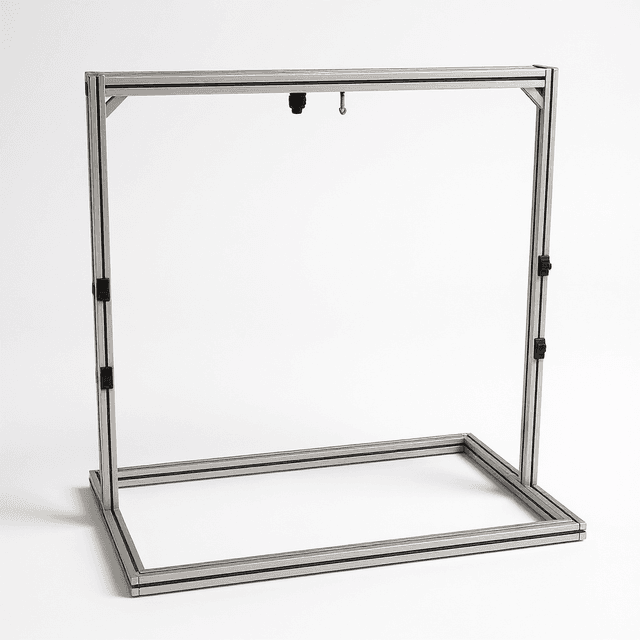
The Parallel Bars apparatus provides a standardized platform for assessing motor coordination, balance, and locomotor function in laboratory rodents. The system features two parallel bars positioned 60 cm above ground level, with each bar measuring 1 meter in length and 4 mm in width. This configuration allows for quantitative evaluation of an animal's ability to maintain balance while traversing a narrow pathway, providing insights into motor deficits, neurological impairments, and treatment efficacy.
The apparatus is suitable for use with multiple rodent species and enables researchers to conduct standardized motor function assessments that are sensitive to subtle changes in coordination and balance. The elevated design eliminates potential confounding factors from ground-level exploration behaviors, focusing the assessment specifically on motor control capabilities. Assembly is required upon delivery, and the system includes storage components for laboratory organization.
The parallel bars test relies on the natural tendency of rodents to maintain balance while traversing narrow elevated surfaces. Animals are placed on one end of the parallel bars and must coordinate limb movements to successfully cross the 1-meter span without falling. The 4 mm bar width provides sufficient challenge to detect motor coordination deficits while allowing successful traversal by healthy animals.
The 60 cm elevation height creates sufficient motivation for animals to remain on the bars rather than jump down, while the 1-meter length provides adequate distance to observe gait patterns and coordination throughout the traversal. Researchers typically measure parameters such as traversal time, number of foot slips, falls, and qualitative gait characteristics. The standardized dimensions ensure reproducible testing conditions across studies and laboratories.
| Measurement | Mouse & Rat |
|---|---|
| Bar length | 1 m |
| Bar width | 4 mm |
| Height | 60 cm |
| Feature | This Product | Typical Alternative | Advantage |
|---|---|---|---|
| Bar Length | 1 meter length | Shorter platforms often provide limited observation distance | Extended length allows complete gait pattern observation and detection of progressive motor decline during traversal. |
| Bar Width | 4 mm width | Variable widths ranging from 2-8 mm in different models | Optimized width provides appropriate challenge level sensitive to motor deficits while maintaining achievable task difficulty. |
| Species Compatibility | Multi-species design for mice and rats | Some models designed for single species testing | Versatile design accommodates different research protocols and animal models within the same laboratory setup. |
| Storage System | Storage components included | Basic models often lack organization features | Integrated storage facilitates laboratory space management and protects apparatus components when not in use. |
This parallel bars apparatus provides standardized motor coordination assessment with optimized dimensions for sensitive detection of balance deficits across multiple rodent species. The system combines practical laboratory features with reliable performance for quantitative motor function evaluation.
Verify bar levelness using a precision level before each testing session to ensure consistent challenge across trials.
Why: Even slight variations in bar positioning can influence traversal difficulty and affect measurement reproducibility.
Clean bars with 70% ethanol between animals and inspect for wear or damage that could affect grip.
Why: Contamination or surface irregularities can influence animal performance and introduce variability into motor assessments.
Allow animals to acclimate to the testing room for 30 minutes before trials to minimize stress-related performance effects.
Why: Environmental stress can significantly impact motor performance and mask subtle coordination deficits.
If animals repeatedly refuse to traverse, verify bar spacing is appropriate for species and reduce room lighting if excessive.
Why: Inappropriate spacing or high stress from bright lighting can prevent normal testing behavior and compromise data quality.
Record multiple parameters simultaneously including traversal time, foot slips, and qualitative gait observations for comprehensive assessment.
Why: Single parameters may miss important aspects of motor dysfunction, and multiple measures increase test sensitivity.
Position soft padding material below the apparatus to prevent injury from falls during testing.
Why: Animal welfare requires fall protection, and injury from falls would confound subsequent motor function assessments.
Establish baseline performance for each animal cohort before experimental interventions to control for individual variation.
Why: Individual differences in motor ability can obscure treatment effects if not properly controlled through baseline measurements.
ConductScience provides a one-year manufacturer warranty covering defects in materials and workmanship, along with technical support for setup and operational questions.
Background reading relevant to this product:
What parameters can be measured during parallel bars testing?
Researchers typically assess traversal time, number of foot slips, falls, latency to start, and qualitative gait characteristics such as limb coordination and balance stability.
How do I determine appropriate bar spacing for different species?
Bar spacing should accommodate the animal's normal stride length while providing adequate challenge. Consult product datasheet for species-specific spacing recommendations.
What is the typical protocol duration for parallel bars testing?
Standard protocols involve 2-3 trials per session with 5-10 minute inter-trial intervals, though specific timing depends on research objectives and animal conditioning requirements.
How sensitive is this test to detecting motor coordination deficits?
The parallel bars test can detect subtle motor coordination changes and is particularly sensitive to cerebellar dysfunction, basal ganglia disorders, and neurotoxic effects.
What maintenance is required for the apparatus?
Regular cleaning with appropriate disinfectants between animals, periodic inspection of bar integrity and frame stability, and proper storage when not in use.
Can the apparatus be modified for different experimental requirements?
The system allows for adjustable bar spacing and positioning, though modifications should maintain standardized testing conditions for reproducible results.
How does this compare to other motor coordination tests?
Parallel bars testing provides specific assessment of balance and coordination without the learning component present in rotarod testing, making it suitable for acute motor deficit evaluation.
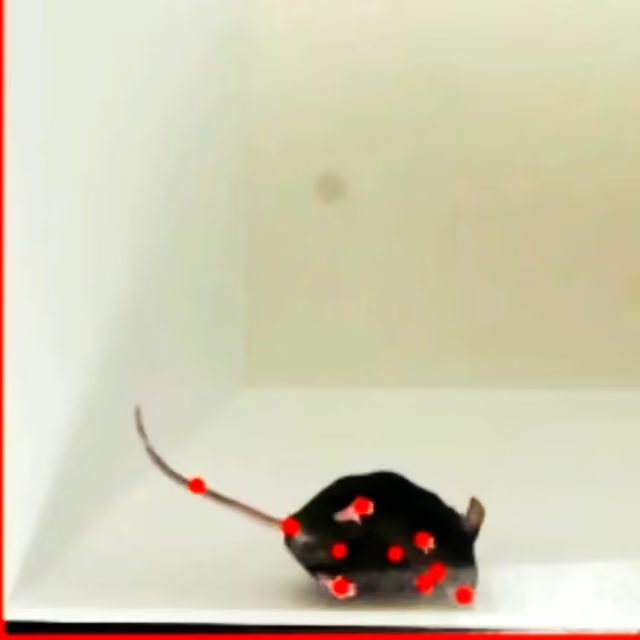
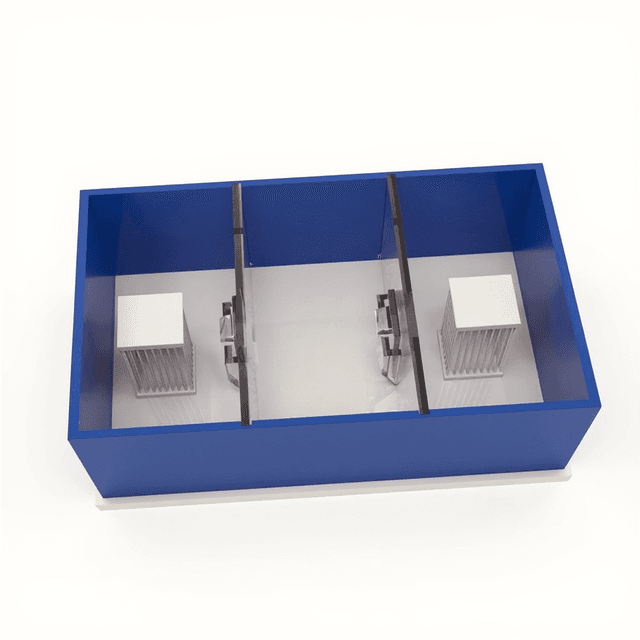
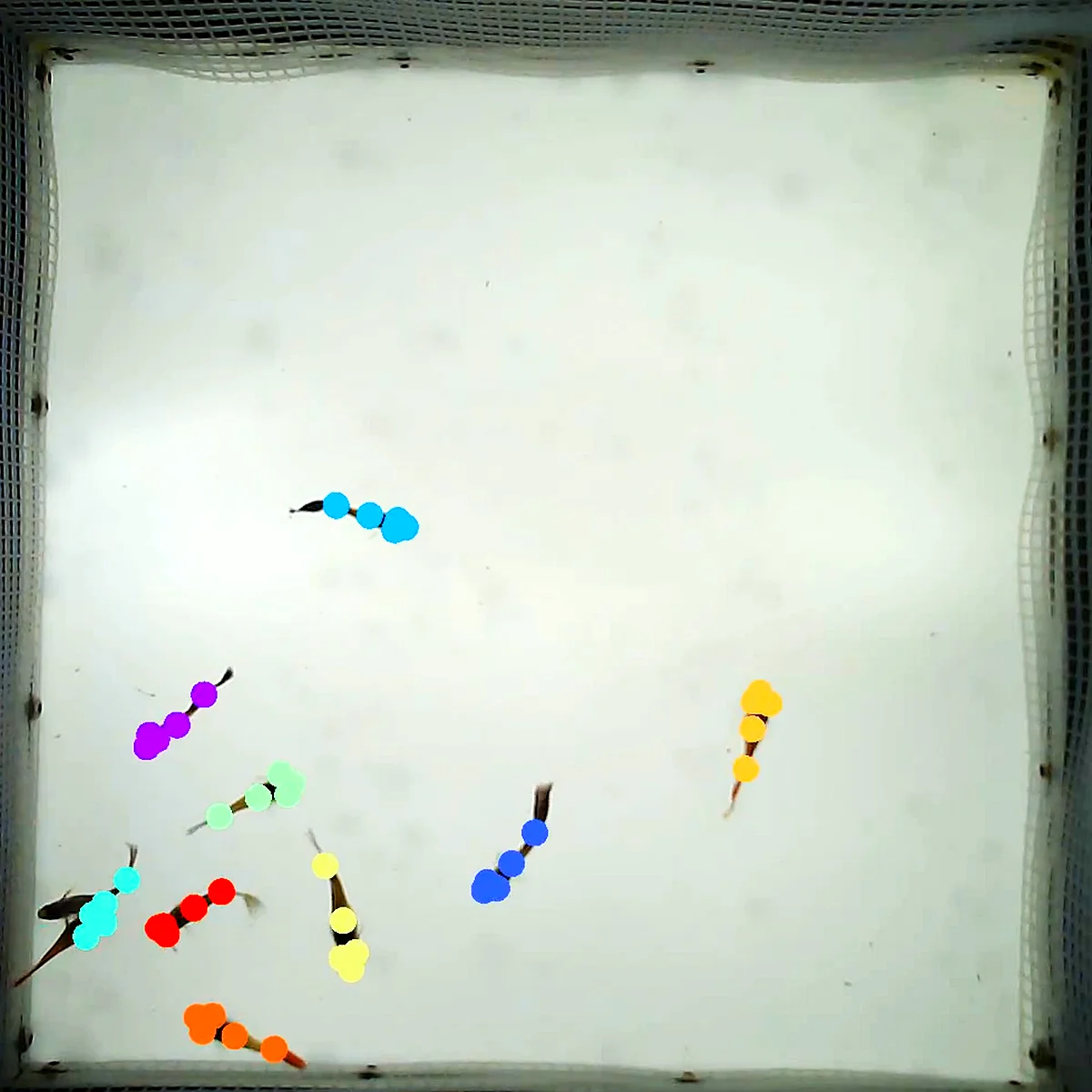
ConductVision is our video-tracking software. Record your sessions on video, and it scores standard zebrafish tests, such as those listed below.
The Zebrafish Package includes a custom assay made on request. To have one made for this test, ask in your quote request.
A 5-year license is $3,990 in total.
The ConductVision license for zebrafish tests.
Send it over and we'll email you a personalized answer — no call, no scheduling.
Prefer to talk it through?