Plant/Insect Tube
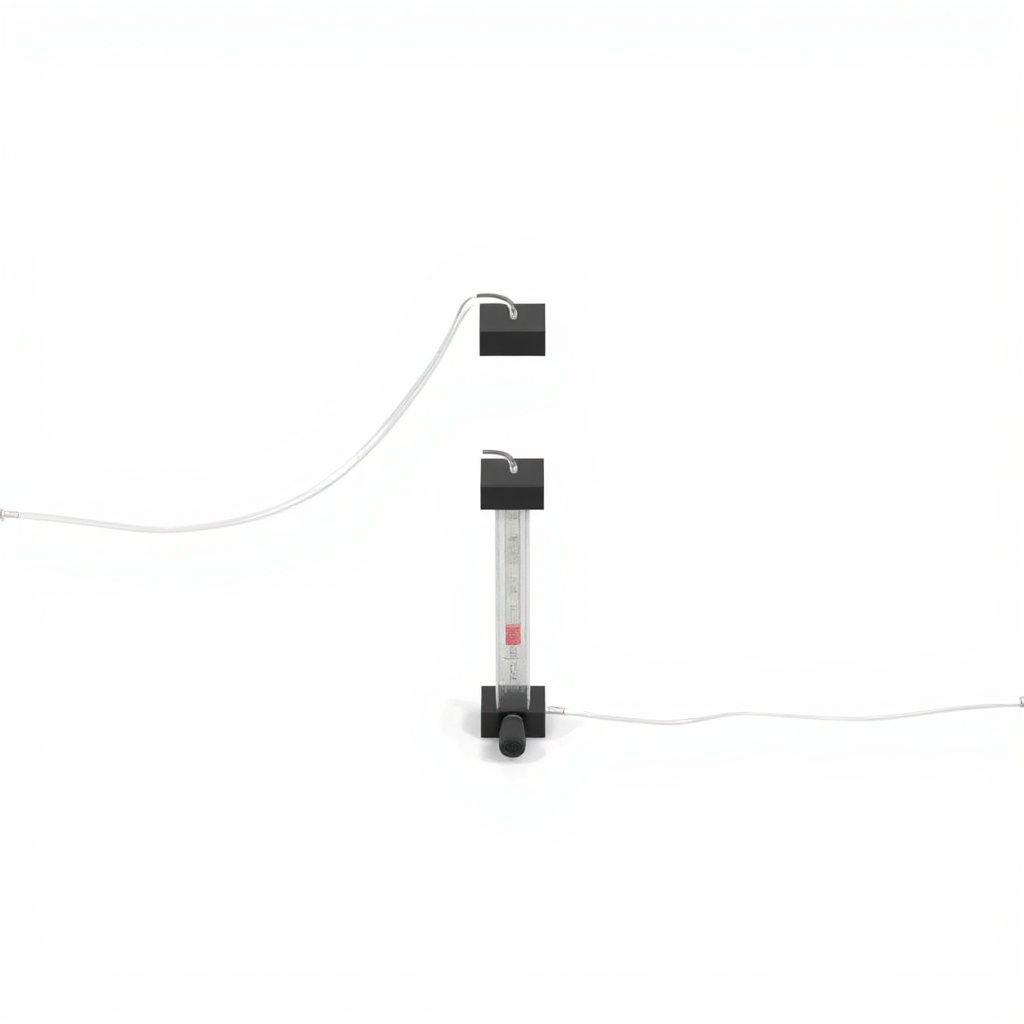
Y-tube olfactometer for insect chemoreception studies, featuring dual choice chambers and glass stimulus reservoirs for controlled olfactory bioassays.

Louise Corscadden, PhD
Director of Science · ConductScience
Ask Louise about Plant/Insect Tube fit, setup, configuration, or quote prep.
Already working with us? Sign in to connect this with My Scientist.
Key Specifications
Full details →- Model fit
- Drosophila
- SKU family
- ME-8404
- Shipping box
- 43.2 x 38.0 x 27.9 cm
- Ordering
- Online checkout and quote request available
- Category
- Behavioral Mazes
- Build notes
- Confirm accessories, station layout, and support needs before purchase
The Plant/Insect Tube is a specialized Y-tube olfactometer designed for investigating chemoreception and olfactory behavior in insects. This behavioral bioassay apparatus enables controlled choice experiments to assess insect responses to plant volatiles, pheromones, and other chemical stimuli in research applications.
The system comprises a 30cm main chamber (20cm diameter) connected to two 20cm test chambers (4.5cm diameter each) via 5cm glass tunnels (4.7cm diameter). Two hollow glass balls (10cm diameter) serve as stimulus reservoirs, allowing researchers to present distinct olfactory choices to test subjects and quantify behavioral preferences through direct observation of movement patterns.
How It Works
The Y-tube olfactometer operates on the principle of binary choice testing, where insects navigate through a branched glass apparatus while exposed to distinct olfactory stimuli. Test subjects are introduced into the main chamber and allowed to move freely toward either of two test chambers, each connected to a stimulus reservoir containing different chemical treatments.
Airflow carries volatile compounds from the glass ball reservoirs through the connecting tunnels into the test chambers, creating distinct olfactory environments. The 4.7cm diameter tunnels ensure adequate air exchange while maintaining spatial separation of stimuli. Researchers quantify behavioral responses by recording the time spent in each chamber, frequency of visits, and final choice destination.
The apparatus dimensions facilitate natural movement patterns while constraining the experimental space for accurate behavioral measurement. The 10cm diameter glass balls provide sufficient volume for volatile compound release while maintaining concentration stability throughout experimental trials.
Features & Benefits
Behavioral Construct
- olfactory preference
- choice behavior
- chemotaxis
- olfactory discrimination
Automation Level
- manual
Research Domain
- Behavioral Pharmacology
- Developmental Biology
- Environmental Monitoring
- Microbiology
- Neuroscience
Species
- Drosophila
Shipping weight
- 21.0 lb
Shipping box
- L: 43.2 cm
- W: 38.0 cm
- H: 27.9 cm
| Feature | This Product | Typical Alternative | Advantage |
|---|---|---|---|
| Main Chamber Diameter | 20cm diameter | Smaller models often provide 10-15cm diameter chambers | Larger chamber allows more natural movement patterns and reduces wall effect artifacts in behavioral assessment |
| Test Chamber Configuration | Dual 20cm chambers with 4.5cm diameter | Entry-level systems may offer shorter chambers or smaller diameters | Extended chamber length provides clear spatial separation for definitive choice behavior quantification |
| Stimulus Reservoir Design | 10cm diameter hollow glass balls | Basic models may use smaller reservoirs or different materials | Large glass reservoirs ensure consistent volatile compound release and eliminate chemical absorption issues |
| Connecting Tunnel Dimensions | 5cm length with 4.7cm diameter | Standard designs vary in tunnel dimensions | Optimized tunnel geometry maintains airflow while allowing unimpeded insect passage between chambers |
This apparatus provides generous chamber dimensions and glass construction for reliable olfactory bioassays. The system offers extended test chambers and large stimulus reservoirs compared to entry-level alternatives, supporting comprehensive behavioral analysis in chemical ecology research.
Practical Tips
Verify airflow distribution using smoke or tracer particles before each experimental session to ensure even volatile compound distribution.
Why: Uneven airflow creates chemical gradients that can bias insect movement independent of stimulus preferences.
Clean glass components with acetone or ethanol followed by distilled water rinse and complete drying between experiments.
Why: Residual chemical compounds from previous trials can contaminate subsequent experiments and alter behavioral responses.
Allow insects to acclimate in the main chamber for 2-3 minutes before stimulus presentation to reduce handling stress effects.
Why: Acclimation period allows subjects to recover from transfer stress and exhibit natural exploratory behavior.
Record environmental conditions (temperature, humidity, pressure) for each trial to identify variables affecting behavioral consistency.
Why: Environmental fluctuations can significantly influence insect activity levels and olfactory sensitivity across experimental sessions.
If insects remain in the main chamber without exploring, reduce stimulus concentrations or check for airflow blockages.
Why: Overly strong chemical stimuli can cause avoidance behavior, while inadequate airflow prevents stimulus presentation.
Use appropriate personal protective equipment when handling volatile organic compounds and ensure adequate ventilation in the experimental area.
Why: Many plant volatiles and synthetic attractants pose inhalation or skin contact hazards requiring standard laboratory safety precautions.
Setup Guide
What’s in the Box
- Main chamber (30cm x 20cm diameter)
- Two test chambers (20cm x 4.5cm diameter each)
- Two connecting glass tunnels (5cm x 4.7cm diameter)
- Two hollow glass ball reservoirs (10cm diameter)
- Assembly hardware (typical)
- User manual (typical)
Warranty
ConductScience provides a one-year manufacturer warranty covering defects in materials and workmanship, with technical support for setup and operational guidance.
Compliance
References
Background reading relevant to this product:
What airflow rate is recommended for optimal volatile compound distribution?
Consult product datasheet for specific airflow recommendations. Generally, gentle airflow (0.1-0.5 L/min) prevents turbulence while ensuring adequate volatile compound transport through the test chambers.
How do I prevent cross-contamination between different chemical treatments?
Thoroughly clean all glass components with appropriate solvents between experiments. Allow complete drying and air purging before introducing new chemical stimuli to eliminate residual compounds.
What is the recommended trial duration for reliable behavioral assessment?
Trial duration depends on species and experimental objectives. Typically 5-15 minutes allows sufficient time for choice behavior while minimizing habituation effects. Pilot studies help establish optimal timing.
Can this apparatus accommodate different insect sizes?
The 4.7cm diameter tunnels accommodate most small to medium-sized insects. Very large insects may experience restricted movement, while very small insects may not generate sufficient air displacement for accurate tracking.
How do I quantify and analyze behavioral responses?
Common metrics include time spent in each chamber, frequency of chamber visits, and final choice location. Video tracking software can automate data collection, or manual observation with stopwatch provides basic quantification.
What environmental controls are necessary for consistent results?
Maintain stable temperature (±2°C), humidity, and lighting conditions. Minimize vibrations and external odors that could influence insect behavior. Conduct experiments during consistent time periods to control for circadian effects.
How do I prepare volatile compound solutions for the glass reservoirs?
Use appropriate solvents and concentrations based on compound properties and experimental requirements. Ensure volatile compounds can evaporate at test conditions. Replace solutions regularly to maintain consistent stimulus strength.
Have a question about this product?
Have a question? Just ask.
Send it over and we'll email you a personalized answer — no call, no scheduling.
Prefer to talk it through?
Frequently Bought Together